




The Urban Kitchen's Green Revolution
In cities like Mumbai, Bengaluru, and Delhi, a growing number of people are transforming small spaces into productive green corners. This trend, known as urban kitchen gardening, is driven by a desire for a healthier lifestyle, concerns about pesticides,
and the simple joy of cooking with ingredients you've grown yourself. While the 'farm-to-fork' concept has been popular in high-end restaurants for years, this movement brings the principle home. It's not about large-scale farming but about reconnecting with our food source, even if it's just a few pots on a railing. This shift represents a return to the traditional Indian way of life where household gardens were common, now adapted for the modern concrete jungle.
Why Grow Your Own Herbs?
The benefits of a home herb garden extend far beyond just having fresh ingredients. Homegrown herbs are packed with flavour and aroma that store-bought, pre-packaged alternatives simply can't match. Imagine snipping fresh tulsi for your morning tea or fragrant mint for a chutney just moments before you need it. Growing your own is also cost-effective and sustainable, reducing kitchen waste and your carbon footprint. Furthermore, you have complete control over the growing process, ensuring your herbs are free from harmful pesticides. Many also find the act of gardening itself to be a therapeutic and stress-reducing hobby, offering a welcome escape from the hustle of city life.
Your Starter Herb Garden: Five Easy Picks
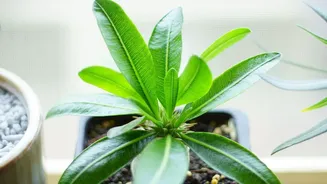
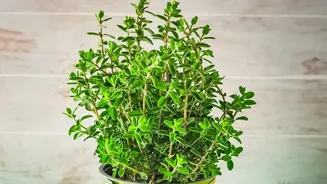
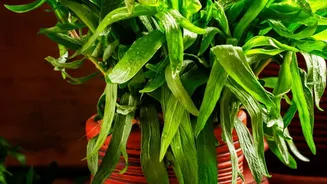
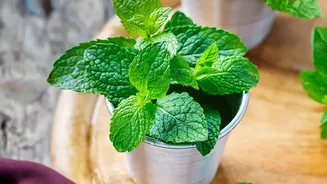
Starting can feel daunting, but many herbs thrive in Indian apartment conditions with minimal fuss. Here are five easy-to-grow herbs perfect for beginners: 1. Tulsi (Holy Basil): A staple in many Indian homes, Tulsi is revered for its medicinal properties and is incredibly easy to maintain. It thrives in pots and requires regular sunlight and watering. 2. Mint (Pudina): This herb grows vigorously and is one of the easiest to cultivate. It spreads quickly, so a dedicated pot is recommended. It does well with partial sunshine and needs frequent watering, especially in summer. 3. Coriander (Dhania): No Indian kitchen is complete without it. Growing coriander can be slightly tricky as it needs moist soil and prefers partial sunlight, but the reward of fresh leaves for garnishing is well worth it. 4. Curry Leaves (Kadi Patta): Essential for tempering dishes, this plant is a must-have. It grows into a small shrub and loves a sunny spot. A single plant can provide a steady supply of aromatic leaves for your daily cooking. 5. Lemongrass: Perfect for adding a zesty, citrusy flavour to teas and Asian dishes. It's a hardy plant that grows well in a pot, requires plenty of sun, and is known for its refreshing aroma.
Setting Up For Success
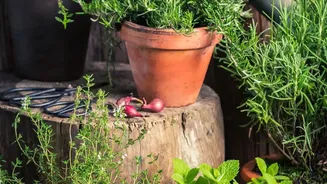
You don't need a sprawling garden to get started; a sunny window or a small balcony is enough. Most herbs need about 4-6 hours of sunlight daily, so south or west-facing balconies are often ideal. Choose containers with good drainage holes—terracotta pots are great as they help regulate moisture, but grow bags are also an excellent lightweight option. Don't use soil from the outdoors, which can be too dense and contain pests. Instead, use a well-draining potting mix, often a combination of soil, coco-peat, and compost, which is readily available at local nurseries. Remember to start small with just a few plants to build your confidence.
Common Pitfalls And How to Avoid Them
One of the most common mistakes for beginners is overwatering. Always check if the top inch of the soil is dry before watering again. It's better to water deeply but less frequently. Ensure your pots have drainage holes to prevent water from stagnating, which can lead to root rot. Insufficient sunlight is another issue. If your plants look stretched and pale, they might need a brighter spot. Finally, don't overcrowd your pots. Give each plant enough space to breathe and grow. By paying attention to these simple details, you can ensure your mini-garden stays healthy and productive.