







The Rise of the Blue Checkmark
In an effort to combat fake profiles, job scams, and the general spread of misinformation facilitated by AI, LinkedIn has introduced verification features. You may have noticed a small shield or checkmark icon next to a person's name, on a company page,
or even on a job posting. The goal is to make it easier for users to be confident that the people and companies they interact with are authentic. For users, getting verified can lead to a significant boost in visibility, with LinkedIn data showing verified accounts receive more profile views and engagement. It’s a free tool designed to add a layer of credibility in a digital world where it's become easier than ever to fake a professional identity.
How Verification Actually Works
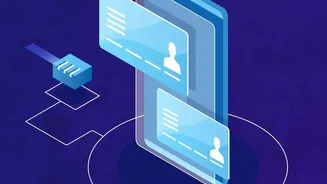
LinkedIn offers a few different paths to verification. For individual users, the most common methods are identity and workplace verification. Identity verification confirms you are who you say you are by checking a government-issued ID. In India, this is often done using your Aadhaar number through partners like HyperVerge and the DigiLocker platform. You'll typically need to take a photo of your ID and a quick selfie to prove it's you. Workplace verification proves you currently work where you say you do. This is usually done by entering a code sent to your official company email address. More recently, LinkedIn has also introduced a peer-backed system where verified colleagues can vouch for your work history.
What the Badge Guarantees
So, what does that coveted badge actually prove? At its core, it confirms a very specific set of facts. An identity verification badge means that the name on the profile matches the name on a legitimate government ID. A workplace verification badge confirms that the user has access to an email account at the company they list as their current employer. The new peer-endorsement system adds a layer of social proof, showing that connections are willing to confirm you worked or studied together. In short, verification is an excellent tool for confirming a person's identity and their current affiliation with a company. It's a strong signal that you are not dealing with a completely fabricated profile or an imposter.
The Gaps: What Verification Does Not Check
This is the most critical part to understand: a LinkedIn verification badge is not a comprehensive background check. The badge does not validate a person's entire work history, their specific job titles, educational qualifications, or claimed skills. Someone can have a verified identity but still list an inflated job title or exaggerate their responsibilities. The system only verifies the current employer via email, not past roles. Furthermore, it does not check for criminal records or any other red flags that a formal background screening would uncover. While LinkedIn gives company page administrators tools to remove people who falsely claim to work there, the system is not foolproof and relies on active monitoring.
A Tool for Trust, Not a Replacement for Due Diligence
Think of LinkedIn's verification as a foundational first step in building trust, not the final word. For job seekers, getting verified is a smart move to enhance your profile's credibility. For recruiters and hiring managers, seeing a verification badge is a positive sign that can help you weed out obvious fakes and scams early in the process. However, it should never replace your company's standard due diligence and background check procedures. Always verify educational credentials, speak with references, and conduct a proper background screening before making a hiring decision. The badge confirms identity, but it doesn't confirm character, experience, or honesty.