


The Dawn of a New Mission Control
At the recent Space Mission Operations (SMOPS-2026) conference in Bengaluru, the Indian Space Research Organisation (ISRO) brought global experts together to discuss the future of managing space missions. A central theme was the critical shift from manual,
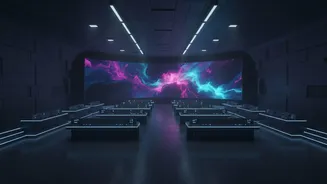
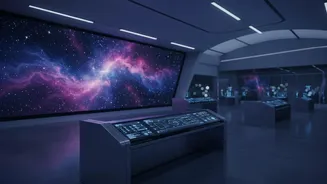
human-led operations to highly automated systems powered by artificial intelligence. Traditionally, mission control involves hundreds of engineers monitoring thousands of data streams from a spacecraft, ready to intervene at a moment's notice. This model has served ISRO well, leading to historic successes like Chandrayaan-3 and Mangalyaan. However, with plans for more frequent launches, complex satellite constellations, and long-duration interplanetary journeys, this approach is becoming a bottleneck. Automation isn't about replacing humans, but about empowering them. By letting AI handle routine health checks, trajectory calculations, and anomaly detection, it frees up brilliant minds to focus on strategy, innovation, and handling unforeseen, complex challenges that only human ingenuity can solve.
Why Automation is No Longer Optional
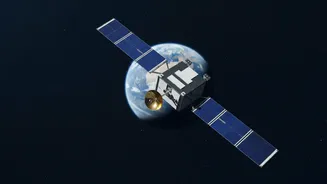
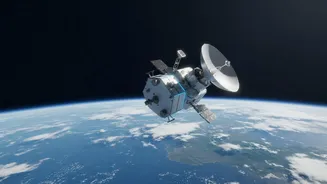
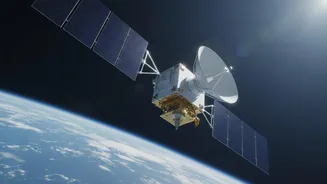
The sheer scale of India's upcoming space projects makes automation a necessity, not a luxury. ISRO is targeting a dramatic increase in launch frequency and is developing the Gaganyaan mission for human spaceflight, a future Indian space station, and ambitious follow-ups to the Moon and Mars. Manually managing a single complex mission is demanding; managing dozens simultaneously is practically impossible with the old model. The SMOPS conference highlighted that AI and machine learning are essential for managing large satellite constellations, where hundreds of satellites must operate in perfect concert. Furthermore, for deep space missions to Venus or beyond, the communication lag between Earth and the spacecraft can be hours. In such scenarios, waiting for instructions from Earth isn't an option. The spacecraft must be able to make its own intelligent decisions in real-time, from navigating around debris to diagnosing its own technical issues, a capability that only advanced AI can provide.
Powering Gaganyaan and Enhancing Safety
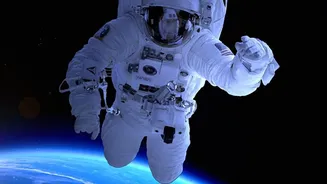
Nowhere is the need for automation more critical than in human spaceflight. For the Gaganyaan mission, the safety of the astronauts is the absolute highest priority. An automated system can monitor life support, vehicle health, and environmental parameters with a vigilance and speed that humans cannot match. AI algorithms can detect subtle signs of a potential problem long before it becomes a crisis, providing an extra layer of security for the crew. During the inaugural address at SMOPS-2026, ISRO's chairman emphasized that flawless execution is paramount for mission success, especially with human lives at stake. Automated systems can act as a tireless co-pilot, constantly running diagnostics and simulations to ensure every system is performing optimally. This allows the human crew and ground control to focus on the broader mission objectives, confident that the underlying systems are being watched over by a powerful and reliable AI.
The Road Ahead: Challenges and Collaboration
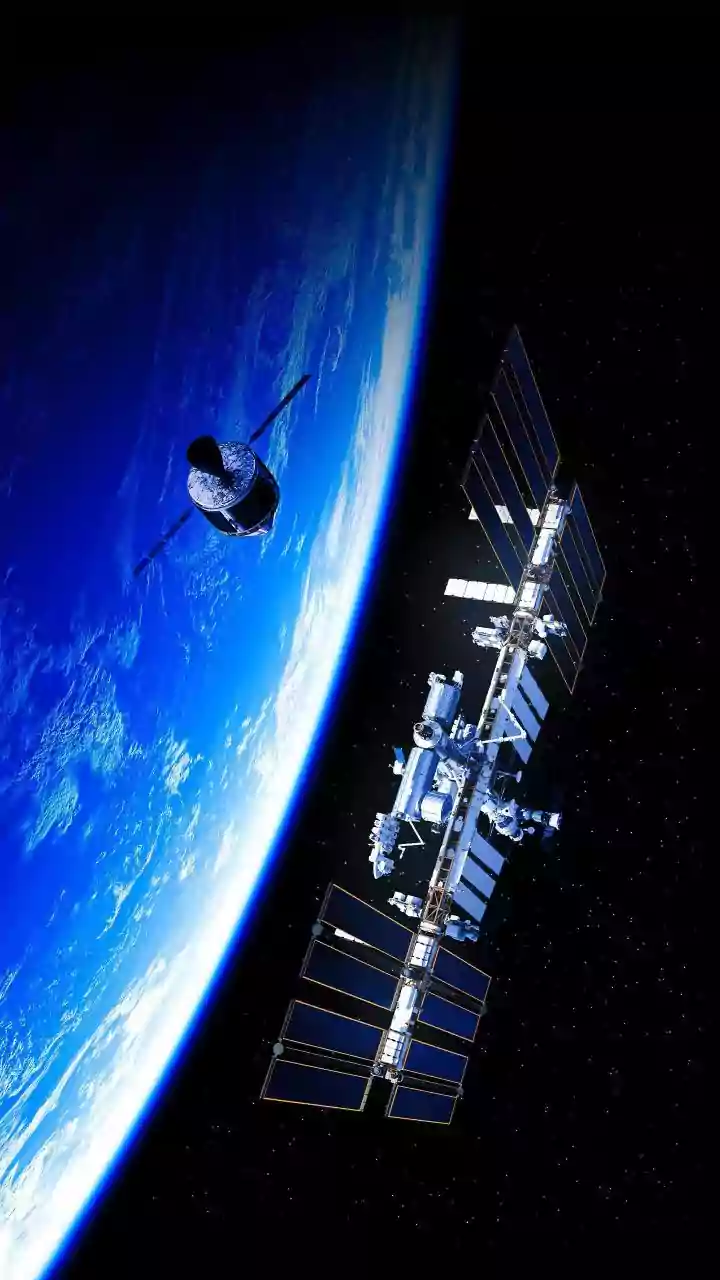
Implementing a fully automated mission control is a monumental task. It requires developing highly reliable software, training AI models on vast amounts of historical mission data, and ensuring cybersecurity is robust enough to prevent any malicious interference. The SMOPS conference served as a vital platform for fostering the collaboration needed to overcome these hurdles. By bringing together experts from ISRO, international agencies like NASA and ESA, and the burgeoning private space industry, the event helps create a shared pool of knowledge. Discussions revolved around standardizing protocols, sharing data on space debris for better collision avoidance, and creating an ecosystem where startups can contribute innovative AI solutions. This collaborative approach is key to building the next generation of mission management that is not only smart and efficient but also safe and sustainable for all players in the increasingly crowded domain of space.