





What Exactly Is In Delhi's Smog?
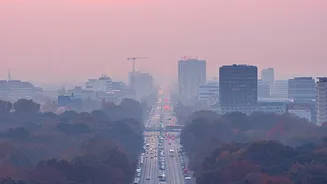
Delhi's smog is a toxic cocktail of pollutants. The most dangerous component is PM2.5—fine particulate matter 30 times smaller than a human hair. These particles, originating from vehicle exhaust, industrial emissions, construction dust, and stubble burning,
are small enough to penetrate deep into your lungs and enter your bloodstream. This triggers inflammation throughout the respiratory tract, leading to symptoms like a persistent cough, breathlessness, and that familiar sore, scratchy throat. Other harmful gases like nitrogen dioxide, often from traffic, also spike during smog events, further irritating your airways. On November 11, 2026, Delhi's air quality was recorded in the 'very poor' category, with an AQI of 303, following a period where it had reached 'severe' levels at many monitoring stations.
How to Protect Yourself Outdoors
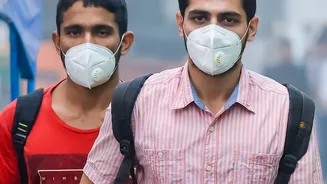
When stepping outside is unavoidable, your first line of defence is a high-quality mask. Standard cloth or surgical masks are not effective against PM2.5. Opt for a well-fitted N95 or N99 mask, which can filter out the vast majority of these fine particles. It is crucial to ensure there are no gaps around your nose and mouth. Timing your outdoor activities can also make a significant difference. Pollution levels are often highest in the early morning and late evening, so try to schedule errands for the afternoon when the sun is out. Check the daily Air Quality Index (AQI) on official government apps or websites before you leave home. During 'very poor' or 'severe' days, it is strongly advised to avoid all non-essential outdoor activities, especially strenuous exercise like running or cycling.
Creating a Safe Haven at Home
Your home should be a refuge from the polluted air outside. Keep windows and doors closed, particularly during peak pollution hours. To improve indoor air, consider investing in an air purifier with a High-Efficiency Particulate Air (HEPA) filter, which is designed to capture tiny pollutants like PM2.5. Place the purifier in the room where you spend the most time, such as your bedroom. Simple housekeeping practices can also help. Instead of dry sweeping, which kicks dust back into the air, opt for wet mopping. Avoid burning anything indoors, including incense sticks and candles, as this adds to indoor air pollution.
Soothing an Irritated Throat
If you are already experiencing throat irritation, several home remedies can provide relief. Staying hydrated is key; drink plenty of warm water throughout the day to keep your throat moist and help soothe inflammation. Gargling with warm salt water a few times a day can also reduce discomfort and help clear irritants. Traditional Indian remedies like sipping on tea made with ginger, tulsi, or a little honey can be very effective. Honey has natural anti-inflammatory properties, while ginger helps clear phlegm. Avoid spicy and oily foods, as they can further aggravate an already sensitive throat. If your symptoms are severe or persist, it is important to consult a doctor.
Boosting Your Body's Defences
While avoiding pollution is the primary goal, you can also support your body's ability to cope with environmental stress. Incorporating antioxidant-rich foods into your diet can help combat the inflammation caused by pollutants. Focus on eating plenty of fruits and vegetables, particularly those rich in Vitamin C like oranges and amla. Foods containing omega-3 fatty acids, such as walnuts and flaxseeds, are also beneficial. Traditional preparations like turmeric milk (haldi doodh) can offer anti-inflammatory benefits. Protecting vulnerable members of the family, such as children, the elderly, and those with pre-existing respiratory conditions, is especially critical. Ensure they remain indoors as much as possible on high-pollution days.