


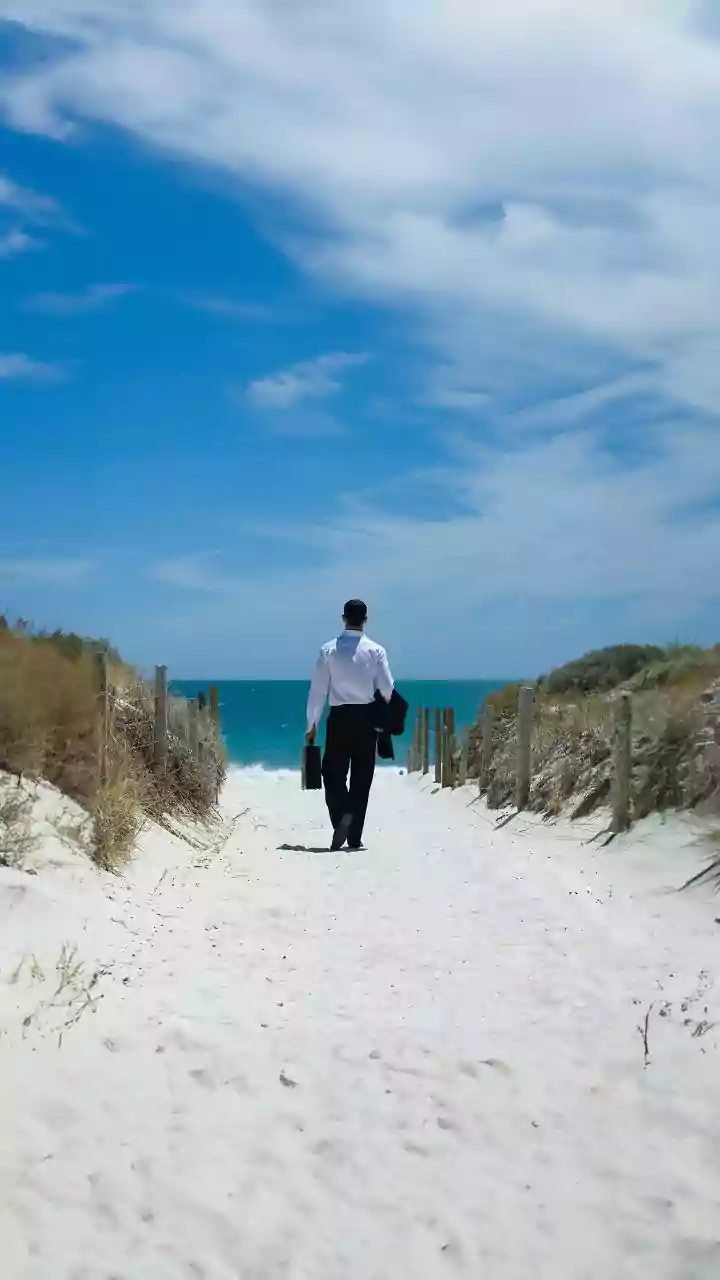




The Rise of the Workcation
The concept of 'bleisure'—combining business travel with leisure—has exploded in popularity. The appeal is obvious: it’s a chance to explore a new city, decompress after meetings, and make the most of a company-funded flight. For many, especially after years
of remote work, it feels like a strategic way to achieve a better work-life balance and enrich their travel experiences. Companies, too, have often encouraged the trend, seeing it as a low-cost perk that can boost job satisfaction and employee retention. The idea is that an employee who takes a few days to relax after a conference will return more refreshed and creative. But this optimistic view often overlooks the practical and psychological challenges that arise when the boundaries between work and rest become too faint.
The Myth of 'Switching Off'
One of the biggest downsides of bleisure travel is the difficulty of truly disconnecting. When your vacation is just an extension of a work trip, your brain may struggle to transition from 'work mode' to 'leisure mode'. The psychological line is blurred. You might find yourself checking emails by the pool or taking one more 'quick call' from your scenic hotel balcony. This 'always-on' mentality can lead to what experts call adrenal fatigue, where your nervous system never gets a chance to settle. This constant, low-level stress prevents true relaxation, defeating the very purpose of taking a break. Instead of returning recharged, many find themselves emotionally exhausted from trying to be fully present in both their work and their free time simultaneously.
A Tangle of Tax and Legal Rules
Extending a business trip for personal reasons can create significant administrative headaches. From a tax perspective, the rules can be complex. While the cost of your flight may be deductible if the primary purpose of the trip is business, your lodging and meals on personal days are not. The IRS determines the trip's primary purpose by looking at the proportion of time spent on business versus personal activities. The rules get even stricter for international travel, where you may have to allocate expenses on a day-by-day basis. Beyond taxes, there are potential legal and immigration risks. A short 'workation' in another country can sometimes trigger local labor laws or create visa complications. Many employees and even employers are unaware of these risks until it's too late.
The Insurance and Liability Gap
A critical question many bleisure travelers fail to ask is: who is responsible if something goes wrong on my 'leisure' days? A company's duty of care and its insurance coverage, such as workers' compensation, typically apply only during the business portion of the trip. If you slip and fall while sightseeing on a personal day, you might find yourself navigating a foreign healthcare system without company support or coverage. These grey areas create liability risks for both the employee and the employer. Many companies lack clear policies on bleisure travel, leaving employees to make assumptions about what is covered. This lack of clarity can lead to significant financial and personal risk if an accident or emergency occurs during the personal segment of the trip.
The Unexpected Path to Burnout
Ironically, the attempt to create a better work-life balance through bleisure can sometimes lead directly to burnout. The pressure to maximize both the work assignment and the leisure opportunity can be immense. Instead of a relaxing break, the trip becomes a tightly packed schedule of meetings, networking, sightseeing, and cultural experiences. This can be more draining than a dedicated work trip or a pure vacation. Studies have shown that frequent travel, even when combined with leisure, is linked to increased stress, anxiety, and sleep problems. The constant disruption of routines, coupled with the pressure to perform at work and play, can leave you feeling more exhausted than when you left.