






What is FSSAI's Proposed Change?
The Food Safety and Standards Authority of India (FSSAI) has introduced a draft amendment that aims to clarify what can and cannot be sold as 'paneer'. The proposal, published in late September 2026, seeks to prohibit products made from non-dairy ingredients
from using the word 'paneer' on their labels or in their marketing. This move is designed to stop companies from selling look-alike products, known as 'dairy analogues', under the name of the traditional milk-based product, which the FSSAI believes misleads customers about the food's true composition. If the rule is finalized, even products currently licensed as 'Analogue in Dairy Context' will have to drop 'paneer' from their name.
Real Paneer vs. 'Analogue' Paneer
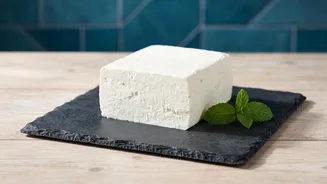
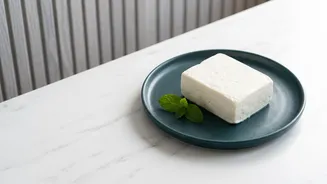
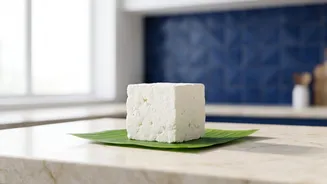
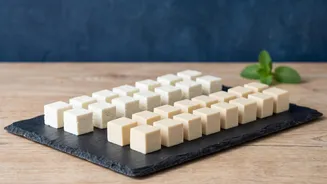
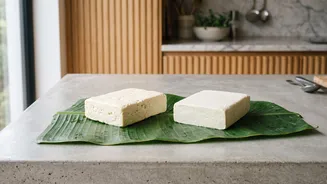
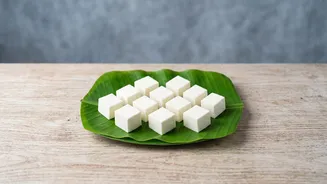
So, what's the difference? According to FSSAI standards, traditional paneer is a fresh cheese made by curdling milk—from a cow or buffalo—with a food acid like lemon juice or vinegar. Its core ingredients are milk and milk solids. 'Analogue paneer', on the other hand, is a substitute where milk fat and milk protein are partially or completely replaced by non-dairy ingredients. These often include cheaper components like vegetable oils (such as palm oil), starches, plant proteins, and various emulsifiers and stabilisers. While it's designed to mimic the appearance, texture, and function of real paneer, its nutritional profile can be very different.
Why the Crackdown is Happening Now
This regulatory push isn't happening in a vacuum. It follows growing concerns over food adulteration and misleading practices. Several states, including Maharashtra, Gujarat, and Karnataka, have already taken action, banning or restricting the sale of analogue paneer within their borders after finding products being misrepresented. The FSSAI's proposed national regulation aims to create a uniform standard across the country, removing any grey areas. The core issue isn't that analogue products are inherently unsafe, but that they are often sold as the real thing, depriving consumers of making an informed choice. It's also a matter of protecting dairy farmers from unfair competition from cheaper, imitation products.
What This Means for Your Grocery Shopping
The ultimate goal of this FSSAI move is to empower you, the consumer. Clear and honest labelling means you will know exactly what you are buying. Traditional paneer is a valuable source of high-quality milk protein and calcium. An analogue product may have lower protein content and a different fat profile, which can impact your nutritional intake, especially for vegetarians who rely on paneer as a key protein source. The new rules would mean that when you pick up a package labelled 'paneer', you can be confident it's made from milk. The non-dairy alternatives won't disappear, but they will have to be sold under a different, more accurate name.
The Impact on Restaurants and Food Services
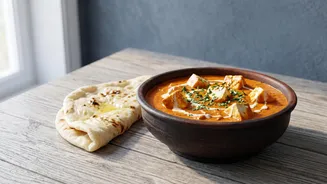
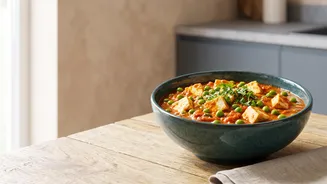
The proposed regulations extend beyond supermarket shelves. Hotels, restaurants, and catering services that use cheaper analogue products will also be affected. FSSAI has indicated that these establishments must be transparent with their customers. This could mean updating menu descriptions to clarify when a dish is made with a dairy analogue instead of real paneer. This ensures that when you order a paneer tikka or shahi paneer, you are getting what you paid for, protecting both your wallet and your right to know what's on your plate.