



What is Matcha, Really?
Before it becomes the star of your smoothie, matcha begins its life as a specific type of green tea plant, Camellia sinensis. Grown in the shade for several weeks before harvest, this process boosts its chlorophyll and amino acid content, giving it a vibrant
green colour and a complex flavour. Unlike regular green tea where you steep and discard the leaves, with matcha you consume the entire leaf, which has been finely ground into a powder. This means you get a more concentrated dose of the leaf's nutrients and flavour, which is often described as earthy, slightly sweet, and with a distinctive 'umami' or savoury finish.
A Green Powerhouse of Benefits
That brilliant green powder is loaded with compounds that can support your well-being. Matcha is rich in antioxidants called catechins, particularly EGCG, which are known to help protect your cells from damage. It also contains an amino acid called L-theanine. The combination of L-theanine and the natural caffeine in matcha is prized for providing a state of 'calm alertness'—a gentle, sustained energy boost without the jitters or crash sometimes associated with coffee. Some studies also suggest these compounds may have benefits for heart health and brain function.
Choosing the Right Matcha for Your Smoothie
Walking down the tea aisle, you’ll likely see two main grades of matcha: ceremonial and culinary. Ceremonial grade is the highest quality, made from the youngest tea leaves, and is intended to be enjoyed on its own with just water. It has a delicate, nuanced flavour. Culinary grade, on the other hand, is made from slightly more mature leaves, giving it a bolder, more robust, and slightly more bitter flavour that is designed to stand up to other ingredients. For smoothies, culinary grade is the smart and more budget-friendly choice, as its strong flavour won't get lost when blended with fruits, milk, and other additions.
The Secret to a Thicker, Creamier Smoothie
The luxurious, thick texture is a huge part of a matcha smoothie's appeal. The easiest way to achieve this is by using frozen fruit as your base. A frozen banana is a classic choice, lending both natural sweetness and an incredibly creamy consistency. For an even richer texture, consider adding a quarter of an avocado, which provides healthy fats and makes the smoothie velvety smooth. Other excellent thickeners include a scoop of Greek yoghurt for a protein boost, a tablespoon of chia seeds or flax seeds which absorb liquid and swell, or even a handful of rolled oats.
Building Your Perfect Flavour Profile
Once you have your thick, creamy base, it's time to play with flavours. Matcha's earthy notes pair wonderfully with a variety of ingredients. For a touch of warmth and sweetness, vanilla extract is a perfect complement. Fruits like mango, pineapple, and berries such as strawberries or raspberries can add a sweet and tart contrast that brightens the entire drink. If you want to sneak in more greens, a handful of spinach is virtually tasteless in a smoothie but adds extra nutrients. For sweetness, a pitted date or a drizzle of honey or maple syrup can balance any bitterness from the matcha.
A Simple Matcha Smoothie Recipe to Start
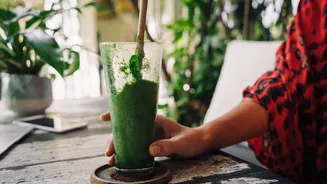
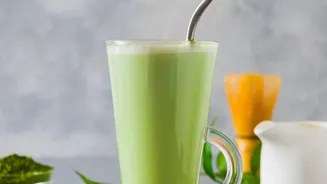
Ready to blend? Here’s a simple, foundational recipe you can build upon. In a blender, combine one frozen banana, one cup of your preferred milk (almond and oat work well), one teaspoon of culinary-grade matcha powder, and a handful of ice. Blend until everything is completely smooth. Give it a taste. If you'd like it sweeter, add a small amount of honey or maple syrup. For a stronger matcha flavour, add another quarter teaspoon of powder. Feel free to add a tablespoon of almond butter for nutty depth or a scoop of protein powder to make it more filling.