









The Dream of Flight for Everyone
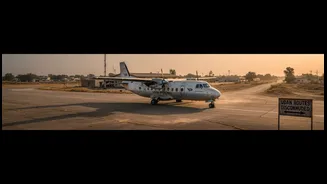
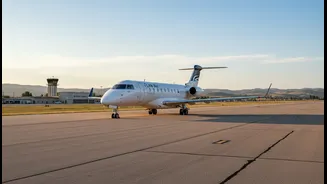
Launched in 2016, the Ude Desh ka Aam Nagrik (UDAN) scheme was a game-changer. Its goal was to make flying affordable and accessible, connecting Tier-2 and Tier-3 cities that were often left off the aviation map. The plan involved reviving unused or under-utilised
airstrips and incentivising airlines to fly on these routes. The government offered Viability Gap Funding (VGF) — a subsidy to cover potential losses — to airlines that agreed to cap fares on a certain number of seats. For a time, it worked wonders, expanding India's airport network and allowing millions of new passengers to experience air travel for the first time.
A Reality Check at the Runway
Despite its ambitious start, the UDAN scheme is facing significant challenges. As of early 2026, roughly half of the routes launched since 2017 are no longer operational. Government data shows that of the 669 routes made operational, only 336 were active as of July 2026. The primary reason is commercial viability. Many routes struggle to attract enough passengers to be profitable once the initial three-year subsidy period ends. Airlines, facing their own financial pressures and operational costs, have found it difficult to sustain services without continued government support.
The Ripple Effect of Grounded Flights
The discontinuation of routes is more than just an inconvenience; it's a significant setback for the local economies that had just started to benefit from air connectivity. For towns like Bidar and Kalaburagi in Karnataka, flights stopped once the subsidy period was exhausted. This impacts local businesses, tourism, and access to essential services like healthcare and education. Students, professionals, and patients who had come to rely on quick and affordable travel are now forced back to longer, more arduous journeys by road or rail. It also represents a pause on the promise of national integration and economic development that the scheme initially offered.
Why Are Routes Becoming Unsustainable?
Several factors contribute to the high failure rate of UDAN routes. Low passenger demand is the most cited reason, making routes commercially unviable for airlines. However, operational issues are also a major hurdle. Some airports, though inaugurated, lack the necessary infrastructure or upgrades to handle regular commercial traffic safely and efficiently. Regulatory bottlenecks and delays in getting airstrips certified have also grounded potential flights. Furthermore, airlines face challenges like a shortage of smaller aircraft suitable for these routes and difficulty in securing profitable landing and take-off slots at major hub airports like Delhi and Mumbai, which are crucial for connecting smaller towns to the national network.
Viksit UDAN: A Second Attempt?
In response to these challenges, the government has not abandoned the scheme but has instead decided to revamp it. In July 2026, the 'Viksit UDAN' program was launched with a massive outlay of nearly ₹29,000 crore over the next ten years. This new phase aims to address the shortcomings of the original plan. Key changes include extending the subsidy period from three to five years to give airlines a longer runway for profitability and a greater focus on developing airport infrastructure, including 200 modern helipads. The plan is to develop 100 existing airstrips into full-fledged airports and promote the use of indigenous aircraft to boost the ecosystem.