

The Sweetness in Question: Unpacking the Carbs
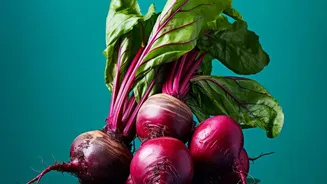
The headline is not wrong; beetroot does contain more natural carbohydrates than many other vegetables. A 100-gram serving of raw beetroot contains about 9.6 grams of carbohydrates. Of this, around 6.8 grams are sugars, primarily simple sugars like glucose
and fructose. For comparison, many leafy greens contain only 2 to 4 grams of carbohydrates per 100 grams. While this might seem high, it's important to remember these are naturally occurring sugars bundled with water, fibre, and a wealth of micronutrients, not the free sugars found in processed foods.
Putting It in Perspective: Beetroot vs. Other Veggies
Context is crucial in nutrition. While beetroot is sweeter than, say, spinach, it is comparable to other root vegetables. For instance, carrots have a similar carbohydrate profile, with about 9.6 grams of carbs per 100 grams. Potatoes, another common root vegetable, are much higher in carbohydrates due to their starch content. A key distinction is that table beets (the red ones we eat) are nutritionally different from sugar beets, which are white and specifically cultivated for sugar extraction. So, while they are related, eating a beetroot is not like eating a spoonful of sugar.
Glycemic Index: A Tale of Two Numbers
One concern with sugary foods is their effect on blood sugar. This is measured by the glycemic index (GI). Here, beetroot presents a fascinating case. Cooked beetroot has a medium GI of around 64, which suggests a moderate impact on blood sugar. However, the glycemic load (GL), which accounts for the actual amount of carbs in a typical serving, is very low, at around 5. This low glycemic load means that in normal portion sizes, beetroot does not cause a significant blood sugar spike. The fibre in beetroot also helps to slow down the absorption of sugar, further regulating its impact.
Beyond the Sugar: A Nutrient Powerhouse
Focusing solely on sugar would mean missing out on beetroot's incredible health benefits. It is packed with essential nutrients, including fibre, folate (vitamin B9), manganese, potassium, iron, and vitamin C. The most celebrated compounds in beets are inorganic nitrates. The body converts these nitrates into nitric oxide, a molecule that helps relax and widen blood vessels. This process can lead to lower blood pressure, improved blood flow, and enhanced athletic performance by increasing oxygen delivery to muscles.
The Power of Pigment
Beetroot's deep red colour comes from potent antioxidants called betalains. These compounds help fight oxidative stress and inflammation in the body, which are linked to chronic diseases like heart disease and cancer. Some studies suggest beetroots may support brain health, improve digestion through their fibre content, and aid the liver's natural detoxification processes. The leafy green tops, often discarded, are also edible and rich in nutrients like vitamins A and C.
A Note for Those with Diabetes
Given the carbohydrate content, people with diabetes should be mindful of portion sizes. However, beets are generally considered safe and even beneficial. Some studies suggest that the alpha-lipoic acid, an antioxidant in beets, may help lower glucose levels and improve insulin sensitivity. The fibre and nitrate content can also support cardiovascular health, which is a key concern for individuals with diabetes. As with any dietary change, testing blood sugar levels after consumption can provide personalized insight.