




Mastering The Dough: It Starts With Moisture
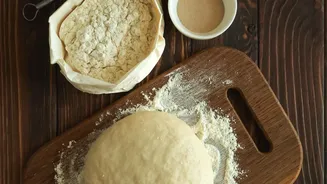
The foundation of a great poori is a dough with the right consistency. Unlike roti dough, which is soft and pliable, poori dough must be firm and stiff. This is the first and most critical step. If the dough is too soft or wet, it will absorb excess oil
during frying, leading to greasy, heavy pooris that refuse to puff. The goal is to create a dough that is stiffer than chapati dough but not so hard that it cracks. Start with whole wheat flour (atta), salt, and perhaps a teaspoon of oil or ghee for flavour. Gradually add water, mixing until a firm dough forms. If you press a finger into it, the indentation should remain lightly, not spring back completely. Once kneaded, let the dough rest for a short period—about 10 to 20 minutes is ideal. This brief rest allows the gluten to relax, making the dough easier to roll without becoming chewy, but don't rest it for too long. An over-rested dough can become loose and absorb more oil.
The Art of Even Rolling
How you roll the dough is just as important as how you make it. The key to a poori that puffs evenly is uniform thickness. If a poori is rolled too thin, it may become crisp like a papad and won't have enough structure to puff up. If it's too thick, it may remain doughy and uncooked on the inside. Aim for a thickness of about 1-2 millimetres. A common mistake is to use dry flour for dusting the dough balls before rolling, as you would for chapatis. These flour particles can burn in the hot oil, leaving behind unpleasant burnt bits that make the oil dirty and affect the taste. The better method is to lightly grease the dough balls and the rolling surface with a few drops of oil. This prevents sticking and ensures the frying oil stays clean. Roll from the centre outwards, applying gentle, even pressure to create a smooth, circular disc without overly thin edges.
The Final Hurdle: Hot Oil, The Right Way
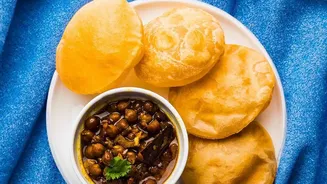
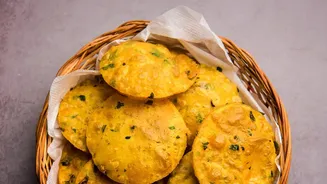
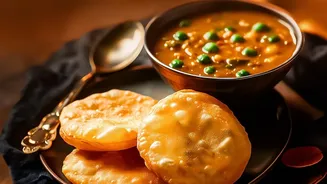
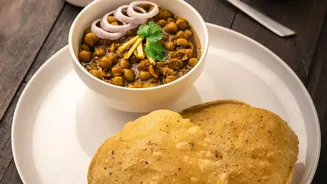
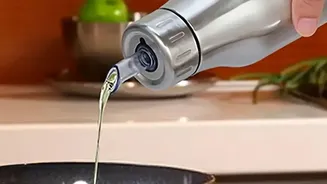
The temperature of the oil is the final secret to unlocking a perfectly puffed poori. The oil must be hot, but not smoking. The ideal temperature range is between 175°C and 190°C (350°F and 375°F). If the oil is not hot enough, the poori will sit in it for too long, absorb a lot of oil, and emerge flat and greasy. If the oil is too hot, the exterior will brown and burn too quickly, leaving the inside raw. To test the temperature without a thermometer, drop a tiny piece of dough into the kadhai. If it sizzles and rises to the surface immediately, the oil is ready. When you slide the rolled poori into the oil, it should also float to the top within seconds. As it surfaces, use a slotted spoon to gently press down on it. This gentle pressure helps trap steam inside, which is what causes the poori to inflate like a balloon. Once it puffs, flip it over and fry for another 20 to 30 seconds until it is golden brown on both sides, then remove and drain on a paper towel.