




A Story of Ambition and Rivalry
The story begins in the mid-1960s with two giants of the automotive world: the fiery Argentinian-Italian builder Alejandro de Tomaso and the legendary American racer and constructor Carroll Shelby. Shelby needed a new race car to compete in the burgeoning
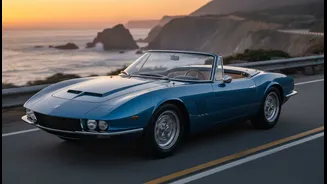
USRRC series and turned to his friend de Tomaso for a solution. The plan was to create the P70, a prototype racer powered by a massive 7.0-litre engine. Designer Peter Brock was brought in to style the car, resulting in a stunningly beautiful and aerodynamic shape. However, the project was plagued by delays and personality clashes between the two titans, and Shelby ultimately pulled out to focus on Ford's GT40 program, leaving the P70 as a magnificent but unfinished 'what if'.
Rebirth of a Legend: The P72
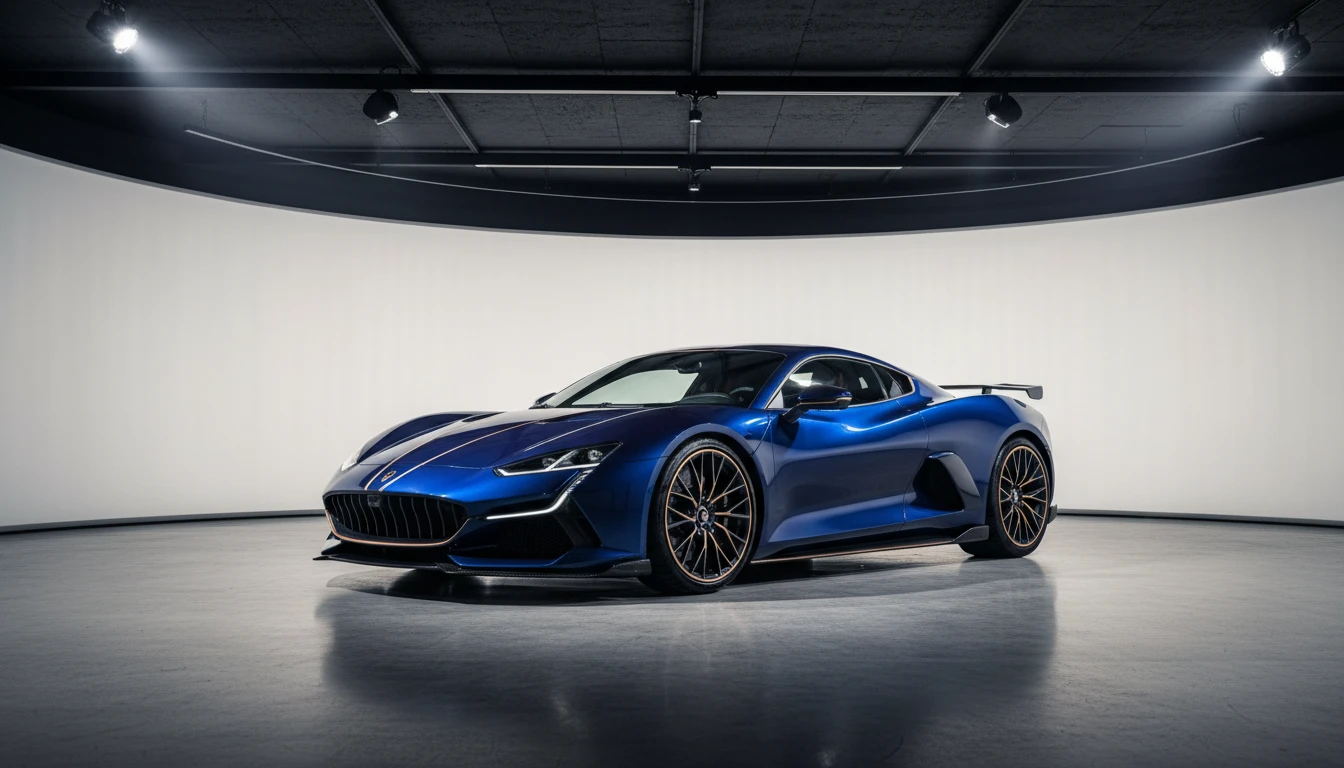
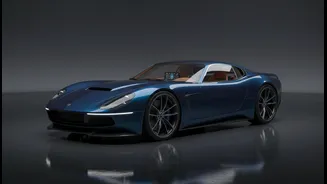
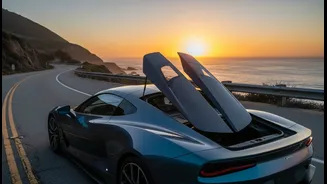
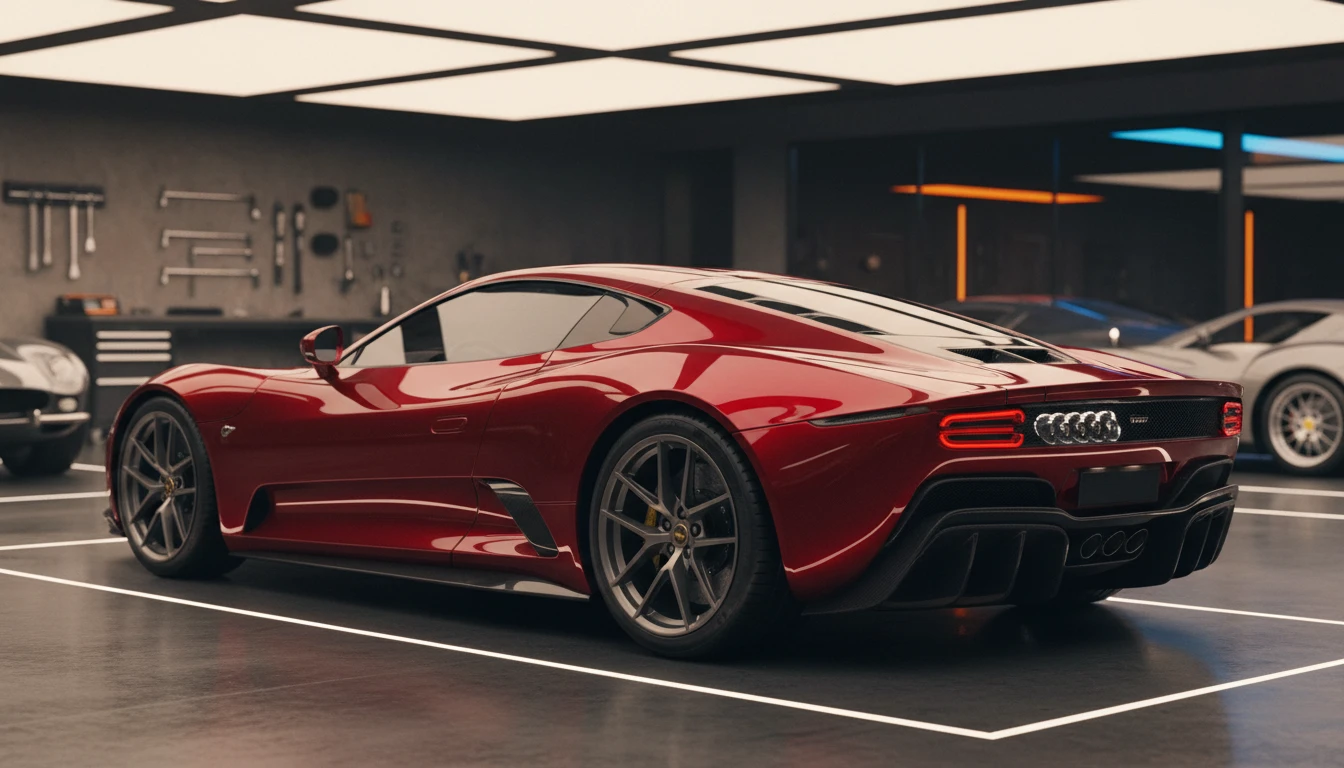
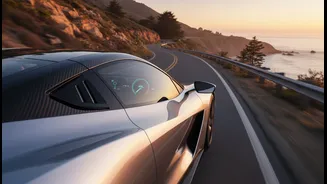
Decades later, the De Tomaso brand was revived by Hong Kong-based Ideal Team Ventures, the same company behind the Apollo hypercar. Their first major project was a direct homage to that unfinished 1960s dream: the De Tomaso P72. First unveiled as a concept in 2019 and now entering production, the P72 resurrects the soul and jaw-dropping shape of the original P70. It’s a deliberate move away from the aggressive, angular hypercars of today, focusing instead on the elegance and romance of mid-century design. With production strictly limited to just 72 units worldwide, the P72 is a rare jewel designed for collectors who crave analogue beauty in a digital age.
Modern Muscle in a Classic Shell
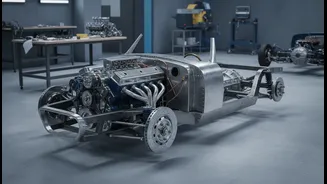
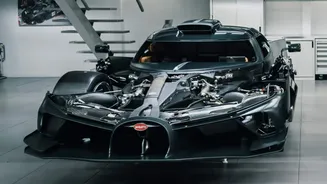
Beneath the carbon fibre bodywork lies a modern engineering marvel. The P72 is built on the advanced carbon monocoque chassis of the Apollo Intensa Emozione. And while the headline hints at complex electrification, the reality is a purer, more traditional form of power. The "fuel injection" refers to its modern engine, a hand-assembled 5.0-litre Ford Coyote V8, which has been extensively modified and supercharged by American tuning specialist Roush. This powerhouse produces over 700 horsepower and sends its power to the rear wheels through a custom six-speed manual gearbox, complete with a beautifully exposed linkage in the cabin. The "charging ports" are a nod to modern convenience—USB ports for your devices—rather than an electric powertrain, cementing the P72's status as an analogue machine built for today's world.
An Analogue Experience in a Digital World
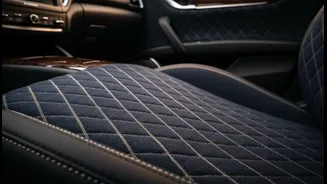
The philosophy behind the P72 is a celebration of driver engagement. There are no complex drive modes or large infotainment screens inside. Instead, the driver is greeted by a cabin filled with polished metals, fine leather, and a set of classic, needle-based dials with a rose gold finish. The company’s stated goal was not to chase the highest top speed or the fastest lap time, but to create an emotional, responsive, and rewarding driving experience. The car is designed to be a 'modern-day time machine,' giving its owner the feeling of driving a classic 1960s racer but with the reliability and performance of a brand-new supercar. It's a statement against the trend of cars becoming more like computers and a vote for the irreplaceable connection between driver, machine, and the open road.