

A Sweet Taste of Home in Orbit
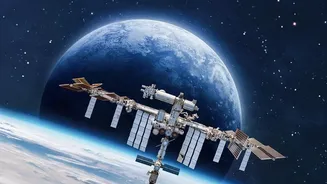
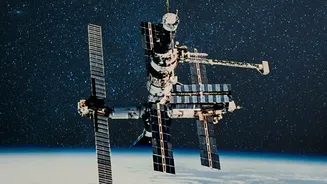
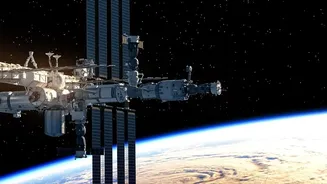
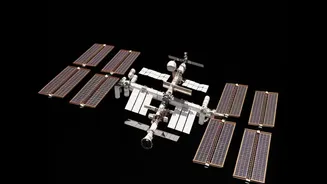
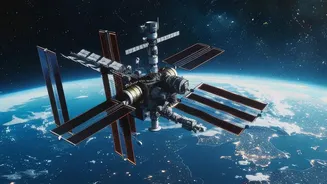
In June 2025, when Indian Air Force Group Captain Shubhanshu Shukla journeyed to the International Space Station (ISS) as part of the Axiom-4 mission, he didn't go alone. Packed alongside complex scientific equipment were pouches of familiar Indian food,
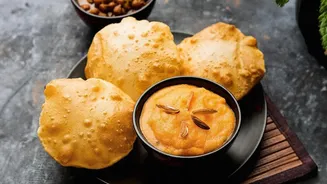
including Aamras (mango pulp), Gajar ka Halwa, and Moong Dal Halwa. These dishes were specially developed by the Defence Food Research Laboratory (DFRL) in Mysuru, which has been creating meals for India's own ambitious Gaganyaan mission. The goal was to certify as many Indian dishes as possible for spaceflight, giving astronauts a crucial taste of home. While Shukla ended up sharing the treats with his international crewmates, who reportedly loved them, the presence of these dishes in orbit was a significant milestone.
The Cosmic Culinary Gauntlet
Getting food to the ISS is not as simple as packing a lunchbox. Every item must pass a series of rigorous tests that many delicious dishes simply cannot survive. The first hurdle is microgravity. Crumbs are a serious hazard in space, as they can float into sensitive equipment or an astronaut's eyes. This is why bread is banned, and astronauts use tortillas instead. For the same reason, granular spices like salt and pepper are replaced with liquid versions. Food must also have a very long shelf life—often up to two years—without refrigeration, which rules out fresh dairy like milk and cheese. Preservation methods like freeze-drying and thermostabilization (heat sterilization) are common, but they can drastically alter the texture and taste of complex dishes.
Why Savoury Dishes Posed a Challenge
While DFRL prepared an extensive menu that included favourites like khichdi and veg pulao, they did not make the final cut for the Axiom-4 mission due to the limited time available for the stringent qualification process. Dishes with complex textures, multiple components, or a reliance on specific spices face a tougher path to certification. For example, a dry curry or a rice dish could potentially create dangerous crumbs or not rehydrate properly in space. Even strong odours can be a problem, as scents don't dissipate easily in the confined, recycled air of the ISS. While ISRO and DFRL have successfully developed space-friendly versions of idli, vegetable biryani, and even chicken curry for the future Gaganyaan mission, the process is meticulous. The success of simpler, more homogenous foods like aamras and halwa, which are essentially smooth pulps or pastes, highlights the path of least resistance in space food science.
More Than Just Calories
Beyond the technical specifications, food serves a vital psychological role for astronauts. Living and working in a high-stress, isolated environment far from home, familiar meals provide comfort and a crucial link to one's culture. Astronauts often report 'menu fatigue' and a craving for more flavourful or specific tastes. After his mission, Shukla mentioned craving salty and spicy flavours, and was greeted with banana chips and bhakarwadi upon his return. This emotional connection is why space agencies like NASA and the European Space Agency allow astronauts to have a selection of 'bonus foods' from their home countries. These meals boost morale and help maintain a sense of normalcy. The effort to get Aamras to the ISS wasn't just about nutrition; it was about sending a piece of home to the stars.