







What Exactly Is a Peppermint Compress?
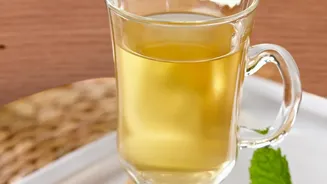
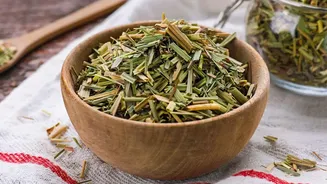
In the world of home remedies, a peppermint compress is a simple preparation. It typically involves soaking a clean cloth in a warm or cool infusion of peppermint tea—made by steeping peppermint leaves in hot water—and applying it to the skin. People
use these compresses on their foreheads for headaches, on their chests for congestion, or on sore muscles, hoping for relief. The practice is rooted in traditional medicine, where peppermint has been used for centuries for its perceived cooling and calming properties. It’s an accessible, inexpensive, and gentle approach, which partly explains its enduring appeal as a go-to comfort measure in many homes.
The Claim: A Natural Headache Fix
One of the most common uses for a peppermint compress is to alleviate tension headaches. The logic seems sound: placing a cool, mint-scented cloth across a throbbing forehead feels inherently soothing. The belief is that the active components in peppermint are absorbed through the skin to relax tense muscles and ease the pain. The cooling sensation alone is often credited with providing immediate, albeit temporary, relief. This use aligns with peppermint's broader reputation as a natural pain reliever. The question, however, is whether this effect is just a comforting sensation or if there's a deeper, evidence-based mechanism at play.
The Evidence: It’s All About the Oil, Not the Tea
Here's where the evidence gap becomes a chasm. Scientific studies that show a benefit for headaches have focused almost exclusively on concentrated peppermint oil, not brewed peppermint tea. Research has found that applying a solution containing 10% peppermint oil to the forehead and temples can be effective in reducing tension headache pain, with some studies finding it comparable to common painkillers. The key ingredient responsible for this is menthol, which is highly concentrated in the essential oil. Menthol creates a cooling sensation that can help block pain signals. A compress made from peppermint tea contains only minuscule, highly diluted amounts of these active oils. There are currently no robust clinical trials to suggest a peppermint tea compress has the same therapeutic effect. The relief felt is more likely due to the cooling temperature of the cloth and the pleasant, relaxing aroma.
The Claim: Soothing Sore Muscles
Another popular application is using a peppermint compress to ease muscle aches and pains. After a strenuous workout or a long day of physical labour, applying a warm peppermint compress is believed to help relax sore, tight muscles. Much like with headaches, the idea is that the menthol in the peppermint provides a cooling and analgesic (pain-relieving) effect. Menthol is a well-known ingredient in many commercial topical pain relief creams for this exact reason. The warmth of the compress is also thought to help increase blood flow to the area, further promoting muscle relaxation and recovery.
The Evidence: A Question of Concentration
Once again, the science points to the power of concentrated menthol. Topical products containing menthol are classified as counterirritants; they create a cooling or warming sensation on the skin that distracts from the deeper sensation of muscle pain. Menthol works by activating cold-sensitive receptors in the skin, which can help dampen pain signals sent to the brain. While peppermint oil does contain a high concentration of menthol, peppermint tea contains vastly less. One drop of essential oil can be equivalent to many cups of tea. Therefore, a tea compress simply doesn't deliver a high enough concentration of menthol to produce a significant physiological effect on muscle pain. Any relief experienced is likely due to the temperature of the compress and the placebo effect.
The Claim: Reducing Fevers and Congestion
In folk medicine, peppermint tea is sometimes used to help manage fevers and respiratory congestion. Applying a compress to the forehead is said to provide a cooling effect to help bring a fever down, while inhaling the steam from the tea is thought to help open up clogged sinuses. The menthol is believed to act as a decongestant, improving the perception of airflow and making it feel easier to breathe. This is a comforting ritual for many when they are feeling unwell with a cold or flu.
The Reality: Sensation vs. Solution
While the steam from a cup of peppermint tea can indeed make you feel as though your breathing is easier, this is largely due to menthol tricking the receptors in your nose into feeling cooler air. It doesn't act as a true decongestant in the way medicated sprays do. As for fever, a lukewarm compress of any kind can help cool the skin through evaporation, providing temporary comfort. However, there is no evidence that adding peppermint tea to the water offers any additional fever-reducing benefit. The concentration of active compounds is simply too low. Most research confirms that any benefits from peppermint tea for colds and fevers come from drinking it, which helps with hydration and provides soothing warmth.