


More Than Monuments
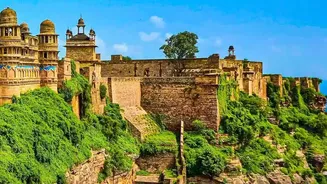
When we think of India's magnificent forts, we often picture majestic ruins or impeccably preserved monuments—relics of a bygone era. While many forts fit this description, a select few are classified as 'living forts.' These are not empty citadels but
are home to bustling communities, complete with houses, temples, shops, and guesthouses nestled within their ancient walls. Unlike their static counterparts, these forts offer a dynamic glimpse into a continuum of history, where life has persisted for centuries. This model challenges the conventional approach to heritage preservation, blending the past with the present in a way that is both authentic and sustainable, allowing visitors to experience history as a living, breathing entity rather than a static display.
Jaisalmer: The Golden Citadel
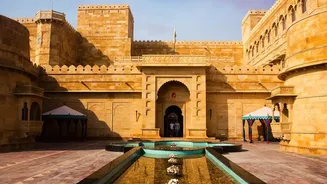
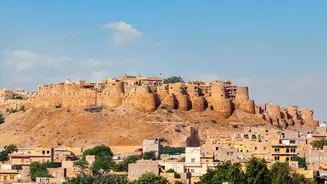
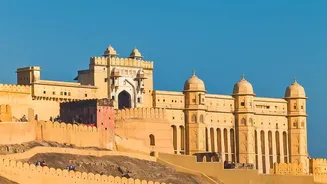
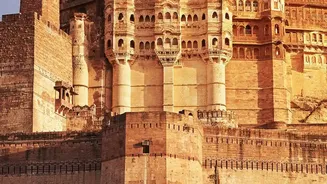
The most iconic example of a living fort is Jaisalmer Fort in Rajasthan. Rising from the Thar Desert like a sandcastle of epic proportions, it’s also known as Sonar Quila or the Golden Fort. Built in 1156, it is one of the world's few remaining inhabited fortresses, with a significant portion of the old city's population still residing within its walls. Its narrow, winding lanes are a labyrinth of homes, ancient Jain temples, artisan shops, and rooftop cafes that offer stunning views of the golden city below. Thousands of people, many of whom are descendants of the fort's original inhabitants, call it home, their lives interwoven with the very fabric of the fortress. This creates a unique atmosphere where the daily rhythm of life plays out against a backdrop of centuries-old architecture.
A Vibrant Community and Marketplace
The 'living' aspect of these forts is most tangible in their marketplaces. Within Jaisalmer Fort, for example, the economy is intrinsically linked to tourism and local commerce. The streets are lined with shops selling colourful textiles, leather goods, jewellery, and traditional handicrafts. This commercial activity provides livelihoods for the resident families, transforming the fort from a mere historical site into a self-sustaining economic ecosystem. The presence of homes and markets means the fort remains animated long after the last tourist bus has departed, offering a more immersive experience for those who choose to stay in one of the many guesthouses or heritage hotels operating within its ramparts. This symbiosis of community, commerce, and conservation is a hallmark of the living fort model.
The Preservation Paradox
While the concept of a living fort is enchanting, it presents significant challenges. The very presence of a resident population and heavy tourist footfall puts immense strain on ancient infrastructure. Issues like waste management, sanitation, and the structural integrity of centuries-old buildings are constant concerns. In Jaisalmer, the fort's ageing drainage system has been a source of significant worry, with water seepage threatening the foundations of the sandstone structure. Balancing the needs of the residents and the commercial pressures of tourism with the critical need for preservation is a delicate act. Authorities and conservation bodies constantly grapple with how to maintain the fort's 'living' character without compromising its physical existence for future generations.
A Sustainable Model for Heritage?
Despite the challenges, living forts offer a compelling alternative to the 'museumification' of heritage sites. They demonstrate a model where local communities are not displaced by preservation efforts but are instead integral to them. The residents often act as custodians of their heritage, their lives and stories adding an invaluable layer to the site's cultural significance. While Jaisalmer is the most prominent example, other forts like those in the Hill Forts of Rajasthan group also contain living urban settlements. This approach ensures that the heritage is not frozen in time but continues to evolve. It fosters a sense of ownership and ensures that the economic benefits of tourism flow directly into the community, creating a powerful incentive for conservation.