




A New Chapter in an Old Story
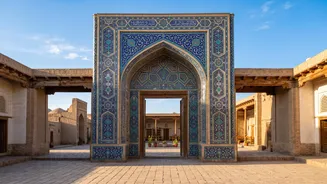
For years, Uzbekistan has occupied a space in the Indian imagination as a distant land of grand mosques, turquoise domes, and shared Mughal history. But visiting has often felt complicated, requiring cumbersome visa processes and limited flight options.
That narrative is now being actively rewritten. In a concerted push to boost tourism and strengthen ties with India, Uzbekistan has rolled out a series of changes that are making it one of the most talked-about emerging destinations. This isn't just about preserving history; it's about making it accessible. The focus has shifted from merely being a historical site to becoming a welcoming, modern travel experience, with India identified as a key strategic partner in this transformation.
The Game-Changing Visa Rules
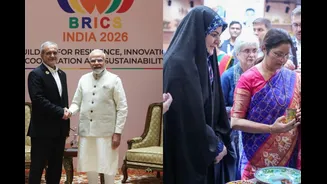
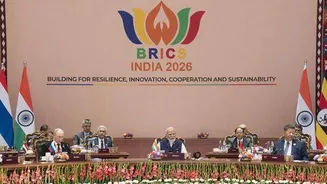
The single biggest catalyst in this developing story is the overhaul of visa regulations. In late August 2026, during a visit by Prime Minister Narendra Modi, Uzbekistan's President Shavkat Mirziyoyev announced a 30-day visa-free regime for Indian citizens. While travellers are advised to await the final implementation date, this move signals a clear intent to welcome Indian tourists with open arms. Further easing travel, another new rule effective from September 2026 allows Indian citizens who hold valid multiple-entry visas from countries like the US, UK, Schengen states, Japan, or South Korea to enter Uzbekistan visa-free for up to 30 days. For many frequent Indian travellers, this has effectively removed a significant barrier to entry, making spontaneous trips a real possibility.
More Flights Bridging the Distance
Easier visas mean little without the flights to get there. Recognizing this, connectivity between the two nations is expanding rapidly. There are already 14 direct flights operating between India and Uzbekistan every week. Airlines like Uzbekistan Airways, Centrum Air, and Air India are actively servicing this demand. In a significant development for South Indian travellers, Uzbekistan-based Centrum Air is launching a new direct, twice-weekly service between Hyderabad and Tashkent starting September 28, 2026. This adds to its existing five weekly flights from Delhi and signals strong confidence in the Indian market's potential. This growing 'air bridge' is crucial, making the journey quicker and more convenient than ever before.
A Red Carpet for Indian Travellers
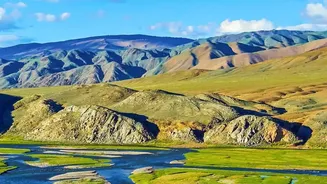
Uzbekistan's government is not just passively waiting for tourists; it is actively courting them. The two countries signed a Tourism Cooperation Programme for 2026-2028, aiming to significantly boost tourist numbers through joint cultural weeks, film festivals, and new tour routes. There's also a big push to attract the lucrative Indian wedding market and to encourage Bollywood film shoots in its scenic locales. In another practical move, an agreement will enable Indian tourists to use the UPI payment system across Uzbekistan, making transactions seamless. These initiatives are backed by ambitious goals: Uzbekistan aims to attract 200,000 Indian tourists annually by 2030.
Deepening Cultural and Economic Ties
The relationship goes beyond just tourism. India and Uzbekistan elevated their relationship to a Comprehensive Strategic Partnership in August 2026. Bilateral trade exceeded USD 1 billion for the first time last year, and the two nations have set a target of reaching USD 5 billion by 2030. This growing economic partnership is creating a vibrant ecosystem for travel. An increasing number of Indian businesses are setting up in Uzbekistan, and thousands of Indian students are now studying in the country's universities. This creates more reasons for travel in both directions, from business and education to visiting friends and family, further weaving the two countries together.