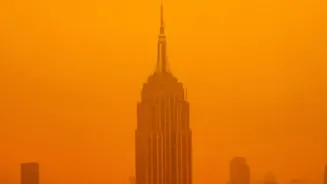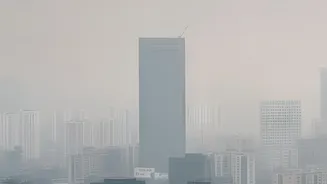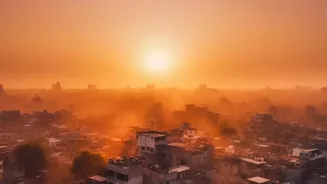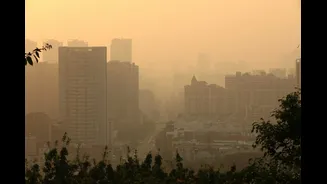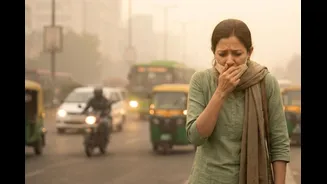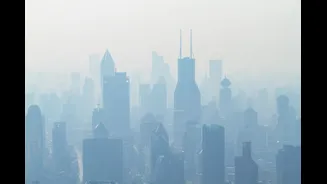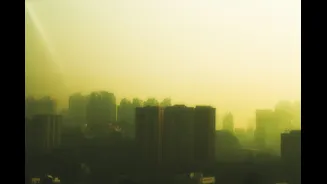






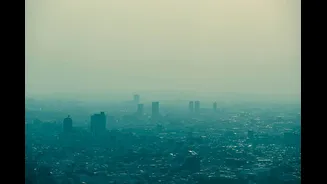
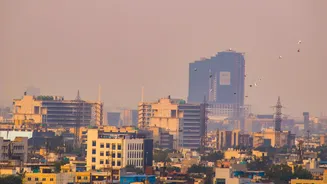
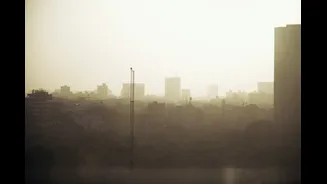
As November unfolds, a familiar haze returns to Delhi. Air quality readings on November 10 once again entered the 'Very Poor' category, with many areas nearing 'Severe' levels, triggering a major public health alert for millions of residents.
What 'Severe' Air Quality Means
The Air Quality
Index, or AQI, is a scale used to measure how polluted the air is. In India, an AQI between 301 and 400 is classified as 'Very Poor', while a reading between 401 and 500 is 'Severe'. On November 10, while Delhi's overall AQI was in the 'Poor' to 'Very Poor' range, several monitoring stations recorded levels well above 400 in the days prior, especially following Diwali. An AQI in the 'Severe' category is an emergency condition that can affect even healthy individuals and poses a serious risk to those with existing respiratory or cardiovascular illnesses. The dominant pollutant is often PM2.5—fine particulate matter that can penetrate deep into the lungs and even enter the bloodstream, causing widespread health issues.
The Immediate Toll on Your Body
When the air quality is this poor, the health effects are immediate. Residents may experience persistent coughing, wheezing, shortness of breath, and irritation in the eyes, nose, and throat. For vulnerable populations—including children, the elderly, pregnant women, and people with conditions like asthma or heart disease—these conditions can be particularly dangerous, potentially triggering severe asthma attacks or other acute episodes. However, even healthy individuals may notice symptoms like unusual fatigue, headaches, difficulty concentrating, and disrupted sleep, as the body works harder just to breathe and cope with inflammation caused by pollutants. Experts have compared breathing Delhi's 'Severe' air to smoking dozens of cigarettes a day.
A Perfect Storm of Pollutants
The sharp decline in air quality every November is not accidental. It's the result of a combination of factors creating a 'perfect storm' for pollution. Cooler winter temperatures and lower wind speeds create a phenomenon called temperature inversion, which acts like a lid, trapping pollutants close to the ground. This trapped air is then filled with emissions from multiple sources. Smoke from post-harvest stubble burning in neighbouring states like Punjab and Haryana is a major contributor during this period. This is compounded by local sources that pollute year-round, including heavy vehicular traffic, industrial emissions, and dust from construction sites. Recent events like Diwali fireworks can cause a dramatic, immediate spike, pushing already poor air into the 'Severe' zone.
How to Protect Yourself and Your Family
While systemic solutions are needed, taking personal precautions is crucial to minimise exposure. The most effective step is to limit time spent outdoors, especially during early morning and late evening hours when pollution is often at its peak. If you must go out, wear a well-fitting N95 or N99 mask, as cloth masks offer little protection against PM2.5 particles. Avoid strenuous outdoor exercise like running or cycling. Indoors, keep windows and doors closed. Using a HEPA-filter air purifier can significantly reduce the concentration of airborne pollutants inside your home. It is also important to stay hydrated and monitor for any persistent respiratory symptoms.