



The Rise of the Affordable EV
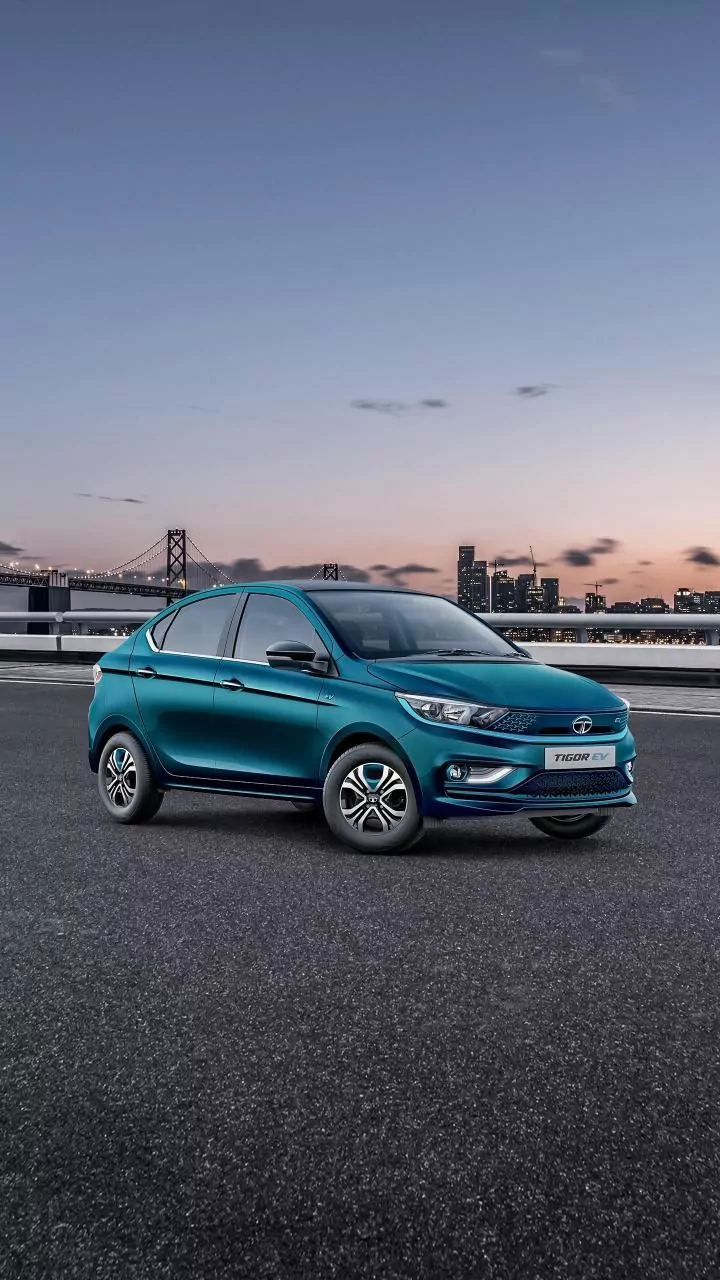
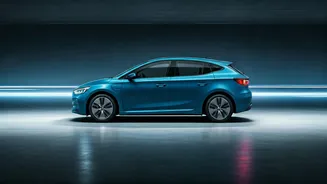
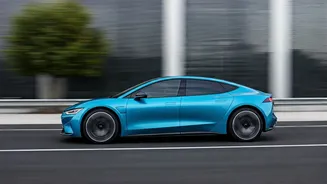
The single biggest catalyst for India's EV boom has been the arrival of genuinely affordable electric cars. For years, high upfront costs were a major barrier for the price-sensitive Indian buyer. That has changed dramatically, thanks largely to domestic
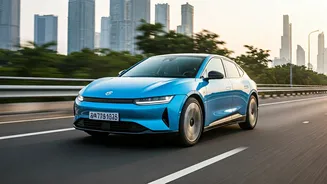
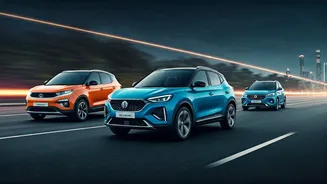
manufacturers. Tata Motors, in particular, has captured the market with models like the Tiago EV, Tigor EV, and the popular Punch EV. These vehicles, often priced under ₹10 lakh, have made electric mobility a viable option for a much broader audience. They offer low running costs, a quiet and smooth driving experience, and are perfectly suited for daily urban commutes. Following this success, other brands like MG with its compact Comet EV have also entered the fray, intensifying competition and providing consumers with more choice than ever.
Premium and Powerful Electric SUVs
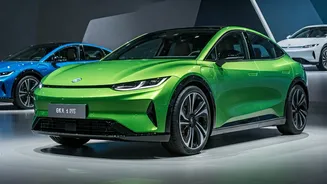
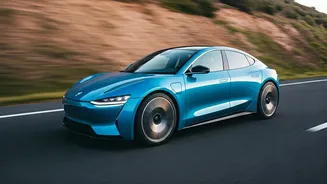
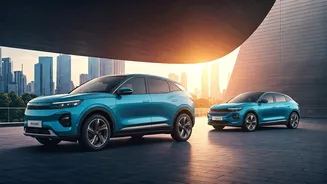
While the budget segment drives volume, the premium end of the market is where the glamour and performance of electric technology truly shine. Wealthy Indian consumers are enthusiastically adopting high-end electric SUVs that offer a compelling blend of luxury, cutting-edge technology, and blistering performance. Models such as the Hyundai Ioniq 5, Kia EV6, and offerings from luxury giants like BMW, Audi, and Mercedes-Benz are becoming increasingly common sights on city roads. These vehicles offer long-range capabilities that help mitigate range anxiety, along with features like expansive touchscreens, advanced driver-assistance systems, and sustainable interior materials. The success of these premium models proves that EV demand is not just about saving on fuel; it's also about aspiration and embracing the future of mobility.
What's Fuelling This Electric Surge?
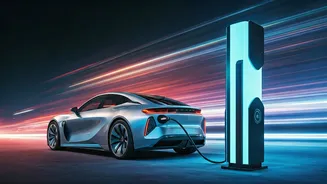
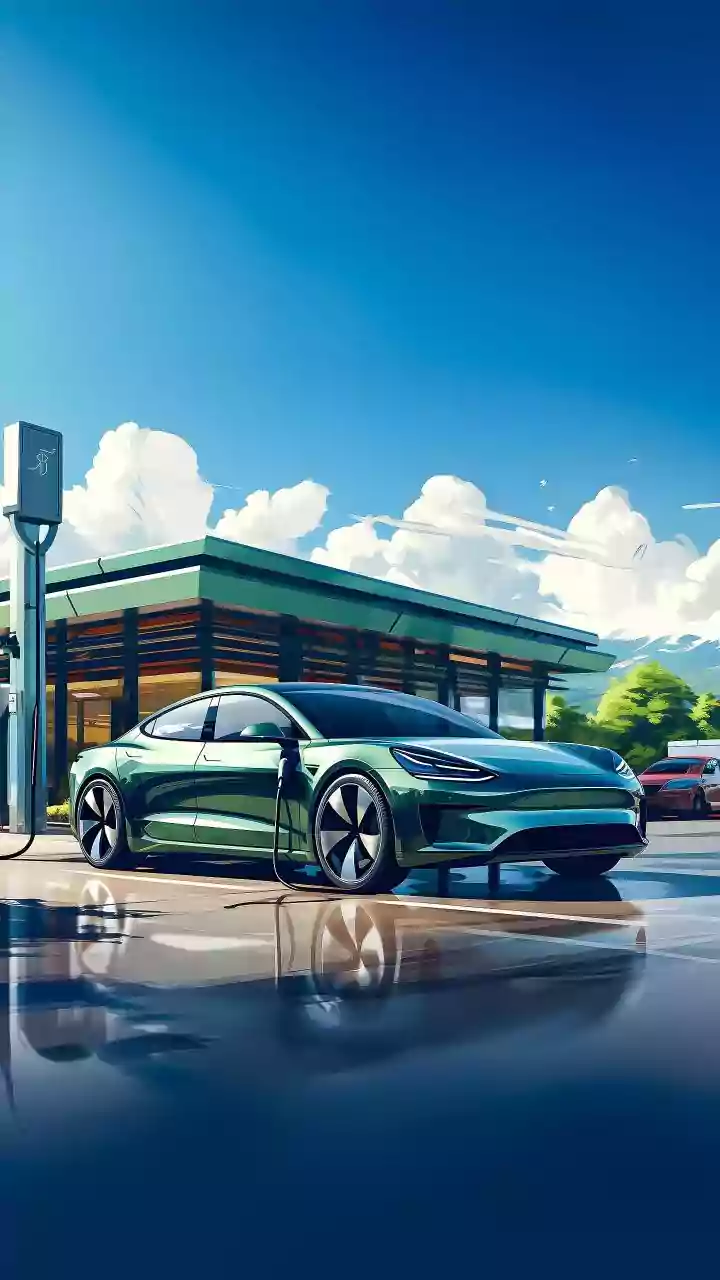
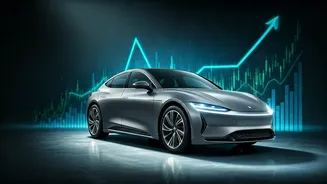
Several factors are converging to accelerate EV adoption in India. Government policies, like the FAME (Faster Adoption and Manufacturing of Hybrid and Electric Vehicles) scheme, have been crucial in providing subsidies and incentives that reduce the upfront cost for consumers. Simultaneously, consistently high fossil fuel prices make the low running costs of EVs incredibly attractive. The charging infrastructure, long considered a major bottleneck, is steadily expanding in cities and along major highways, giving potential buyers more confidence. Automakers are also playing a vital role by launching a wider variety of models, with the number of available EV options expected to nearly double in the coming year, particularly in popular SUV segments.
Roadblocks on the Green Highway
Despite the positive momentum, the path to complete electrification is not without its challenges. The upfront cost of an EV, while decreasing, is still higher than its internal combustion engine (ICE) counterpart, which remains a significant hurdle for many. While charging infrastructure is growing, its availability is uneven, with a notable lag in Tier-2 and Tier-3 cities and rural areas, leading to persistent range anxiety among some buyers. Furthermore, the industry is heavily reliant on imports for critical components like battery cells, which exposes it to global supply chain volatility and price fluctuations. Addressing these issues is critical for maintaining the current growth trajectory.