







The Legend of the Blue Mountains
Neelakurinji, or Strobilanthes kunthiana, is a shrub that grows in the high-altitude shola grasslands of the Western Ghats. What makes it legendary is its synchronized flowering cycle; it blooms en masse only once every 12 years. After flowering, the plants
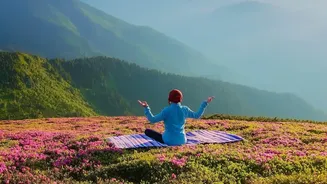
die, and their seeds begin a new dozen-year journey. This rare natural event transforms entire hillsides into a breathtaking carpet of purplish-blue flowers, giving the Nilgiri Hills—or 'Blue Mountains'—their name. Historically, the local Paliyan community even used the bloom cycle to calculate their age.
The Most Important Update for 2026
Here's the crucial update for travellers: a significant Neelakurinji bloom is happening right now, in September 2026. This has caused some confusion, as the last major bloom in Eravikulam National Park was in 2018, with the next expected in 2030. However, Munnar is home to different populations of Neelakurinji, each with its own 12-year clock. The current bloom is from a population last seen flowering in 2014, making 2026 its scheduled year. This is not an early arrival of the 2030 event but a separate, equally genuine spectacle.
Where to Witness the 2026 Bloom
The main locations for the current bloom are Chokramudi Hills and the Mattupetty-Korandakkad region. Eravikulam National Park, the site of the famous 2018 bloom, is not the main location for this year's event. Visitors should head towards Chokramudi, where designated viewing areas have been opened, or to the Korandakkad area along the Munnar-Mattupetty road. These spots are currently covered in the vibrant flowers and are attracting thousands of visitors daily. To manage the crowds, authorities have started special bus services and are managing entry.
Planning Your Visit: Tickets and Timings
With the bloom expected to last only another 25 to 30 days from mid-September, planning is essential. At Chokramudi, visitors are allowed from 7:00 AM to 4:00 PM. Entry fees for Chokramudi are ₹200 for adults and ₹50 for children, while at Korandakkad, tickets cost ₹250 for adults and ₹100 for children under 12. Given the influx of tourists, booking accommodation in Munnar well in advance is highly recommended. The nearest railway station is Aluva and the nearest airport is in Cochin, both approximately 110 km from Munnar.
A Fragile Beauty: How to Be a Responsible Tourist
The Neelakurinji ecosystem is incredibly delicate. The plant is a protected species under the Wildlife Protection Act of 1972, and harming it carries severe penalties, including fines up to ₹25,000 and imprisonment. Visitors must not pluck the flowers or trample the plants, as this can disrupt the seed-setting process vital for the next bloom in 12 years. It is crucial to stay on designated trails, avoid littering, and follow all instructions from forest officials. The goal is to leave this natural wonder untouched for future generations to enjoy.