



A Mission to Our Origins
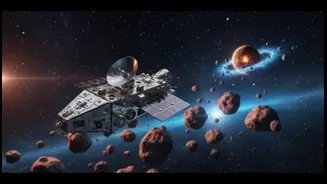
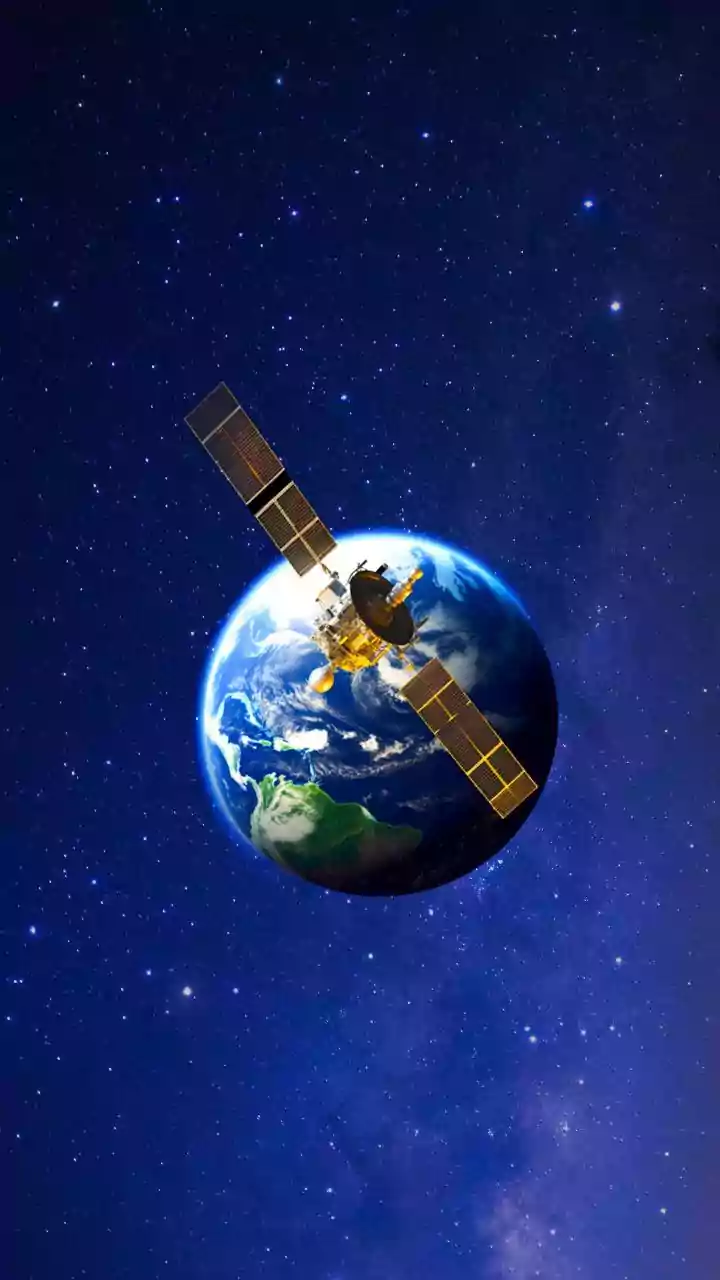
Launched in 2021, NASA's Lucy spacecraft is on an ambitious 12-year journey to explore a record number of asteroids. Its primary targets are the Trojan asteroids, two mysterious swarms of space rocks that share Jupiter's orbit. These Trojans are considered
'fossils' of planet formation, preserved remnants from the chaotic birth of our solar system over 4.6 billion years ago. By studying them up close, scientists hope to unlock secrets about how the giant planets formed and settled into their current orbits, and even how water and organic materials might have been delivered to a young Earth. The mission is named after the fossilized human ancestor 'Lucy', as it promises to reveal the origins of our planetary system.
An Unexpected Cosmic Encounter
On its way to the Trojans, Lucy performed a dress rehearsal by flying past a small main-belt asteroid named Dinkinesh in November 2023. This initial encounter yielded a stunning surprise: Dinkinesh was not alone. It had a satellite, which was later named Selam. Even more bizarrely, further analysis revealed that Selam is a 'contact binary'—two smaller objects that have gently merged and are touching. This was the first time such an object had been seen orbiting another asteroid. The encounter, a test for the spacecraft’s tracking systems, provided a wealth of unexpected data and a glimpse into the complex dynamics of small solar system bodies.
What is a 'Rubble Pile'?
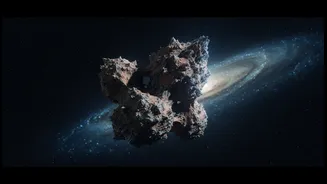
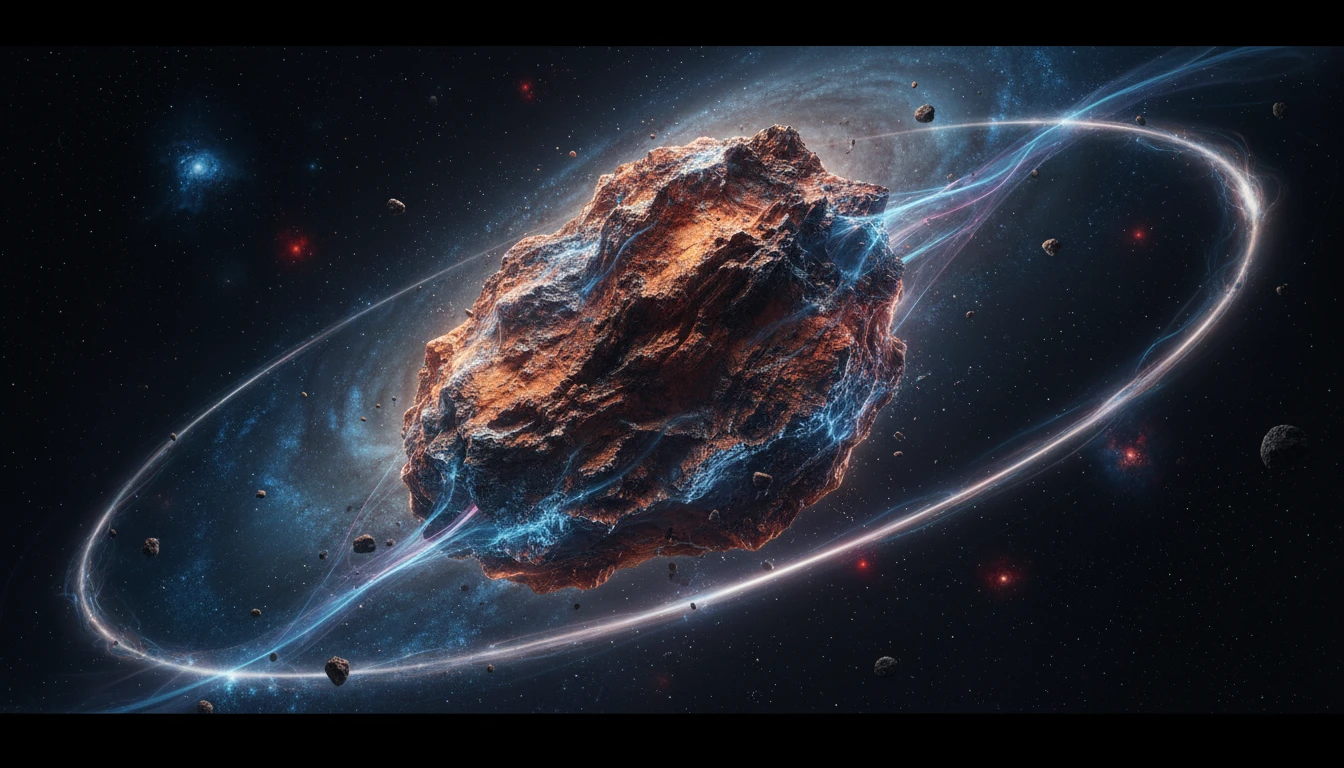
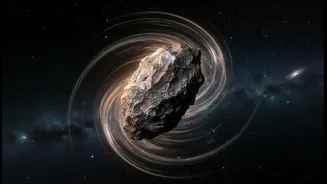
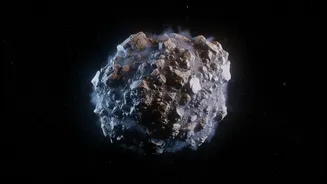
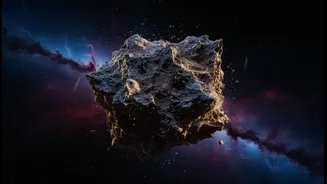
The observations of Dinkinesh, as well as other asteroids like Bennu and Ryugu visited by other missions, support the idea that many asteroids are not solid, monolithic rocks. Instead, they are 'rubble piles'—loose collections of boulders, gravel, and dust held together by their own feeble gravity. Scientists believe these form when a larger, solid asteroid is shattered by a collision. Over time, the fragments can gradually regroup under their own gravitational attraction to form a new, loosely assembled body. The density of these asteroids is often surprisingly low, with some having interiors that might be 50% empty space.
Clues Written in the Dust
The structure of Dinkinesh offers compelling evidence for a dramatic past. Scientists theorize that as the asteroid slowly spun faster over millions of years due to the subtle push of sunlight, stress built up until a large chunk broke away. This event could have flung debris into orbit, which then coalesced to form the unique satellite Selam, while other material fell back onto Dinkinesh to create a distinct ridge seen along its equator. This process suggests that Dinkinesh has some internal strength, unlike other weaker rubble piles which might have completely disintegrated. Studying how these objects respond to stress helps scientists understand the fundamental processes of planet formation, which involved countless collisions between similar bodies.
Why This Matters for Earth
Understanding whether an asteroid is a solid rock or a loose pile of rubble is critically important for planetary defense. If a threatening asteroid were on a collision course with Earth, our strategy to deflect it would depend heavily on its composition. Pushing on a solid object is very different from pushing on a loose conglomeration of gravel. As the DART mission's impact on the asteroid Dimorphos showed, a rubble pile might absorb an impact or even re-form after being disrupted rather than being cleanly knocked off course. The data from Lucy and other missions provides vital, real-world information that will inform and refine strategies to protect our planet.