

The Foundation: A Perfect Batter
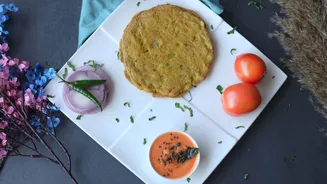
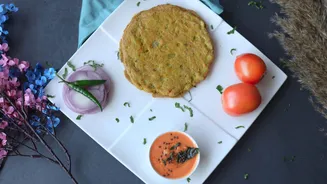
The secret to a great chilla lies in its batter. You'll want to use split and husked moong dal (yellow moong dal), as whole green gram results in a different dish called Pesarattu. Start by rinsing one cup of the dal thoroughly until the water runs clear.
Then, soak it in two to three cups of water for at least three to four hours, or even overnight if you're planning a morning meal. Once soaked, the lentils will have doubled in size. Drain them completely and transfer them to a blender. Add essential aromatics like a half-inch piece of ginger and one or two green chillies for a bit of heat. Pour in about a quarter cup of water and blend until you have a smooth, fine paste. The consistency is key: it should be thick but still have a pourable, flowing quality, similar to dosa batter. If it’s too thick, the chilla will be hard to spread; if it’s too thin, it may tear or result in a soft, rather than crispy, texture.
Seasoning and Vegetables
Once your batter is smooth, it's time to add flavour. Transfer the batter to a bowl and stir in spices. Classic additions include a quarter teaspoon of turmeric powder for colour, a pinch of asafoetida (hing) for its unique savoury note, and salt to taste. Many street vendors also add ajwain (carom seeds) to aid digestion and add a distinctive taste. Now for the fresh components that define the street-style experience. Finely chop about one-third of a cup of red onion and a quarter cup of fresh coriander leaves, and add them directly into the batter. You can also mix in other finely grated or chopped vegetables like carrots, bell peppers, or even spinach. After mixing everything well, it's a good idea to let the batter rest for 15 to 20 minutes. This allows the flavours to meld together.
The Classic Paneer Filling
While a plain chilla is delicious, the street-food experience is often about the stuffing. A simple yet satisfying paneer filling is the most popular choice. To prepare it, crumble about 200 grams of fresh paneer into a bowl. Mix in finely chopped onions, green chillies, and fresh coriander leaves. For seasoning, add salt, a teaspoon of chaat masala for tanginess, and a pinch of red chilli powder if you like extra spice. Some recipes also include finely chopped carrots and bell peppers for added crunch and nutrition. Mix all the filling ingredients together and set aside. You'll add this to the chilla while it's cooking on the pan.
Cooking to Crispy Perfection
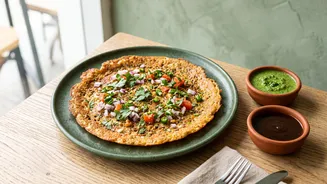
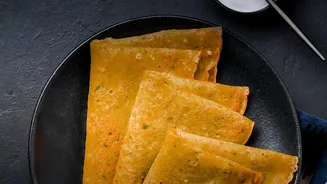
Proper heat management is crucial for a crispy chilla. Heat a flat pan or tawa, preferably cast iron, over medium heat. It needs to be hot, but not smoking. Once hot, lightly grease the pan with oil. Pour a ladleful of batter into the centre and, using the back of the ladle, spread it outwards in a circular motion to form a thin pancake. Drizzle a little oil around the edges and on top. Let it cook for two to three minutes until the top looks set and the bottom is golden brown and crisp. Flip the chilla, and if you're adding a filling, now is the time. Spread a generous amount of the paneer mixture over one half of the chilla. Cook for another minute, then fold the other half over the filling. Press down gently with a spatula and cook for a final 30 seconds before sliding it onto a plate.
Serving It Street-Style
No street-style chilla is complete without its signature accompaniments. The most essential is a vibrant green chutney. This is typically made by blending fresh coriander and mint leaves with green chillies, ginger, garlic, and a bit of lemon juice for brightness. A touch of sugar or yogurt can balance the flavours. To serve, place the hot, folded chilla on a plate and serve it immediately with a generous dollop of green chutney and perhaps some tomato ketchup for a sweet and tangy contrast. For a more substantial meal, you can serve it alongside a cup of hot chai. Enjoy the satisfying crunch and savoury flavours of this North Indian street food favourite right in your own kitchen.