

The Great Growth Myth
Let's clear this up first: hair oil does not directly make hair grow faster. The rate at which your hair grows is primarily determined by genetics, hormones, and internal health factors that influence the hair growth cycle happening deep within your follicles.
While some sources suggest scalp massage with oil can increase blood circulation, which may theoretically create a better environment for growth, there is limited scientific data to prove it significantly alters your natural growth rate. The perception that oil grows hair often comes from its ability to prevent breakage. When hair is strong and moisturised, it breaks less, which means you retain length and your hair appears to grow longer and fuller.
The Real Magic: A Shield Against Damage
The primary and most proven benefit of hair oil is its ability to protect the hair shaft. When you apply oil, it forms a protective, water-repelling barrier around the hair's cuticle. This is crucial for preventing something called 'hygral fatigue'—the repeated swelling and drying of the hair shaft when it gets wet, which weakens it over time and leads to snapping. By coating the hair before washing (a pre-poo treatment), oils like coconut oil can reduce how much water the hair soaks up and minimize protein loss, keeping strands stronger and more resilient. This same barrier also guards against damage from heat styling and environmental stressors like pollution.
Sealing In Moisture for Shine and Smoothness
If you struggle with frizz, dullness, or flyaways, hair oil is your best friend. Frizz is often a sign that your hair is dry and its outer cuticle layer is raised. Hair oils work to smooth this cuticle down, locking in moisture from your conditioners and the air. There are two main types of oils: penetrating oils that can move into the hair shaft, and sealing oils that sit on top. Both help to replace lost lipids, the natural fats in your hair that are responsible for its shine and flexibility. By smoothing the hair's surface, oil helps it reflect more light, giving you that glossy, healthy-looking finish.
Creating a Healthier Scalp Environment
While oil won't speed up hair growth, it can foster a healthier scalp, which is the foundation from which all hair grows. Many oils have properties that can soothe a dry, itchy scalp and help reduce flakiness or dandruff. A well-moisturised and balanced scalp is less prone to irritation and inflammation, which can sometimes interfere with healthy follicle function. However, it's important not to overdo it. Applying too much oil or leaving it on for too long, especially on an oily scalp, can potentially clog follicles or disrupt the scalp's natural balance.
Choosing the Right Oil for Your Hair
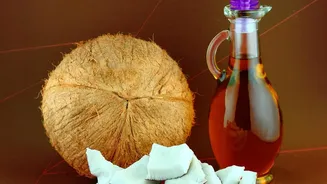
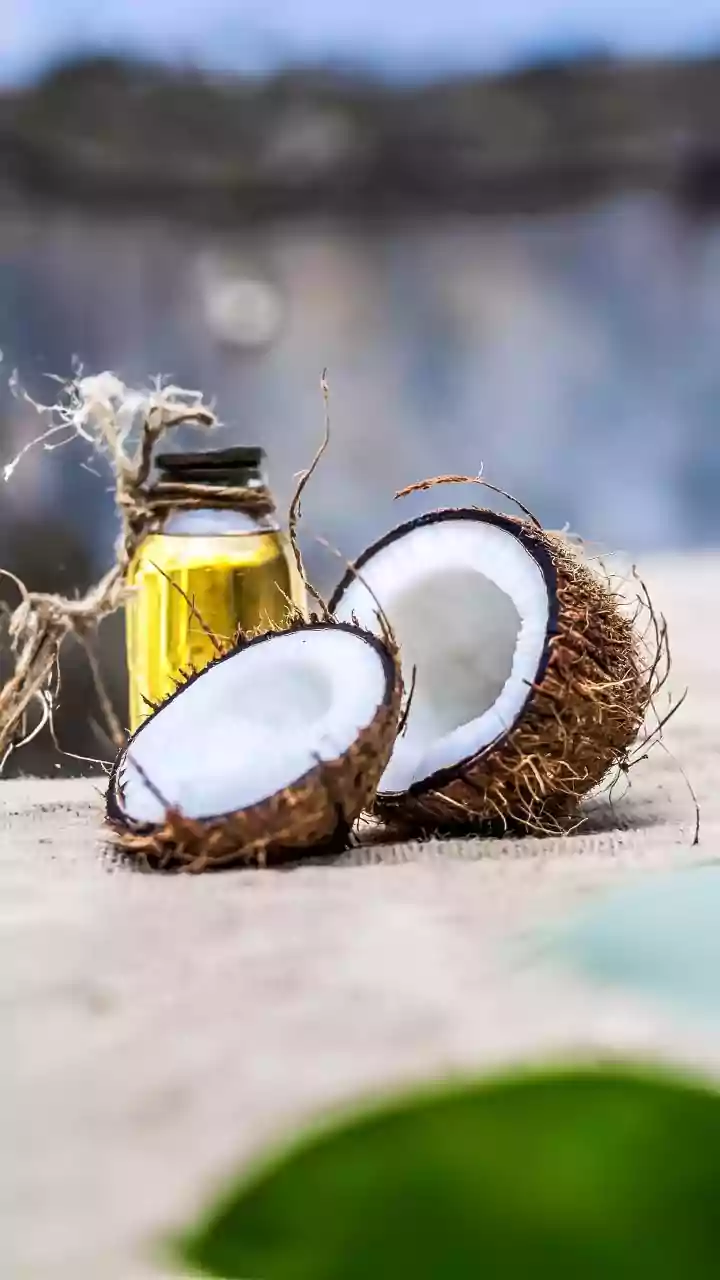
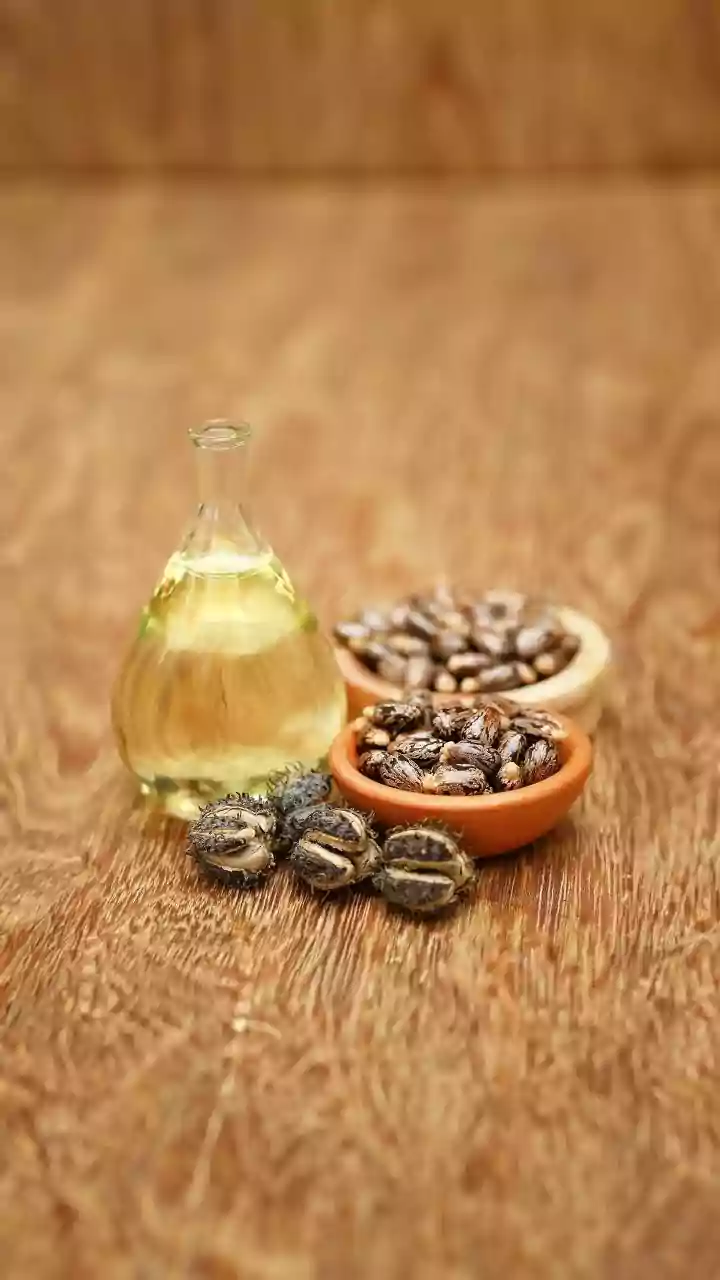
Not all oils are created equal, and the best one for you depends on your hair type and goals. Coconut oil is famously able to penetrate the hair shaft due to its molecular structure, making it great for pre-wash treatments to prevent damage. Argan oil is a popular lightweight finishing oil, perfect for taming frizz and adding shine without weighing hair down. Jojoba oil is structurally similar to the scalp's natural sebum, making it a good choice for scalp massages. For very dry or curly hair, heavier oils like castor oil can provide intense moisture. The key is to start with a small amount applied mostly to the mid-lengths and ends to avoid a greasy look at the roots.