




The Price Tag of Paralysis
The most direct way to understand the cost of a parliamentary washout is to look at the numbers. While there is no official real-time meter, the most frequently cited estimate puts the cost of running Parliament at approximately ₹2.5 lakh every minute.
This translates to about ₹1.5 crore per hour and nearly ₹9 crore for a typical six-hour sitting day. These figures, which have been referenced in reports during the ongoing 2026 Monsoon Session, are based on calculations from over a decade ago, suggesting the actual present-day cost is likely even higher. This expenditure includes salaries and allowances for MPs, the salaries of parliamentary staff, and the immense logistical and security costs of maintaining the institution. When the House is adjourned due to disruptions, the clock keeps ticking on these expenses, even though no legislative work gets done.
The Legislative Logjam
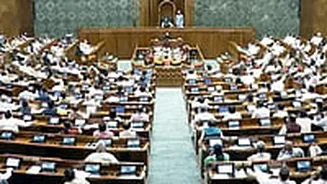
The financial cost, while staggering, is arguably the smaller part of the story. The true casualty of a stalled Parliament is its primary function: to legislate. In recent sessions, it has become common for crucial bills to be passed within minutes, amid the din of protests and often without any substantial debate. Opposition leaders have pointed out instances where bills were passed at an average time of under seven minutes, comparing the process to making 'papri chaat' rather than deliberating law. When bills are passed without scrutiny or discussion, it undermines the entire legislative process. This haste can lead to poorly drafted laws, overlook potential negative consequences, and deny elected representatives the chance to examine legislation on behalf of their constituents. The government maintains that it is the Opposition's obstructionism that forces this situation, but the end result is the same: laws that will affect millions are enacted without the rigour of a proper debate.
The Accountability Deficit
Another core function of Parliament is to hold the government accountable. The Question Hour and Zero Hour are critical tools designed for this very purpose, allowing MPs to question ministers on policies and raise matters of urgent public importance. Frequent disruptions often lead to the complete washout of these segments. During the ongoing Monsoon Session of 2026, for example, the Lok Sabha has repeatedly failed to complete its Question Hour due to protests over various issues. This creates an accountability deficit. Without these checks, the executive branch can function with less oversight. As experts from institutions like PRS Legislative Research have noted, the delay in policy-making and the lack of accountability have a cost that is far greater and harder to quantify than the financial waste. A delayed reform in a key sector like education or justice can affect millions of lives and futures.
The Erosion of Democratic Norms
Ultimately, the persistent cycle of disruptions erodes public trust and damages the very foundation of parliamentary democracy. When Parliament is seen as a 'shouting arena' instead of a forum for reasoned deliberation, it fosters cynicism among citizens. Disruptions have become a political strategy for both the government and the opposition at different times, with each side justifying its actions by pointing to the other's past behaviour. This traps Parliament in a cycle of what some call 'tit-for-tat' politics, where the primary goal of holding the government of the day accountable is lost. Over time, this normalises disorder and weakens the institution's role as the central pillar of India's democracy, where diverse voices are meant to be heard and disagreements settled through debate, not deadlock.