







The Power of the Protein Promise
Walk down any supermarket aisle in India, and you'll be greeted by bold claims of 'High Protein' on everything from biscuits and chips to milkshakes and bars. For health-conscious consumers, protein has become a primary marker of a 'good' food choice.
It's associated with muscle repair, satiety (feeling full), and overall fitness. Marketers know this, and the '20g of protein' claim has become a powerful tool. It creates a 'health halo,' making us believe a product is inherently good for us, often causing us to overlook other, less desirable ingredients. In India, the Food Safety and Standards Authority of India (FSSAI) regulates these claims. A product can be labelled 'high protein' only if at least 20% of its energy (calories) comes from protein. While this is a regulated standard, it doesn't guarantee the snack is a balanced or wise choice. It simply means it has crossed a specific protein threshold, a detail that says nothing about what else is in the package.
With Serving Size Changes How Protein Claims Should be Read
One of the most common ways labels can be misleading is through serving size. A snack may boast about its high protein content, but this is often listed 'per serving'. The catch? The package might contain two, three, or even more servings. If you eat the entire packet, which many of us do, you're also multiplying the sugar, sodium, and total calories. The FSSAI mandates that labels show nutritional information per 100g and per serving, which helps, but you have to know to look for it. Always check the 'servings per container' listed at the top of the nutrition panel. If a 100g packet has two servings, and you eat the whole thing, you need to double every number on the label. That 15g of sugar can quickly become 30g. This 'portion distortion' is a critical factor in understanding what you are actually consuming, versus what the front-of-pack marketing wants you to believe.
What 'Balanced' Really Means
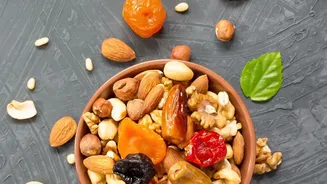
A truly balanced snack provides more than just one macronutrient. Dietitians suggest that an ideal snack should contain a combination of protein, healthy fats, and fibre-rich carbohydrates. This trifecta works together to provide sustained energy, promote fullness, and stabilise blood sugar levels, preventing the sharp energy crashes that can follow a sugary or simple-carb snack. Many high-protein packaged snacks are missing key components. They might offer protein but be loaded with added sugars, refined flours, and unhealthy fats, while containing almost no dietary fibre. For instance, a protein bar might give you 20g of protein but also 25g of sugar—more than a chocolate bar in some cases. A balanced alternative might be Greek yogurt with nuts and berries, or a handful of roasted chana. These options provide the winning combination of protein, fat, and fibre that keeps you full and energised.
How to Be a Snack Detective
Becoming a savvy consumer is about flipping the package over and ignoring the front-of-pack noise. First, check the serving size and servings per container. Second, look at the nutrition panel. Don't just stop at protein; check the amounts of added sugar, sodium, and saturated fat. Aim for snacks with at least 3-5 grams of fibre. Third, and most importantly, read the ingredients list. Ingredients are listed in descending order by weight. If sugar, maltodextrin (a filler), or various oils appear in the first few spots, you know the product is not as wholesome as it claims to be. Look for whole-food ingredients like nuts, seeds, whole grains, and legumes. Comparing the 'per 100g' column is the fairest way to judge two different products, as serving sizes can be manipulated by manufacturers.