






NASA is doubling down on its lunar ambitions. While the goal of landing astronauts back on the Moon by 2028 remains firm, the agency just unveiled a strategic pivot: accelerating the plan for a permanent moon base. How can it do both at once?
The 2028 Landing: A Goal Unchanged
First, the
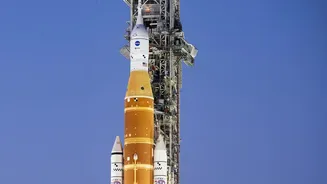
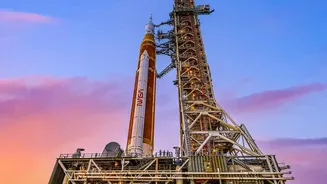
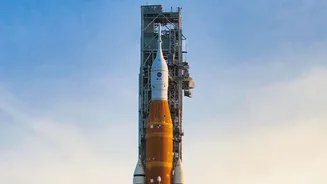
headline goal remains the same. NASA is holding fast to its target of landing astronauts—the first woman and the next man—on the lunar surface by 2028. This mission, now designated Artemis IV, is the culmination of a multi-stage effort that began with the uncrewed Artemis I in 2022 and the crewed lunar flyby of Artemis II in 2026. To achieve this, the agency is relying on its powerful Space Launch System (SLS) rocket and the Orion crew capsule to carry astronauts to lunar space. However, getting them from orbit to the surface requires a complex new piece of hardware: a Human Landing System (HLS), which is being developed by commercial partners.
A Major Shift for Artemis III
The key to the new strategy lies in a major re-scoping of the Artemis III mission, now planned for 2027. Originally slated as the landing mission itself, it has been redesigned as a crucial dress rehearsal in low Earth orbit. During this flight, four astronauts will rendezvous and dock with test versions of the lunar landers being built by SpaceX and Blue Origin. This allows NASA to test the critical docking and life support systems close to home, reducing risk before attempting a full lunar landing. It's a pragmatic shift that buys time for the lander development while still providing a valuable mission and keeping the workforce engaged.
What 'Faster Moon Base' Really Means
Accelerating the moon base plan isn't about building a lunar city overnight. Instead, it's about shifting from a 'flags and footprints' mentality to establishing a sustainable presence much sooner. This means prioritizing the delivery of foundational infrastructure. Following the Artemis IV landing, NASA plans a cadence of at least one surface landing per year. These missions will deliver cargo, rovers, science experiments, and eventually, a pressurized habitat where astronauts can live and work for extended periods. By getting assets like a lunar rover on the surface early—potentially even before the first crew arrives—NASA can maximize the efficiency and scientific return of its crewed missions. This long-term thinking is aimed at creating an enduring human foothold on the Moon.
The Commercial Power Play
This ambitious dual-track approach is only possible because of NASA's deep reliance on its commercial partners, namely SpaceX and Blue Origin. Both companies are developing their own unique lunar landers: SpaceX's Starship and Blue Origin's Blue Moon. NASA is fostering competition and collaboration simultaneously, keeping its options open for as long as possible before selecting a lander for the 2028 mission. These private companies are also responsible for a huge number of launches required for their landing systems, particularly the complex in-space refueling operations needed for Starship. This outsourcing of major hardware and logistics allows NASA to focus on overall program management and the core goal of sustainable exploration.
Challenges on the Lunar Horizon
Despite the confident announcements, the path to 2028 is paved with immense challenges. Both SpaceX and Blue Origin must successfully demonstrate their landers can touch down safely on the Moon in uncrewed tests before any astronauts climb aboard. SpaceX must also prove it can perform large_scale cryogenic propellant transfer in orbit, a feat never before accomplished. Furthermore, the entire program is subject to the realities of congressional funding and the potential for technical delays. NASA officials acknowledge the timeline is aggressive and are adopting an 'Apollo_era' sense of urgency to cut through bureaucracy and keep pace in what some are calling a new space race with China.