



Beyond peanut and almond, the world of nut butters is vast. Walnut-based spreads offer a unique nutritional profile but come with their own set of practical considerations. Here’s what you need to know before you make the switch.
The Unique Nutritional Edge
The primary reason to
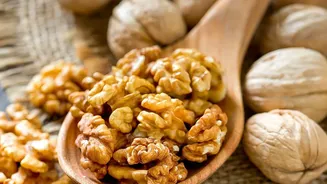
consider walnut butter is its impressive nutritional resume. Walnuts are one of the few plant-based foods rich in alpha-linolenic acid (ALA), a type of omega-3 fatty acid. This fat is crucial for brain function and heart health, helping to reduce inflammation and lower 'bad' cholesterol levels. Beyond healthy fats, walnuts provide a solid dose of antioxidants, including polyphenols and vitamin E, which protect cells from damage. While comparable to other nut butters in calories, walnut spread brings a unique anti-inflammatory and brain-boosting advantage to the table.
A Matter of Taste and Texture
Walnut butter doesn't taste like its more common counterparts. It has a distinctly earthy, rich, and slightly bitter flavor profile that some people love and others find takes getting used to. The texture can also vary. Homemade versions are often runnier than almond butter, closer to the consistency of a thick oil, while commercial brands may be thicker. This unique taste pairs wonderfully with both sweet items like bananas and maple syrup or in savory applications like salad dressings.
A Buyer's Guide to Store-Bought Spreads
When buying pre-made walnut spread, reading the label is essential. The best products contain just one ingredient: walnuts. Some may add a pinch of salt. Be wary of spreads with hidden additives like sugar, palm oil, or hydrogenated oils, which are often used to improve flavor and texture but detract from the health benefits. Since the healthy polyunsaturated fats in walnuts make them prone to going rancid quickly, check the 'best by' date and look for packaging that protects the contents from light, such as an opaque jar or bag. A fresh product should have a mild, nutty aroma; if it smells sharp or like old paint, it has likely spoiled.
The DIY Approach: Making It at Home
Making your own walnut butter is surprisingly simple and gives you complete control over the ingredients. All you need are walnuts and a powerful food processor. Lightly toasting the walnuts for about 8-10 minutes before blending can enhance their nutty flavor and help release their natural oils, making the blending process smoother. Simply process the toasted nuts until they break down from a crumbly flour into a smooth, runny butter. You can add a pinch of salt or a touch of cinnamon if you like. Store your homemade butter in a sealed jar in the refrigerator to maintain freshness.
Potential Downsides to Consider
Despite its benefits, there are practical drawbacks. Walnut butter is typically more expensive than peanut or even almond butter. Its high content of delicate polyunsaturated fats means it has a shorter shelf life and is more susceptible to spoiling if not stored properly in a cool, dark place. Like all nut butters, it is calorie-dense, so portion control is important, especially for those managing their weight. Furthermore, walnuts contain compounds like oxalates and phytic acid, which in very high amounts could be a concern for individuals with a history of kidney stones or mineral absorption issues.