




An Offering of Devotion
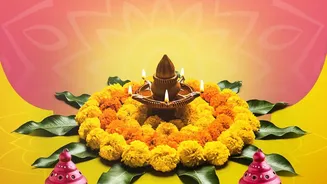
The primary difference lies in its purpose. The word 'bhog' itself means a food offering made to a deity. Bhoger Khichuri is not just a meal; it is a sacred offering, prepared with reverence and purity, especially during festivals like Durga Puja and Saraswati
Puja. It is first offered to the goddess and then distributed as 'prasad' to devotees, carrying with it a divine blessing. This spiritual context elevates it from a simple dish to an act of devotion and community, a stark contrast to the quick, comforting meal that everyday khichdi represents.
The Soul of the Dish: Core Ingredients
The soul of an authentic Bhoger Khichuri comes from two non-negotiable ingredients: Gobindobhog rice and Sona Moong dal. Gobindobhog is a short-grained, aromatic rice native to West Bengal, prized for its sweet, buttery flavour that infuses the entire dish. Everyday khichdi, on the other hand, is flexible, often made with whatever rice and dal (like masoor or toor) are available. The dal-to-rice ratio in Bhoger Khichuri is often 1:1, creating a richer, more balanced texture than the often rice-heavy daily versions.
The Purity of 'Niramish' Cooking
Bhoger Khichuri is strictly 'niramish', a Bengali term for vegetarian cooking that specifically excludes onions and garlic. This practice aligns with Sattvic dietary principles for religious offerings, which avoid ingredients believed to be overly stimulating. Instead, the flavour base is built on aromatics like ginger, cumin, bay leaves, and whole spices like cinnamon and cardamom. In contrast, many everyday khichdi recipes across India begin by sautéing onions and garlic, forming a completely different foundational taste profile.
A Fragrant Preparation Method
The preparation method is where the magic truly happens. A crucial step for Bhoger Khichuri is the dry roasting of the Moong dal until it turns a light golden brown and releases a nutty, irresistible aroma. This single step adds a profound depth of flavour that is typically absent in the simpler, boiled-together approach of daily khichdi. The spices are tempered in ghee, not just oil, which lends a characteristic richness and fragrance to the final dish. A touch of sugar is also essential, balancing the savory notes and giving it a subtly sweet finish that is unique to the festive version.
Texture, Taste, and Festive Additions
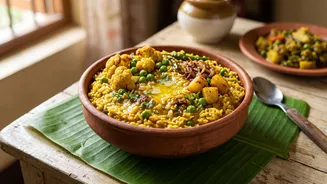
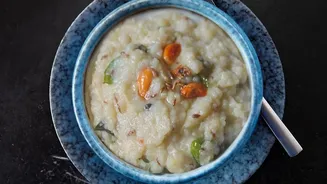
While an everyday khichdi can range from soupy to porridge-like, Bhoger Khichuri has a distinct, semi-runny consistency—neither too thick nor too watery. It's often studded with seasonal vegetables like cauliflower florets, potatoes, and green peas, which are usually fried in ghee before being added. This festive version is a richer, more complex symphony of tastes and textures, a celebratory dish meant to be savored. It is a one-pot meal that feels like a feast.
The Essential Accompaniments
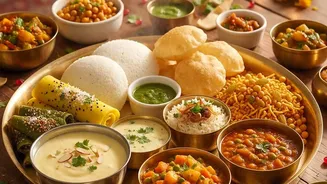
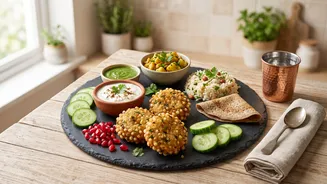
Finally, Bhoger Khichuri is almost never served alone. It is the centerpiece of a larger festive platter. Classic accompaniments include 'labra' (a sublime mixed vegetable dish with panch phoron), 'beguni' (batter-fried eggplant slices), various other 'bhajas' (fries), and a sweet and tangy tomato chutney. This ensemble of side dishes transforms the meal into a complete celebratory experience, a far cry from the solitary bowl of plain khichdi often served with just a dollop of yogurt or a pickle.