




The Image That Sparked Curiosity
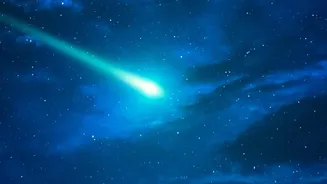
In its Astronomy Picture of the Day for August 3, 2026, NASA featured a stunning long-exposure shot of a meteor streaking through the night sky. Captured over Nevada, the image shows a bright trail of light that appears to shift in color from a brilliant
green to a softer yellow. While a single meteor is always a treat, this particular image provides a perfect opportunity to explore a common question for sky-watchers: why do shooting stars come in different colors?
A Rainbow of Burning Elements
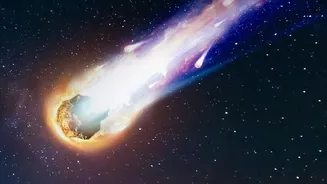
The vibrant display of a meteor is the result of immense heat and speed. When a small piece of asteroid or comet debris, called a meteoroid, hits Earth's atmosphere, it's traveling at incredible velocities—often many miles per second. This creates intense friction, heating the meteoroid and the air around it to thousands of degrees. This process, called ablation, vaporizes the rock and creates a glowing plasma trail. The specific colors we see are like a chemical fingerprint, revealing the meteoroid’s composition. Just like a chemistry lab flame test, different elements burn with distinct colors when superheated.
Decoding the Cosmic Palette
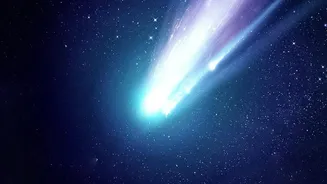
Each color tells a story about the meteor's origin. The most commonly seen colors are a yellowish-white, which typically indicates the presence of iron, a very common element in meteoroids. A bright, sodium-rich meteor will glow with a fiery orange-yellow hue. Perhaps the most striking are the vivid green meteors. This common color is caused by the vaporization of nickel and magnesium in the meteoroid. Rarer colors include violet or purple, which signal the presence of calcium, and blue, which can also be caused by magnesium. In a way, watching a meteor shower is like seeing a rapid-fire analysis of space dust from across the solar system.
More Than Just the Rock
The meteoroid itself isn't the only thing producing light. The intense energy of its passage also excites the gases in our own atmosphere. The air around the meteor is primarily composed of nitrogen and oxygen, which can glow red when heated to such extreme temperatures. This is why some meteors, especially faster ones, might have a reddish hue or leave behind a faint, glowing trail, known as a persistent train. These trains, which can linger for seconds or even minutes, are often caused by the interaction of vaporized meteor materials with atmospheric oxygen and ozone.
How to Spot the Colors Yourself
This August provides a fantastic opportunity to put this knowledge to the test with the annual Perseid meteor shower. Peaking on the nights of August 12 and 13, the 2026 shower is predicted to be one of the best in years, as the peak coincides with a new moon, promising exceptionally dark skies. The Perseids are known for being bright and fast, often showing off yellow and green colors due to the composition of their parent comet, Swift-Tuttle. To give yourself the best chance of seeing these cosmic colors, find a dark location away from city lights, allow your eyes about 20-30 minutes to adjust, and simply look up. No telescope is needed; your eyes are the best tool for taking in the whole show.