
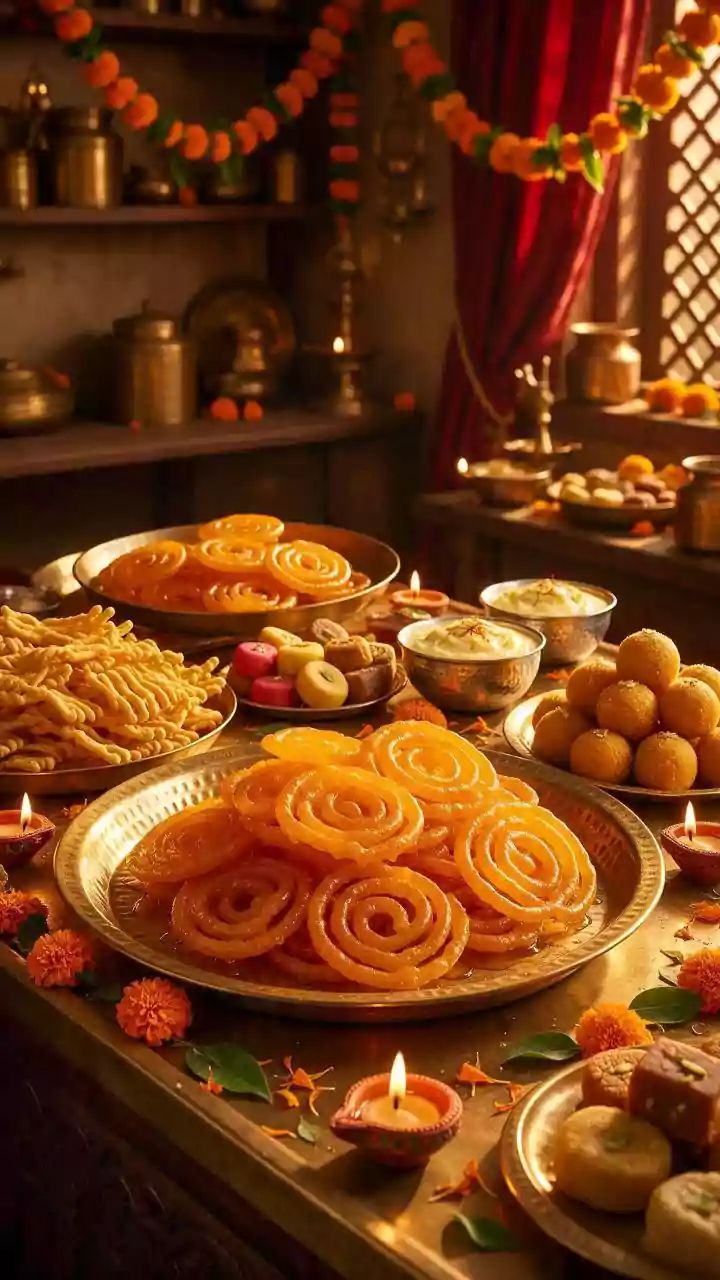
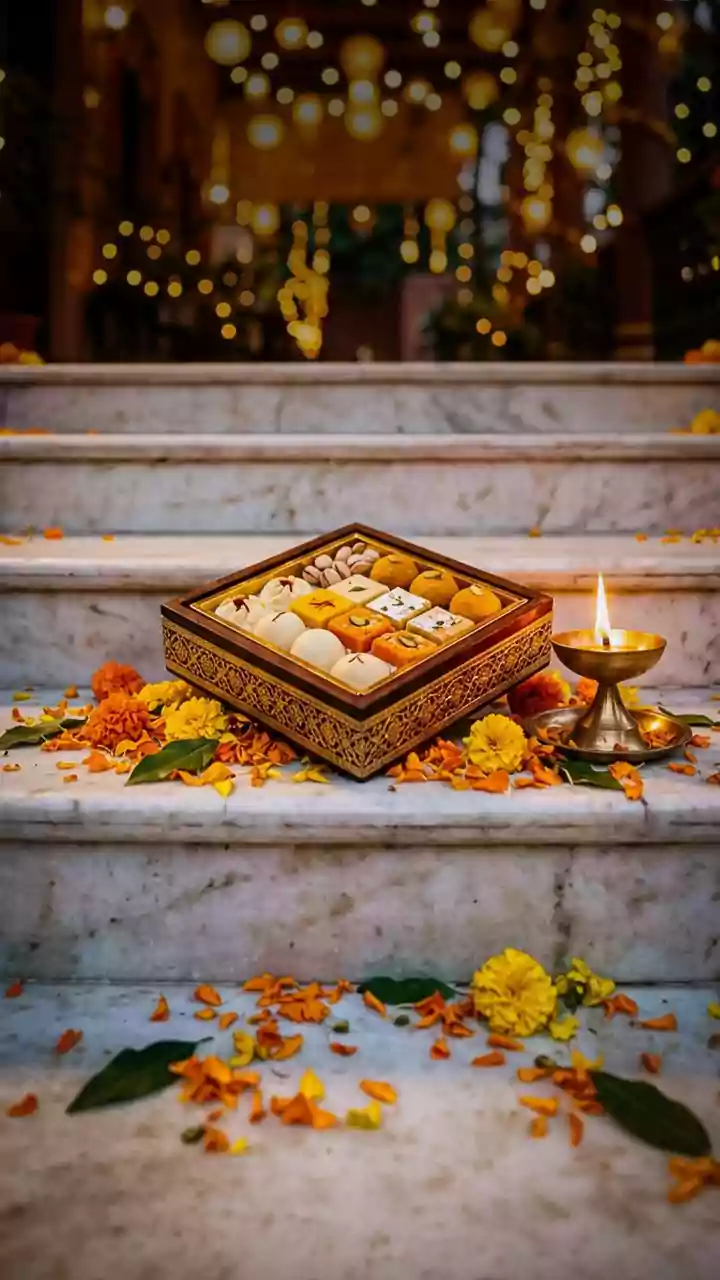


The festive season in India is a symphony of lights, laughter, and ladoos. But for many, the abundant spread of sweets brings a familiar anxiety about blood sugar. The good news? It doesn't have to be a choice between total restriction and overindulgence.
The All-Or-Nothing Trap
For anyone managing their blood sugar, festivals can feel like a minefield. Many adopt a strict 'no sweets' policy. While well-intentioned, this all-or-nothing approach often backfires. Complete deprivation can intensify cravings, leading to a moment of weakness where one ends up consuming far more than intended. This cycle of restriction followed by guilt-ridden bingeing is not only ineffective for blood sugar control but also mentally exhausting. It can take the joy out of celebrations, creating social awkwardness when you have to refuse every offering from a well-meaning relative. The key isn't to banish sweets but to learn how to include them in a smart, balanced way that honours both your health and the festive spirit.
Mindful Indulgence is Your Superpower
Instead of mindlessly finishing a whole kaju katli in seconds, practise mindful indulgence. This means paying full attention to the experience of eating. Take a small piece of the sweet. Look at it, smell it, and then take a small bite. Chew slowly, savouring the texture and flavour. By doing this, you engage all your senses, which enhances satisfaction. Often, you'll find that a few mindful bites are more fulfilling than a large portion eaten in a rush. This technique helps you listen to your body's cues for fullness, preventing overconsumption and the subsequent sugar spike. It turns a moment of potential anxiety into one of pure, controlled enjoyment.
Smart Swaps for Healthier Sweets
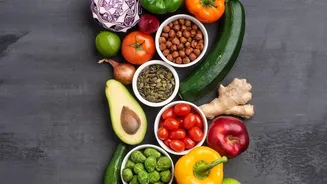
The kitchen is your best ally during the festive season. Store-bought sweets are often loaded with refined sugar and unhealthy fats. Preparing sweets at home gives you complete control over the ingredients. Swap refined white sugar for natural alternatives like pureed dates, figs, or a small amount of jaggery, which have a lower glycemic impact. You can also explore plant-based sweeteners like stevia. Instead of using refined flour (maida), opt for nutrient-dense alternatives like almond flour, coconut flour, chickpea flour (besan), or whole wheat flour. Think of making a date-and-nut ladoo, a baked sandesh using minimal sweetener, or a fruit-based kheer. These small changes can make a huge difference to the nutritional profile of your favourite treats.
Timing and Pairing Matter
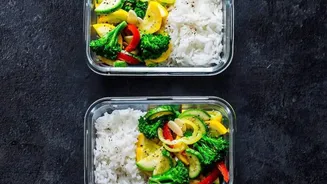
When you eat your sweet is just as important as what you eat. Never eat sweets on an empty stomach, as this causes a rapid and sharp increase in blood glucose levels. The best time to indulge is after a balanced meal rich in protein, fibre, and healthy fats. The fibre and protein slow down the absorption of sugar into the bloodstream, leading to a more gradual and manageable rise. So, enjoy your main course of dal, sabzi, and whole grains first. Think of the sweet as the finale to your meal, not a standalone snack. Also, stay hydrated with water or unsweetened drinks, and avoid sugary beverages that add to your sugar load.
Master Portion Control Without Guilt
Portion control is fundamental to managing blood sugar, but it doesn't have to feel restrictive. Instead of taking a whole piece of barfi, ask for or cut a smaller piece. Sharing is another great strategy; you can split a gulab jamun with a family member to enjoy the taste without consuming the whole portion. When faced with a buffet of options, scan everything first and then choose the one or two sweets you truly want to eat. Limiting your choices helps prevent the 'I must try everything' mindset. By planning your indulgence and keeping portions small, you can participate in the festive feasting without derailing your health goals.
Get Moving to Help Your Muscles
A simple yet highly effective way to counteract the effect of festive treats is to stay active. Physical activity helps your muscles use up the glucose from your bloodstream for energy, which naturally helps lower blood sugar levels. You don't need an intense workout session. A simple 15-20 minute walk after a meal can work wonders. Instead of sitting on the sofa after eating, suggest a family stroll around the neighbourhood to look at the festive lights. It’s a great way to bond with family while also actively managing your health. Consistent light activity throughout the festive period can make a significant cumulative impact.