








A Policy with a Purpose
The recently approved Delhi Electric Vehicle (EV) Policy, effective July 1, 2026, is not just an update; it's a strategic escalation in the city's war on air pollution. With a staggering budget of around ₹15,000 crore, the policy's primary goal is to
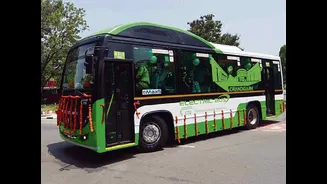
accelerate EV adoption and drastically cut down vehicular emissions. According to the government, two-wheelers, three-wheelers, and commercial goods carriers are responsible for a significant chunk of pollution—46% and 33% respectively. Consequently, the policy was intentionally designed to target these specific segments. The objective is not merely to encourage a general shift to electric but to strategically convert the vehicle categories that contribute most to the city's air quality crisis, aiming for EVs to constitute 95% of all new vehicle registrations by 2027.
Following the Money: How Incentives Were Stacked
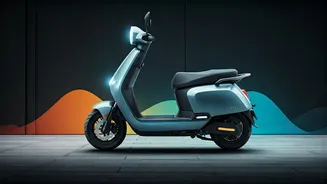
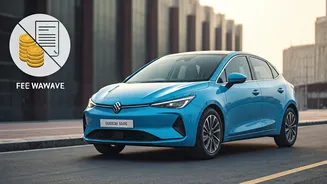
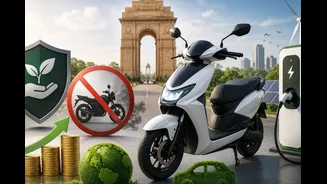
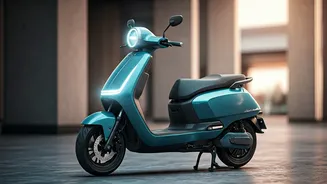
The dominance of two-wheelers in the first year is a direct consequence of the policy's financial architecture. The incentives are heavily skewed to make electric two-wheelers an economically irresistible choice. In the first year, buyers of new electric two-wheelers receive a direct purchase incentive of ₹30,000. This is complemented by a ₹10,000 scrapping incentive for trading in an old petrol-powered vehicle. For electric three-wheelers, the purchase incentive is even higher at ₹50,000. In stark contrast, electric four-wheelers do not receive a direct purchase subsidy. Instead, their incentives are focused on a full waiver of road tax and registration fees, and a potential scrapping incentive of ₹1 lakh, which is limited to the first 100,000 buyers and requires scrapping an older car. This structure makes the upfront cost reduction far more dramatic for two-wheelers, a segment where purchase price is a critical decision-making factor.
The Numbers Don't Lie
The strategy has translated into clear results on the ground. Data from research and advisory think tank Envirocatalysts shows that of the 4.30 lakh registered EVs in Delhi, nearly 1.70 lakh—or almost 40%—are electric two-wheelers. This trend has been accelerating, with a record 20,239 electric two-wheelers registered in the first five months of 2026 alone. While the overall EV penetration in Delhi hit 11% of new vehicle registrations, the push in the two-wheeler category is the most significant driver. The policy's focus is so sharp that it mandates a complete halt to the registration of new petrol and CNG-powered two-wheelers from April 1, 2028, effectively making the segment all-electric. A similar mandate for three-wheelers will kick in even earlier, on January 1, 2027.
Fuelling the Gig Economy
Beyond individual commuters, a massive and often overlooked driver of the two-wheeler boom is the gig economy. Food delivery, e-commerce, and quick-commerce riders form a vast fleet that covers extensive daily distances. The running cost of an electric scooter is a fraction of its petrol counterpart, making the switch a financial no-brainer for these high-mileage users. The Delhi Motor Vehicle Aggregator and Delivery Service Provider Scheme, introduced in 2023, specifically targets this sector, mandating a phased transition to 100% electric fleets by 2030. This regulatory push forces fleet operators and aggregators to invest in electric two-wheelers, amplifying the sales numbers significantly. However, a key challenge remains: ensuring this transition doesn't unfairly burden the gig workers themselves, who often face higher interest rates for EV loans and worries about charging downtime impacting their earnings.
The Road Ahead for Cars and Charging
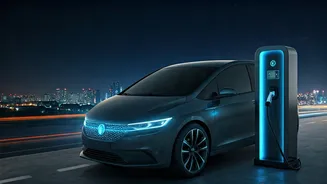
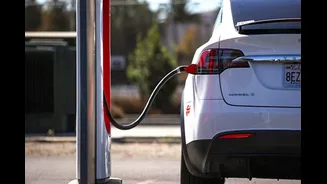
While the focus on two-wheelers has been a resounding success, the path for electrifying four-wheelers is more complex. The lack of direct purchase subsidies, combined with higher initial costs and a still-developing public fast-charging network, has made the transition slower for car owners. Auto unions have pointed out the significant price difference between conventional and electric models, a concern that extends from three-wheelers to four-wheelers. Looking ahead, the government plans to install 32,000 new charging points over the next four years to address infrastructure gaps. The first year of Delhi's EV policy successfully targeted the low-hanging fruit with precision. The challenge for the coming years will be to replicate this success in other vehicle segments, particularly private cars, to achieve a truly comprehensive electric transition.