





A Global Stamp of Approval
The Prix Versailles is an annual architecture and design award presented in association with UNESCO, recognizing the world's most remarkable structures. Categories span everything from museums and hotels to airports and, of course, passenger stations.
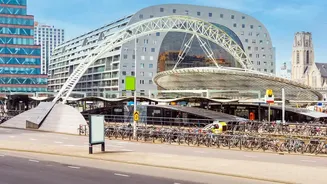
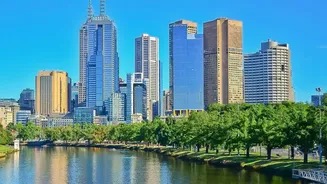
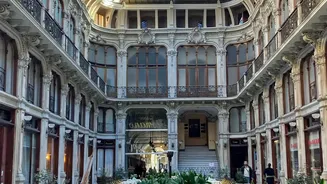
Being named to the 'World's Most Beautiful' list is a significant honor, placing Riyadh's public transport infrastructure on the same global stage as architectural marvels in cities like Melbourne, Rome, and Los Angeles, which also had stations on the 2026 list. The award focuses not just on aesthetics but on innovation, cultural integration, and sustainability, celebrating projects that enrich their environment. For Riyadh, this recognition is a powerful symbol of its evolving identity.
The Honoured Stations: A Closer Look
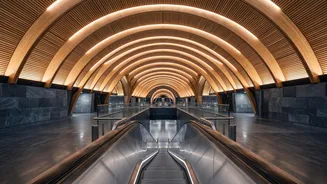
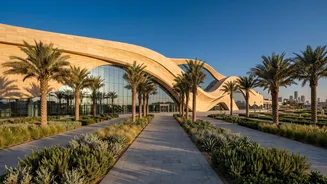
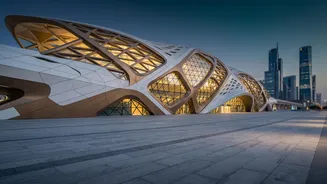
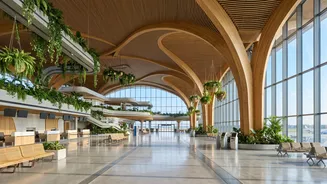
The two laureates are the National Museum Station and the Western Station. Each was praised for its unique blend of heritage and forward-thinking design. The National Museum Station, designed by Arup, features a striking lattice facade inspired by the nearby Tuwaiq Mountain. Its design incorporates traditional Najdi-inspired triangular openings that reveal a glowing blue interior, creating what the prize jury described as the feeling of stepping inside the crystal of a geode. The Western Station, by Omrania, draws inspiration from desert dunes with its undulating roofline. It's designed to be more than a transit hub, creating a local ecosystem with shops, a mosque, and public spaces that foster community.
Architecture as a Statement
These stations are not just functional points on a map; they are architectural statements. The Riyadh Metro project, a massive undertaking with 85 stations spanning 176 kilometers, was conceived as a city-wide art gallery and a showcase of cutting-edge design. Other notable stations in the network, though not on this specific list, include the King Abdullah Financial District (KAFD) Station by Zaha Hadid Architects, known for its fluid, dune-like forms, and the Qasr Al-Hokm station by Snøhetta, which blends modern materials with traditional mud-brick fortress aesthetics. This commitment to high-concept design throughout the metro system transforms the daily commute into a cultural experience, demonstrating how infrastructure can elevate public life.
Building a Vision for the Future
This international recognition is a direct result of Saudi Arabia's Vision 2030, a sweeping plan to diversify the economy and modernize the country. A key part of this vision involves transforming Riyadh into a more sustainable, connected, and livable global city. Ambitious architectural and infrastructure projects are central to this goal. The Riyadh Metro system is one of the cornerstones of this plan, designed to alleviate traffic congestion, reduce carbon emissions, and connect the sprawling capital in an efficient, aesthetically pleasing way. The Prix Versailles acknowledgment validates this approach, highlighting that the world is taking notice of the Kingdom's investment in quality of life and innovative urbanism.