







The Antioxidant Power of Cocoa
At the heart of cocoa's skin-enhancing abilities are its powerful antioxidants, particularly flavonoids and polyphenols. These compounds are your skin's defenders against oxidative stress caused by environmental aggressors like UV radiation and pollution.
By neutralizing harmful free radicals, these antioxidants help protect skin cells from damage, which in turn can reduce the signs of premature ageing like fine lines and wrinkles. Furthermore, studies suggest that cocoa can help improve blood circulation to the skin, leading to a healthier, more radiant complexion. It also possesses anti-inflammatory properties, which can help soothe redness and irritation, making it beneficial for a range of skin types.
Why A Mild Formula Is Key
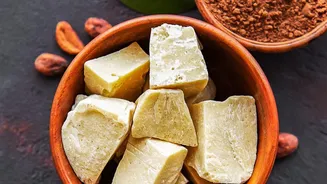
The headline's advice to keep the formula 'mild' is crucial. A mild skincare product is one that respects the skin's natural barrier. It avoids harsh chemicals, fragrances, and other common irritants that can strip the skin of its natural oils. When it comes to cocoa, this means differentiating between its various forms. Raw cacao or cocoa powder, which is rich in antioxidants, is different from cocoa butter, which is the fatty component. While deeply moisturizing, cocoa butter is also comedogenic, meaning it can clog pores, especially for those with oily or acne-prone skin. A mild approach means using non-comedogenic cocoa extracts or using cocoa powder in balanced DIY recipes, rather than applying heavy butters directly to the face. A good formula works with the skin's natural pH and supports its barrier, not overpowers it.
Decoding Product Labels
When shopping for cocoa-based skincare, the ingredient list is your best friend. Look for products that list 'Theobroma Cacao (Cocoa) Seed Extract' high on the list, as this indicates a potent dose of antioxidants without the pore-clogging properties of pure butter. For a formula to be considered mild, it should also be free from common irritants like sulfates, parabens, and synthetic fragrances. Instead, look for complementary ingredients that soothe and hydrate, such as hyaluronic acid, glycerin, aloe vera, or chamomile extract. If a product contains cocoa butter, it's best suited for dry skin on the body rather than the face, unless you have very dry skin and are not prone to breakouts. Remember, a shorter, simpler ingredient list is often a sign of a gentler product.
Simple, Gentle DIY Cocoa Masks
Creating your own mild cocoa treatment at home is simple. The key is to combine pure, unsweetened cocoa powder with other skin-soothing ingredients. For a basic hydrating and antioxidant-rich mask, try mixing one tablespoon of cocoa powder with two tablespoons of plain yogurt and a teaspoon of honey. Yogurt contains lactic acid for gentle exfoliation, while honey is a natural humectant and has antibacterial properties. For a calming and softening mask, combine one-quarter cup of cocoa powder with one-quarter cup of ground oatmeal and about two tablespoons of milk or a dairy-free alternative to form a paste. Apply the mixture to a clean face, leave on for 15-20 minutes, and rinse with warm water. Always perform a patch test on a small area of your skin first to ensure you don't have a reaction.
A Word of Caution
While cocoa is generally safe for topical use, allergic reactions, though rare, can occur. These might present as a rash or contact dermatitis. This is another reason why a patch test is always recommended before applying any new ingredient or product to your entire face. The stimulating properties of cocoa come from compounds like theobromine and a small amount of caffeine. These are great for boosting circulation but could be too much for extremely sensitive or reactive skin. If you have a known allergy to chocolate or the cocoa plant, you should avoid using it in your skincare. By starting with mild formulations and listening to your skin, you can safely enjoy the luxurious benefits of cocoa.