



Remove Non-Vegetarian Foods
The first and most fundamental rule for a Sawan-ready kitchen is the complete removal of non-vegetarian items. This includes all forms of meat, fish, and eggs. The fasts observed during this month are based on a sattvic diet, which is considered pure,
light, and conducive to a calm mind. To avoid any cross-contamination, thoroughly clean the shelves, utensils, and containers that previously held these items. This practice is about more than just diet; it’s about creating a spiritually pure environment for your vrat cooking.
Say Goodbye to Onion and Garlic
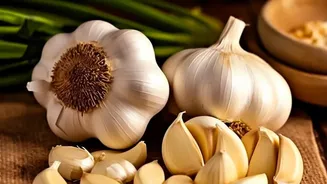
One of the most well-known Sawan restrictions is the avoidance of onion and garlic. According to Ayurveda, these ingredients are classified as rajasic and tamasic, meaning they are believed to stimulate passion and ignorance, distracting the mind from spiritual focus. Before Sawan begins, find a separate, cool, and dry place to store them away from your main cooking area to prevent accidentally using them in your vrat meals. This simple separation helps maintain the sattvic nature of your fasting food.
Swap Your Salt
During Sawan fasting, regular iodized table salt is strictly avoided. Instead, the kitchen must be stocked with Sendha Namak, or rock salt. This unrefined, pure form of salt is considered appropriate for religious fasts. Keep a dedicated jar of Sendha Namak on your counter and put the regular salt away. This switch is essential for almost every savoury vrat recipe, from potato curry to sabudana khichdi, ensuring your meals align with fasting traditions.
Rethink Your Grains and Flours
Your everyday staples like wheat flour (atta), regular rice, and lentils (dals) are not consumed during Sawan fasts. Plan your kitchen by stocking up on vrat-friendly alternatives. These include kuttu (buckwheat flour), singhara (water chestnut flour), and rajgira (amaranth flour). For rice, the substitute is samak rice (barnyard millet). Dedicate airtight containers to these special flours and grains to keep them fresh and easily accessible.
Reorganise Your Spice Box
Many common spices are also restricted. Turmeric, hing (asafoetida), mustard seeds, and garam masala are generally avoided. Your fasting spice box should instead feature spices like cumin (jeera), black pepper, green cardamom, cinnamon, and cloves. Fresh ginger and green chilies are also permitted and add flavour to meals. Taking the time to create a separate, smaller spice box for the month can prevent mix-ups and make daily cooking more efficient.
Avoid Certain Vegetables
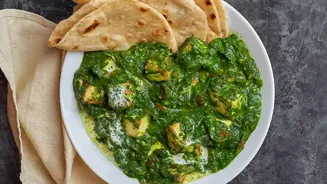
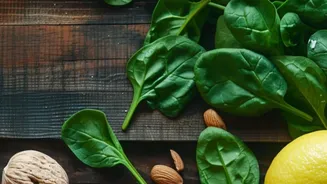
While many vegetables are allowed, some are traditionally avoided during Sawan. Leafy green vegetables like spinach are often excluded, partly because the monsoon season makes them prone to insects and contaminants. Brinjal (eggplant) is another vegetable that is often left out of Sawan meals. Stock up on vrat-friendly vegetables like potatoes, sweet potatoes, pumpkin, bottle gourd (lauki), and arbi (colocasia).
Use Permitted Oils and Ghee
Heavy seed oils with strong aromas, such as mustard oil, are typically avoided. The preferred cooking medium during Sawan fasting is pure desi ghee or, in some traditions, peanut oil. Ghee is considered sattvic and is used in both cooking and for lighting diyas during prayers. Ensure you have a sufficient supply of pure ghee for your fasting preparations. This not only adheres to tradition but also adds a distinct, rich flavour to vrat dishes.
Create a Dedicated Fasting Shelf
To make life easier and prevent mistakes, create a dedicated shelf or corner in your kitchen for all Sawan fasting ingredients. This ‘vrat pantry’ should hold your fasting flours, samak rice, sabudana, makhana (fox nuts), sendha namak, and approved spices in clearly labelled jars. This simple organisational trick saves time, reduces mental clutter, and ensures that you or anyone else cooking in the kitchen can easily identify the correct ingredients to use for fasting meals.
Steer Clear of Packaged and Processed Foods
Fasting is a time for simple, fresh, homemade food. Avoid packaged snacks, chips, and processed foods, even if they are labelled as ‘vrat-friendly’. Many contain preservatives, regular salt, or other ingredients not suitable for a sattvic diet. Preparing snacks like roasted makhana, fruit chaat, or dry fruit laddoos at home ensures your food remains pure and healthy.
Abstain from Alcohol and Stimulants
Sawan is a month of detoxification for both the body and mind, which means alcohol is strictly prohibited. Many devotees also choose to avoid stimulants like coffee. These substances are believed to agitate the mind and interfere with the goal of achieving spiritual calm and focus. Instead, stay hydrated with water, milk, buttermilk, and fresh fruit juices.