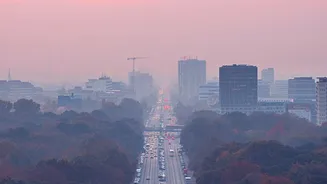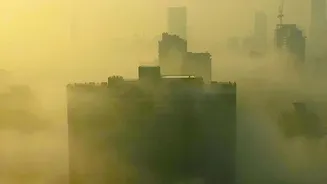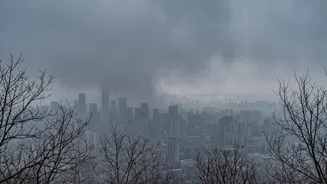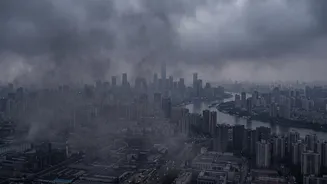





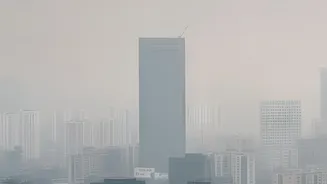
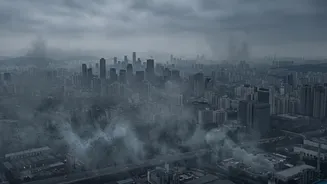
As November unfolds, a thick, hazy smog has once again descended upon Delhi, with air quality plummeting to 'Very Poor' levels. This annual health crisis requires immediate action to protect yourself and your family from dangerous pollutants.
Understanding the 'Very Poor' Air Alert
As of November
12, 2026, Delhi's Air Quality Index (AQI) has settled into the 'Very Poor' category, with an average reading of 313. An AQI between 301 and 400, as defined by the Central Pollution Control Board, can lead to respiratory illness on prolonged exposure. The primary pollutant of concern is PM2.5 — fine particulate matter so small it can penetrate deep into the lungs and enter the bloodstream. Hospitals across the Delhi-NCR region have already reported a rise in patients with breathing difficulties, persistent coughs, and other respiratory issues, especially after the recent Diwali festivities. Authorities have responded by implementing Stage III of the Graded Response Action Plan (GRAP), a set of emergency measures to curb pollution.
The Health Risks of Breathing Toxic Air
Exposure to high levels of PM2.5 is linked to a host of health problems. In the short term, you might experience coughing, wheezing, shortness of breath, chest tightness, and irritation in the eyes and throat. For healthy individuals, these symptoms can appear within just a few hours of exposure. However, the long-term risks are far more severe. Chronic exposure to fine particulate matter is associated with an increased risk of developing serious conditions like asthma, chronic obstructive pulmonary disease (COPD), heart attacks, strokes, and even lung cancer. These pollutants can also weaken the immune system, making individuals more susceptible to infections.
Who is Most Vulnerable?
While toxic air is harmful to everyone, certain groups are at a significantly higher risk. This includes children, whose lungs are still developing; the elderly; pregnant women; and individuals with pre-existing heart or lung conditions like asthma or COPD. Doctors strongly advise that people in these vulnerable categories take extra precautions and stay indoors as much as possible. It is crucial for those with existing conditions to continue their prescribed medications and consult a doctor if their symptoms worsen.
Your Indoor Safety Guide
On 'bad-air days', your home should be a safe haven. The most important step is to keep doors and windows firmly closed to prevent polluted air from entering. If you have an air purifier with a HEPA (High-Efficiency Particulate Air) filter, run it continuously, especially in rooms where you spend the most time, like the bedroom. HEPA filters are effective at capturing tiny PM2.5 particles. Avoid activities that can worsen indoor air quality, such as smoking or burning incense. When cleaning, opt for wet mopping instead of sweeping to avoid kicking up settled dust. Using exhaust fans in kitchens and bathrooms can also help vent indoor pollutants.
When You Absolutely Must Go Outside
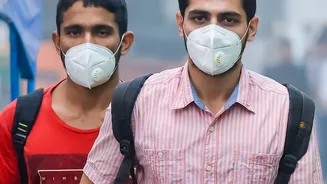
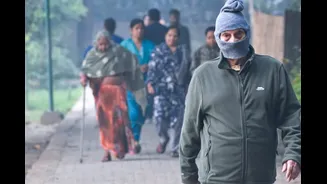
If you must venture outdoors, timing is everything. Pollution levels are often highest in the early morning and late evening when cooler air traps pollutants closer to the ground. Check real_time AQI levels on an app or government website and try to plan essential trips for times when the air quality is relatively better, often in the late morning or afternoon. Most importantly, wear the right mask. Simple cloth or surgical masks offer little protection against PM2.5. A well_fitted N95 or N99 mask is essential, as they are designed to filter at least 95% and 99% of fine airborne particles, respectively. Ensure the mask creates a tight seal around your nose and mouth. Also, avoid strenuous activities like jogging or cycling outdoors, as this increases the volume of polluted air you inhale.