






A Tale of Two Growth Speeds
The latest figures for India's core industries, which act as a barometer for the country's economic health, paint a picture of uneven momentum. For June 2026, the combined index of nine core industries grew by 5%, a five-month high that suggests healthy
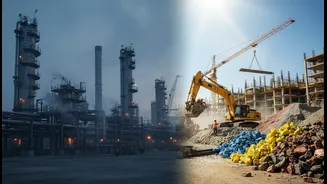
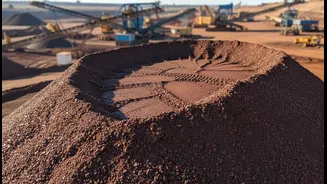
industrial activity. These sectors, now including iron ore, collectively account for over 40% of the Index of Industrial Production (IIP), making their performance critical. However, beneath this headline number lies a clear split. While cement and electricity production surged ahead with impressive growth, the foundational sectors of coal and steel posted more modest, single-digit gains. This divergence isn't just a statistical quirk; it tells a story about where the Indian economy is finding its strength and where it faces headwinds.
Cement and Power: Building the Future
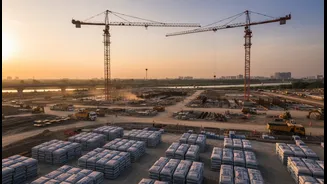
The standout performers have been cement and electricity, both expanding by a robust 9.8% in June 2026. This surge is directly tied to the government's sustained push on infrastructure and a booming housing market. Projects under the National Infrastructure Pipeline and affordable housing schemes like the Pradhan Mantri Awas Yojana (PMAY) are voracious consumers of cement. Similarly, the sharp rise in electricity generation reflects both increased industrial activity and heightened seasonal demand. Economists note that this strong performance in cement and power points to healthy domestic demand and construction activity, which are key drivers of near-term GDP growth. This momentum helped the core sectors achieve a 3.6% expansion for the April-June 2026 quarter, a significant jump from the 1% growth seen in the same period last year.
Steel and Coal: A More Measured Pace
In contrast, steel and coal grew at a much slower rate. Steel production increased by 4.6% in June, a respectable figure but notably lower than its high-flying counterparts. While still benefiting from infrastructure projects, the steel sector's growth appears more moderate, potentially influenced by global price dynamics and a high statistical base from the previous year. Coal production saw an even smaller increase, rising by just 1.4% in June. This sluggishness follows a contraction in May, when output fell by 9.3%. The slower growth in coal could be attributed to several factors, including accumulated stocks at power plants and logistical considerations. While these sectors are expanding, their single-digit growth rates temper the overall optimism from the core index.
What Explains the Divergence?
The split performance can be largely explained by the different demand drivers for each sector. Cement and power are primarily driven by domestic consumption and immediate construction needs. When the government spends on roads, railways, and housing, the demand for these materials rises almost instantly. Steel's demand is also linked to infrastructure but is more intertwined with the private capital expenditure cycle and global market conditions, which can be more cyclical. Meanwhile, sectors like crude oil, natural gas, and fertilisers actually saw their production decline in June, highlighting further pockets of weakness. This multi-speed reality suggests that while government-led infrastructure spending is creating strong pockets of growth, broader industrial recovery may be more gradual and subject to a wider range of economic variables.