







The Climate Challenge on Our Plates
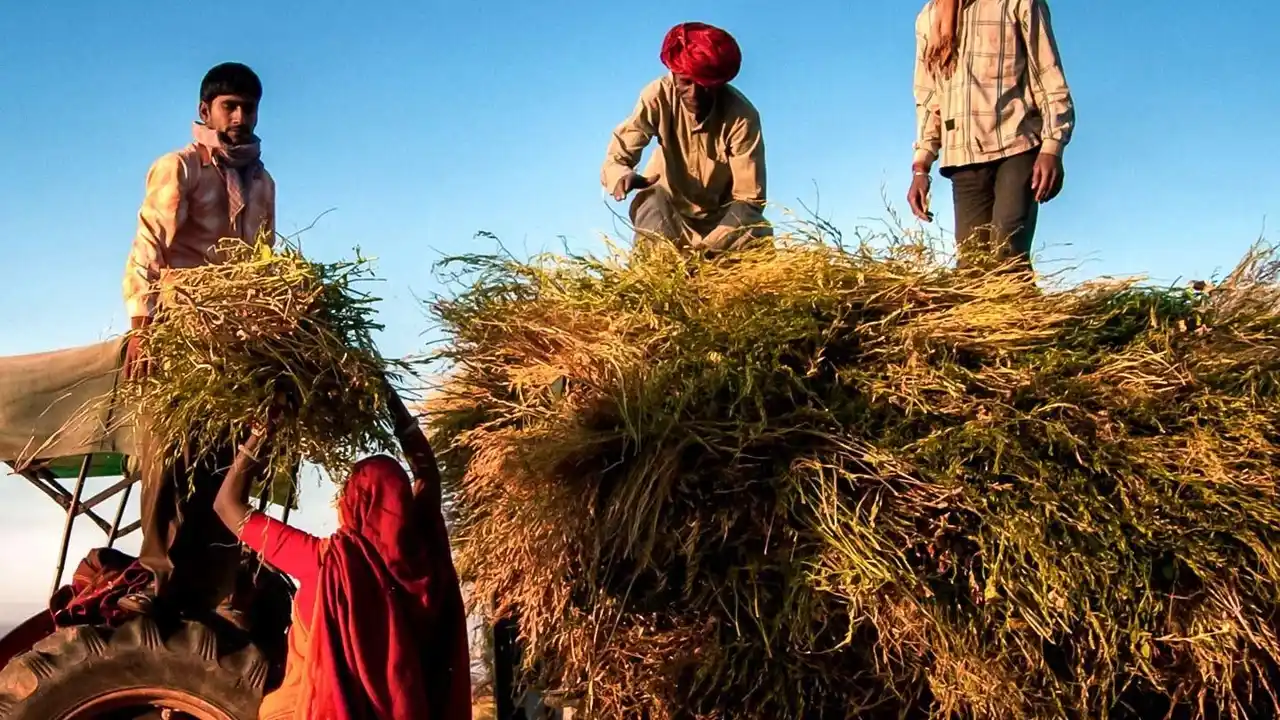
Across India, and especially in states like Maharashtra, farmers are on the front lines of a changing climate. Erratic monsoons, prolonged dry spells, and rising temperatures are no longer abstract threats; they are annual challenges that decimate yields
and threaten livelihoods. Studies show that changing rainfall and temperature patterns are already reducing the productivity of major crops like soybean, cotton, pulses, and wheat. This volatility doesn't just impact farmers; it creates ripples across the entire food system, affecting availability and affordability for every citizen. The need for crops that can withstand these harsh new realities has never been more urgent.
A Powerhouse Partnership
Enter a strategic collaboration designed to tackle this very problem. The partnership brings together Mahatma Phule Krishi Vidyapeeth (MPKV), a leading agricultural university with deep roots in understanding farm-level challenges, and the Bhabha Atomic Research Centre (BARC), a hub of scientific innovation. MPKV provides the agricultural expertise and the network to test and disseminate new crop varieties, while BARC contributes its unique capabilities in nuclear agriculture. This synergy—between field knowledge and advanced lab research—aims to fast-track the development of crops specifically tailored to India’s diverse and challenging agro-climatic zones.
Science on the Farm: How It Works
The core of BARC's contribution is a proven scientific technique called mutation breeding. This is not the same as creating Genetically Modified Organisms (GMOs). Instead of inserting foreign genes, scientists use radiation, like gamma rays, to induce genetic mutations in seeds—essentially speeding up a natural process. From the thousands of mutations that occur, scientists can select the few that exhibit beneficial traits, such as drought tolerance, higher yield, or resistance to diseases. These selected seeds are then cultivated and stabilized over generations. BARC has successfully used this method to develop over 70 new crop varieties in its history, boosting India's food security. The resulting plants are not radioactive and are completely safe for consumption.
For the Farmer: A Shield Against Uncertainty
For a farmer, this programme translates into tangible, field-level benefits that directly impact their income and stability. The new varieties developed through this collaboration are designed to be climate-resilient. This means they can better survive with less water, tolerate higher soil salinity, and resist common fungal diseases that thrive in humid conditions caused by unseasonal rains. Furthermore, many of these crop varieties mature earlier, reducing the risk of being damaged by a late-season drought or storm. Higher and more stable yields mean more predictable income, reducing the crippling debt cycles that often plague agricultural communities. It gives farmers a crucial tool to adapt rather than just endure.
For the Food Reader: Securing Our Supply
While farmers are the direct beneficiaries, the impact of this programme extends to every dining table in India. When crop yields are stable and predictable, so is the supply of essential food items to the market. This helps in controlling the sharp price fluctuations that consumers often face with staples like pulses, oilseeds, and grains. For example, BARC has already developed salt-tolerant rice that allows cultivation in previously non-arable coastal soils and heat-tolerant wheat that protects yields from temperature spikes. By making our agricultural base more resilient, the MPKV-BARC partnership works to ensure national food and nutritional security. It means a more reliable and affordable food supply for a growing population, even in the face of climatic adversity.