


More Than Just a Side
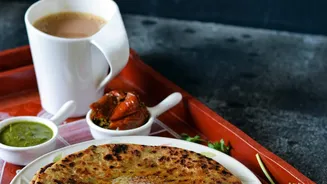
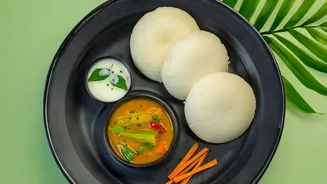
On any given morning in India, millions start their day with a quick, satisfying street-side breakfast. Whether it’s a fluffy idli, a crisp dosa, or a hearty paratha, the meal is incomplete without the assortment of chutneys served alongside. These aren't
mere afterthoughts; they are essential components that provide balance, contrast, and flavour. Coming from the Hindi word 'chatni', meaning 'to lick', their history is rooted in Ayurvedic traditions, where they were used as digestive aids. A good chutney can cut through richness, add a layer of spice, or introduce a cooling freshness, turning a simple meal into a complex and memorable experience. They are the unsung heroes, the flavour bombs that define the entire plate.
The Undisputed Champions
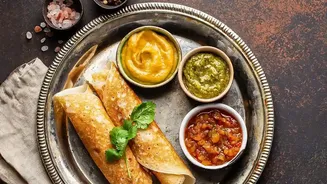
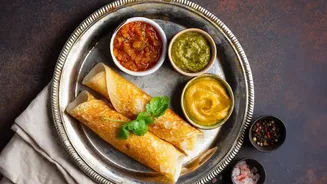
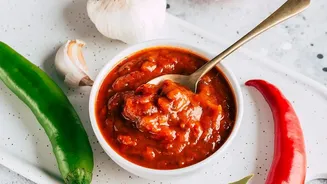
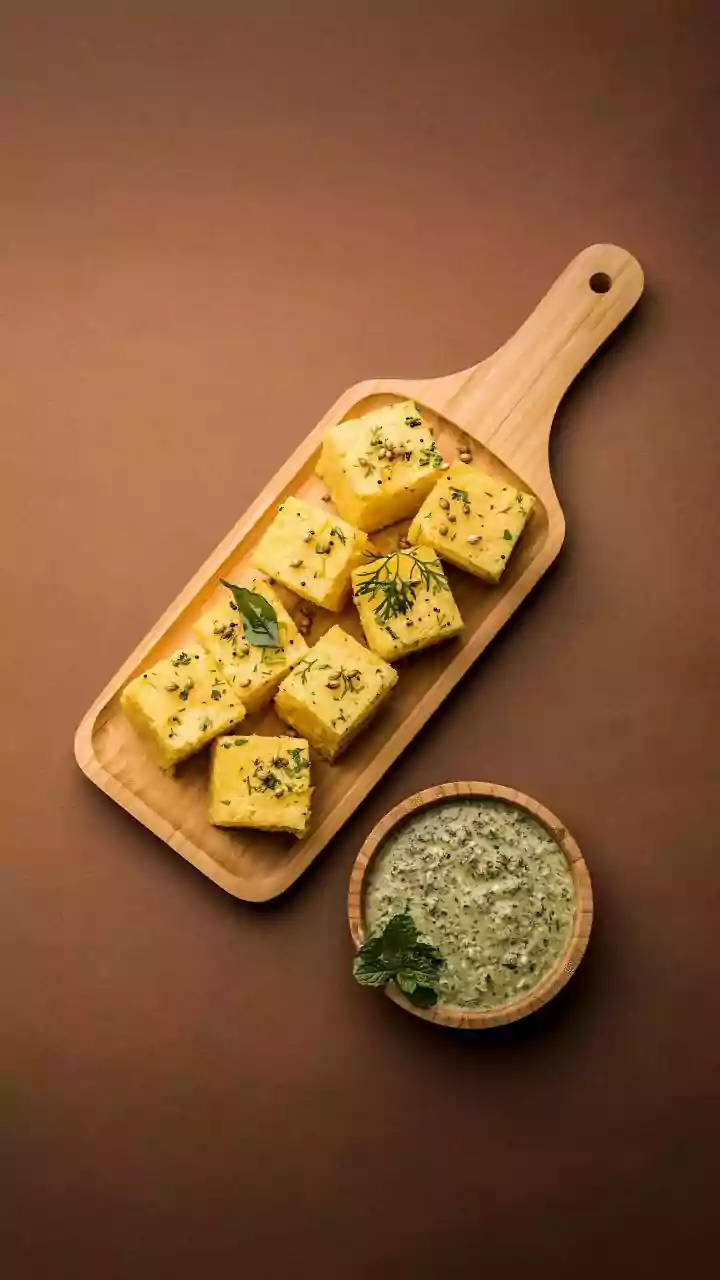
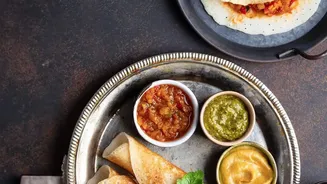
Certain chutneys form the bedrock of the Indian breakfast scene. In the south, the quintessential accompaniment is a creamy coconut chutney. Made from freshly grated coconut, green chillies, and sometimes a hint of ginger or roasted gram dal, it’s a cooling counterpoint to hot sambar. Travel north and west, and you’ll find the ubiquitous mint and coriander chutney (pudina or hari chutney). This vibrant green sauce, zesty with lemon juice, is fresh, sharp, and incredibly versatile, pairing with everything from samosas to sandwiches. Finally, there's the scarlet-hued red chutney, which has countless regional variations. In the south, it might be a fiery blend of chillies, garlic, onion, and lentils, famously spread inside a Mysore Masala Dosa.
The Regional All-Stars
Beyond the big three, a vast world of regional chutneys awaits. In Andhra Pradesh and Telangana, the sour and spicy gongura chutney, made from sorrel leaves, is a local obsession. In Maharashtra, you might find a punchy garlic chutney (lasoon chutney), served dry or wet, that adds a fiery kick. Tamil Nadu restaurants often serve a flavourful tomato chutney, which is tangy, sweet, and spiced with onions and chillies. There are also peanut chutneys, which offer a creamy, nutty alternative to coconut, and various dry chutney powders (podi) that are sprinkled over idlis for an extra layer of texture and taste. Each of these represents a unique regional palate, telling a story about local ingredients and culinary traditions.
The 'Update': Health and Fusion
So, what's new in the world of chutneys? The "update" is twofold: a conscious shift towards health and a playful embrace of fusion. As diners become more health-aware, vendors and home cooks are adapting recipes. This might mean using jaggery instead of refined sugar in sweet chutneys or incorporating nutrient-dense ingredients like beetroot, carrot, or curry leaves. The other major trend is fusion. The fiery kick of Schezwan sauce, once confined to Indo-Chinese restaurants, is now increasingly seen as a chutney option for dosas and idlis, especially in urban centres. Creative cooks are experimenting with everything from avocado-based green chutneys to using chutneys as glazes for grilled paneer or even as a base for pizza sauce, demonstrating their incredible versatility.