






Why Monsoon Heightens Food Risks
The rainy season, while beautiful, is a challenging time for food safety. The surge in humidity provides an ideal environment for harmful bacteria like Salmonella and E. coli to thrive and multiply rapidly. This moisture in the air accelerates the spoilage
of both raw and cooked food. Furthermore, heavy rains can contaminate municipal water sources, increasing the risk of waterborne diseases such as cholera and typhoid. Street food, often prepared in open-air conditions with potentially unsafe water, becomes particularly hazardous. Even at home, damp kitchen surfaces and improperly stored food can become sources of cross-contamination, leading to illnesses like gastroenteritis. According to the Food Safety and Standards Authority of India (FSSAI), the risk of foodborne diseases sees a significant spike during this period, making extra vigilance a necessity.
The Dangers of Stored and Leftover Food
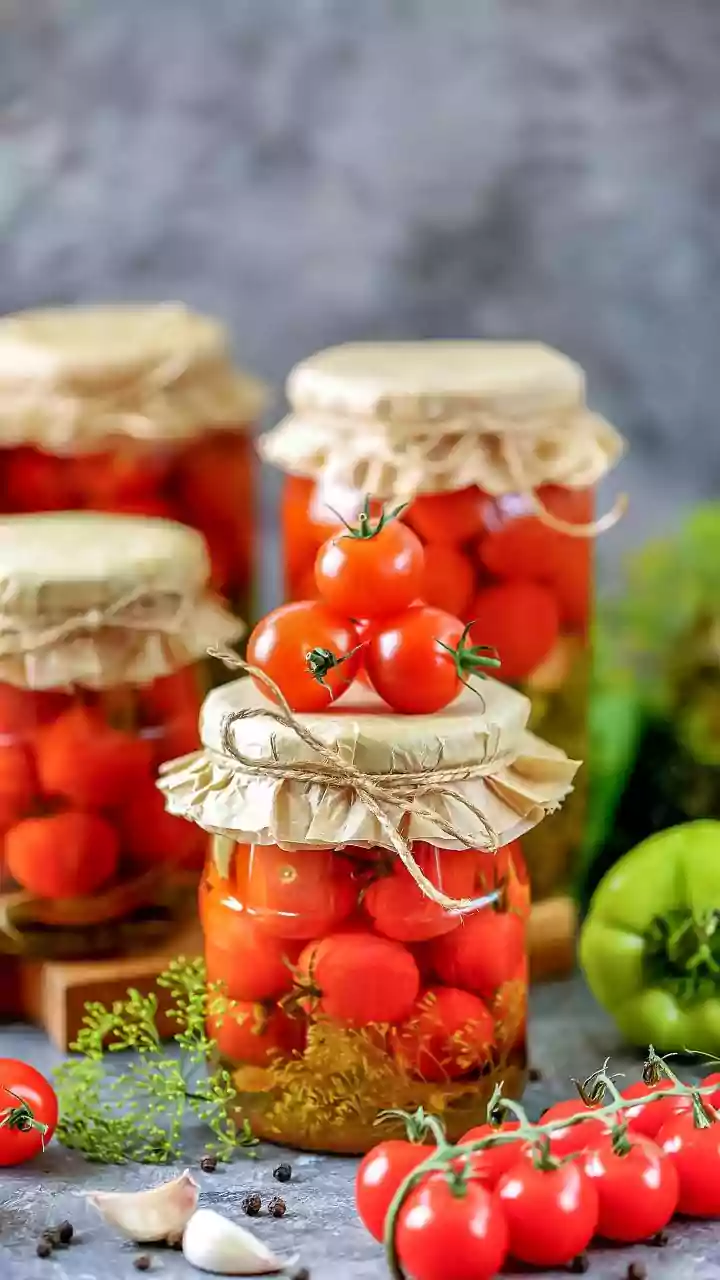
Relying on stored food during the monsoon can be a risky affair. Cooked food left at room temperature for more than two hours enters a 'danger zone' where bacteria multiply quickly. This is especially true in the humid climate of the monsoon. Leftovers, if not refrigerated promptly in airtight containers, can become breeding grounds for mould and bacteria. Even refrigerated food is not entirely safe. FSSAI recommends cleaning refrigerators every two weeks during the monsoon, as condensation and food particles can foster fungal growth. Packaged dry goods can also absorb moisture, leading to spoilage, while fresh produce like leafy greens can harbour hidden dirt and germs that thrive in the damp conditions. Buying produce in smaller batches and storing it correctly is crucial to minimise these risks.
The Superiority of Fresh Cooking
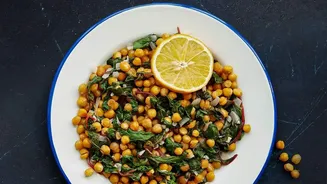
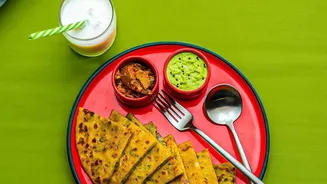
The most effective strategy to combat monsoon-related food risks is to prioritise freshly cooked meals. Cooking food thoroughly to the correct temperature kills most harmful pathogens. When you cook fresh, you have complete control over the ingredients, their cleanliness, and the hygiene of the preparation process. This drastically reduces the chances of contamination that are common with stored, pre-cut, or street foods. Fresh meals are also more nutritious, as vitamins and minerals degrade over time in stored food. A warm, freshly prepared meal is also easier for the body to digest. Digestive issues like bloating and indigestion are more common during the monsoon, and light, well-cooked food can help alleviate these problems. Opting for hot soups, steamed vegetables, and light curries over cold or raw foods is a wise choice for your gut health.
Smart Monsoon Kitchen Strategies
Adopting a few key habits can make your kitchen a safe zone. Always wash your hands thoroughly with soap before and after handling food. Wash all fruits and vegetables under clean, running water. For leafy greens like spinach and cabbage, a soak in salt or vinegar water is recommended to dislodge hidden germs. Use separate cutting boards for raw meat and vegetables to prevent cross-contamination. Be extra cautious with water; boil or filter all drinking water. When it comes to ingredients, buy vegetables in smaller, more frequent batches rather than stocking up. Finally, ensure your kitchen surfaces are kept clean and dry to prevent bacteria from flourishing in the damp environment.
Immunity-Boosting Foods for the Season
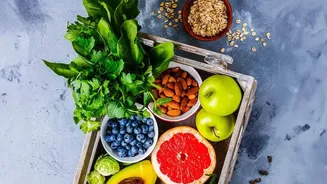
Strengthening your immune system is your body's best defence against seasonal illnesses. Incorporating specific foods into your fresh meals can provide a significant boost. Spices like turmeric and ginger are known for their anti-inflammatory and anti-bacterial properties. Garlic is another powerful immunity booster with antiviral effects. Citrus fruits like oranges and lemons, rich in Vitamin C, are essential for producing infection-fighting white blood cells. Probiotic-rich foods like yoghurt support gut health, which is central to a strong immune system. Also, consider adding seasonal vegetables like bitter gourd (karela) and bottle gourd (lauki), and fruits like pomegranate and papaya, which are packed with essential vitamins and antioxidants.