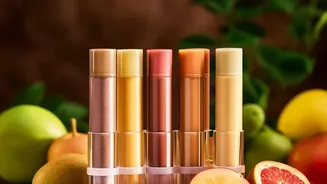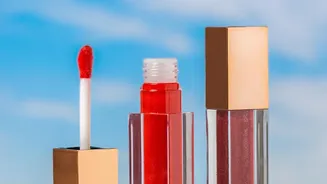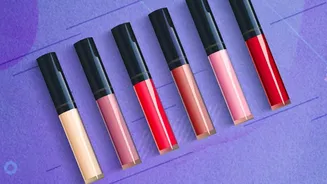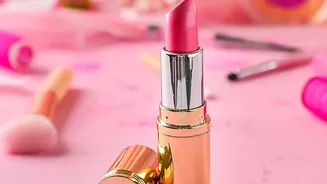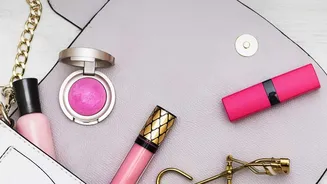

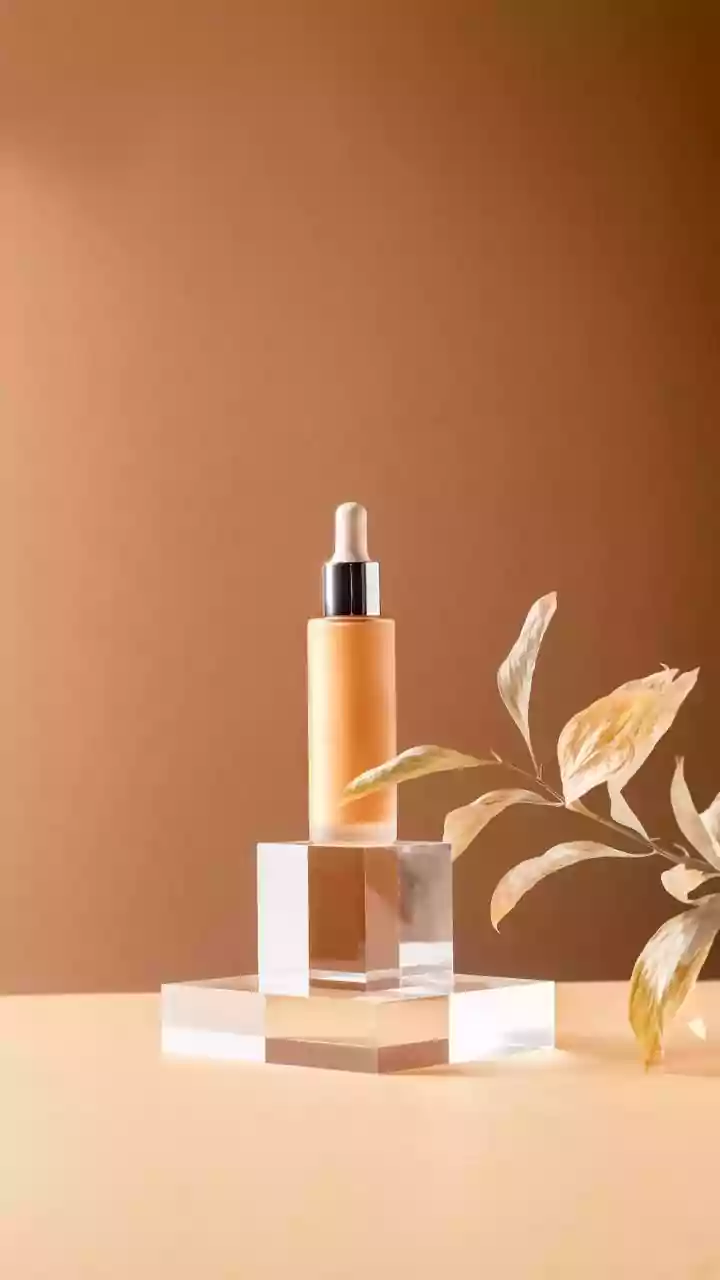


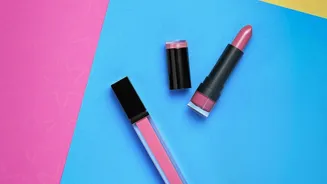
There's a quiet revolution happening in our makeup bags. The era of drying, high-maintenance matte lipsticks is giving way to something softer, shinier, and far more comfortable: lip oils and balms are now the undisputed everyday heroes.
The New Era of Lip Comfort
The shift towards
lip oils and balms is part of a larger trend in beauty known as the 'skinification' of makeup. Today's consumers are more informed and want their cosmetics to do more than just provide colour; they want them to offer tangible skincare benefits. This means makeup products are now expected to be formulated with high-quality, nourishing ingredients that improve skin health over time. Lip products are a prime example of this evolution. After years dominated by heavy, matte liquid lipsticks, there is a collective desire for products that feel as good as they look. The modern lip product is no longer just about aesthetics but about providing hydration, protection, and a comfortable, glossy finish that celebrates natural beauty rather than masking it. This move towards effortless, healthy-looking lips has made oils and balms the go-to choices for daily wear.
Oil vs. Balm: What's the Difference?
While both aim to hydrate, lip oils and lip balms function in distinct ways. A lip balm's primary role is protection. Formulated with occlusive ingredients like beeswax, shea butter, or petrolatum, balms create a physical barrier on the surface of the lips. This barrier locks in existing moisture and shields the delicate skin from environmental aggressors like wind and cold air. Think of it as a protective coat for your lips. Lip oils, on the other hand, are designed for deep nourishment and shine. Typically made from a blend of lightweight, plant-based oils like jojoba, squalane, or sunflower oil, their smaller molecular structure allows them to penetrate the skin more deeply. They deliver hydrating ingredients directly to the lips while providing a non-sticky, high-shine finish that has become incredibly popular. An oil is more like a hydrating serum that leaves a glossy sheen.
More Than Just a Pretty Shine
The benefits of incorporating these products into your routine extend far beyond a glossy finish. The skin on our lips is thinner than on the rest of our face and lacks oil glands, making it highly susceptible to dryness and chapping. Quality lip balms and oils are packed with ingredients that actively repair and support this delicate skin barrier. Look for powerful humectants like hyaluronic acid, which draws moisture into the lips, and ceramides, which help restore the skin barrier. Emollients such as shea butter and castor seed oil soften and smooth the surface. Many formulas also include antioxidants like Vitamin E to protect against environmental damage. Consistent use doesn't just offer temporary relief; it contributes to healthier, more resilient lips in the long run.
From Desk to Dinner: A Lip Wardrobe
The versatility of lip oils and balms is key to their status as everyday staples. They can be used alone for a natural look, or layered to create a custom finish. For a morning commute or a day at the office, a nourishing balm is perfect for providing sustained moisture and protection. Many also contain SPF, which is crucial for preventing sun damage year-round. A swipe of lip oil is ideal for a quick refresh before a meeting, delivering an instant healthy glow without the stickiness of a traditional gloss. For evening plans, a lip oil can be layered over a lip liner or lipstick. This adds a sophisticated shine, prevents the underlying colour from drying out your lips, and makes your lips appear fuller and more dimensional. Having both on hand allows you to adapt your lip care to any situation.
What to Look For (And Avoid)
When choosing a product, reading the ingredient list is more important than ever. For healing and hydration, dermatologists recommend looking for ingredients like petrolatum, shea butter, ceramides, and dimethicone. For sun protection, seek out balms with mineral filters like zinc oxide or titanium oxide. However, some popular ingredients can actually cause irritation, especially on chapped lips. Be cautious with products containing camphor, menthol, or eucalyptus, which can create a tingling sensation that is actually a sign of irritation, not healing. Strong fragrances and certain flavourings like cinnamon, citrus, and mint can also be problematic for sensitive skin. If a product makes your lips burn or sting, it's best to stop using it.