






Beyond Faster Speeds: What is 6G?
Sixth-generation wireless technology, or 6G, is the successor to 5G, with commercial deployment expected around 2030. It promises more than just a speed bump. While 5G enabled faster video streaming and better connectivity for many devices, 6G aims to create
a hyper-connected world. Think of it as moving from a sports car (5G) to a teleportation machine. The technology is expected to deliver speeds up to 100 times faster than 5G's peak, enabling futuristic applications like holographic communication, the 'Internet of Senses' where you can digitally touch and feel things, and vast, intelligent networks of devices that communicate seamlessly. It will operate on higher frequencies, like the terahertz spectrum, and will heavily integrate artificial intelligence to manage networks and enable new capabilities.
The Bharat 6G Vision: A Strategic Shift
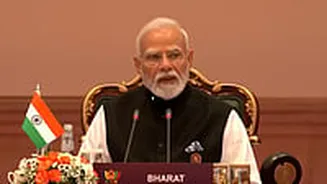
India's approach to 6G is a marked departure from its past. Having been a late adopter of previous network generations, the government is determined to lead the world in 6G. In March 2023, Prime Minister Narendra Modi unveiled the 'Bharat 6G Vision' document, a roadmap to make India a frontline contributor to the design, development, and deployment of 6G by 2030. The mission's core objective is to shift India from being a market for technology to a maker of it, aiming to secure at least 10% of global 6G-related intellectual property. To achieve this, the government established the Bharat 6G Alliance (B6GA), a collaborative platform that unites private companies, academic institutions, and research bodies to drive indigenous innovation.
Latest Development: India Joins Global Alliance
In a significant recent development, India joined a US-led global initiative in early September 2026 to shape the future of 6G. This coalition, which includes 25 other countries like the UK, Japan, and Germany, aims to promote open, secure, interoperable, and resilient networks. The partnership was announced on the sidelines of the G20 Innovation Ministerial in the United States. By joining this group, India ensures it has a seat at the table in high-level government discussions that will set the standards and security frameworks for 6G. This international collaboration complements India's domestic efforts through the Bharat 6G Alliance, linking its national ambitions to the global race to define the next era of connectivity.
The Global Race and India's Position
The push for 6G is a global one, with major economies like the United States, China, South Korea, and Japan investing heavily in research and development. India's strategy is twofold: build domestic capabilities and forge strategic international partnerships. The recent alliance with the US and other nations is a clear move to align with like-minded countries on security and interoperability, a crucial step in a world where technology standards can have geopolitical implications. The government is actively funding research, with over 100 proposals approved and dedicated 6G testbeds established at institutions like IIT Madras to foster innovation. The goal is not only to meet India's domestic needs but also to become an exporter of affordable 6G solutions.
Hurdles on the Horizon
Despite the ambitious vision, the path to 6G leadership is paved with significant challenges. A primary concern is the massive investment required for infrastructure. 6G will necessitate a much denser network of base stations and extensive fiber optic cable connectivity to handle the data loads. With the telecom sector already burdened by the costs of the 5G rollout, securing adequate funding for 6G R&D and deployment will be a major hurdle. Other challenges include the efficient allocation of the new spectrum, ensuring robust cybersecurity measures against AI-driven threats, and bridging the talent gap to develop a skilled workforce capable of building these futuristic networks.