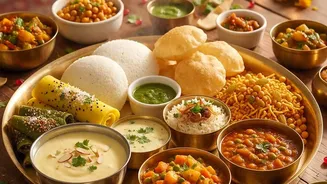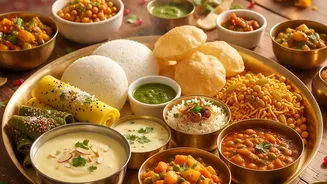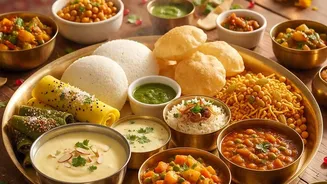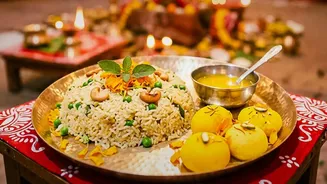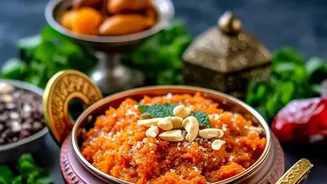

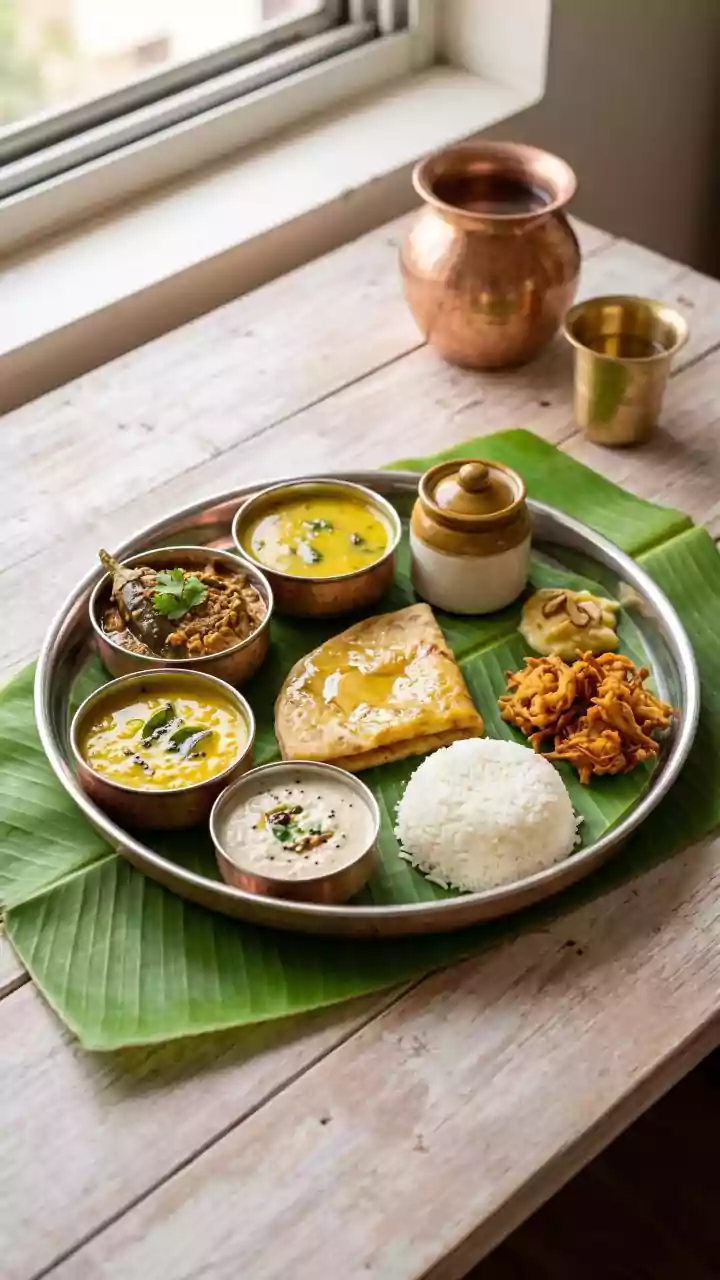


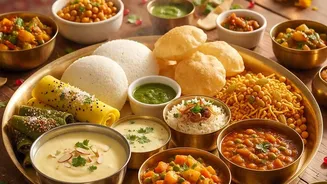
Karwa Chauth, a cherished festival of love and devotion, begins with Sargi, the vital pre-dawn meal. This meal is the only source of sustenance for a day-long fast. Crafting a balanced plate is key to staying energised and comfortable.
The Significance of Sargi
Sargi is more than
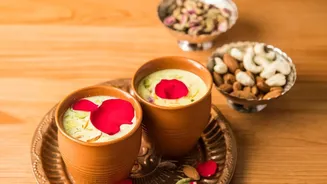
just a meal; it's a tradition steeped in love and blessings, typically prepared by a mother-in-law for her daughter-in-law. It marks the beginning of the 'nirjala' fast, where women abstain from food and water until moonrise, praying for their spouse's long life. The purpose of this meal is to provide enough energy to sustain the body through the demanding hours of fasting. While traditionally it includes items like pheni (sweet vermicelli), mathri, fruits, and sweets, a modern, balanced approach can make the fast healthier and more manageable.
Foundation: Complex Carbohydrates for Sustained Energy
The cornerstone of a fulfilling Sargi is a source of complex carbohydrates, which break down slowly and provide a steady release of energy. This helps prevent the energy spikes and crashes that come with simple sugars. Instead of relying solely on traditional sweets, consider including items like a whole-wheat paratha stuffed with paneer or vegetables, dalia (porridge), or a bowl of oats. These foods are fibrous and will keep you feeling full and energetic for a longer period. Even a multigrain upma can be a great, light alternative.
Power Up with Protein
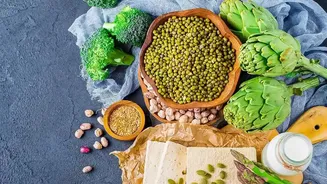
Protein is essential for satiety, helping to keep hunger pangs at bay throughout the day. Including a good source of protein in your Sargi is crucial. Paneer (cottage cheese) is an excellent choice, whether in a paratha stuffing or as a simple bhurji. A bowl of curd (yoghurt) not only provides protein but is also cooling and can help prevent acidity. A handful of nuts like almonds and walnuts are also packed with protein and healthy fats, contributing to a feeling of fullness.
Hydration: The Key to a Comfortable Fast
Since the Karwa Chauth fast is 'nirjala' (without water), pre_dawn hydration is paramount. It's important to drink a few glasses of water after your meal and before sunrise. Incorporating water_rich foods into your Sargi is also a smart strategy. Fruits like bananas, pomegranates, apples, and pears are excellent choices as they provide hydration along with vitamins and fibre. Coconut water is another fantastic option as it helps maintain electrolyte balance. While milk and lassi are traditional hydrating beverages, it's best to avoid tea and coffee, as their diuretic effect can lead to dehydration later in the day.
Fruits and Healthy Fats
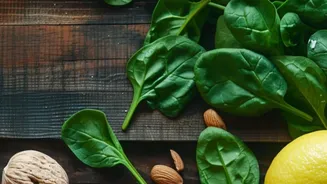
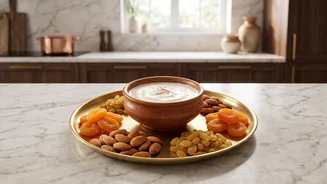
A serving of fresh fruits is a non_negotiable part of a healthy Sargi. They provide natural sugars for an initial energy boost, along with vital nutrients and fibre. A mixed fruit bowl with papaya, banana, and berries is a great addition. Healthy fats, found in nuts and seeds, are also important. About six to eight soaked almonds and a couple of walnuts can provide a feeling of satiety and sustained energy. Dates and dried figs are also good choices in moderation, offering both energy and nutrients.
What to Avoid on Your Sargi Plate
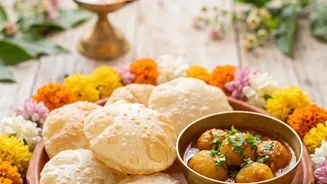
What you don't eat is just as important as what you do. Starting your day with the wrong foods can make the fast much more difficult. It's best to avoid heavily salted foods like pickles and mathri, as they will increase thirst. Deep_fried items such as puris and pakoras can feel heavy and lead to sluggishness and acidity. While traditional sweets are part of the custom, consuming too much sugar can cause a rapid energy crash by mid_morning. Opt for a small portion of a homemade sweet or naturally sweet foods like dates.