


The Problem with Kitchen Chemistry
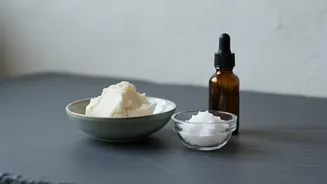
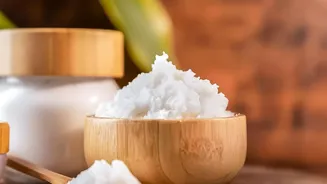
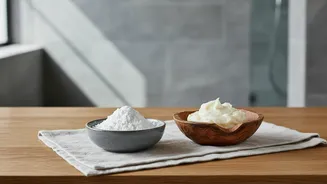
The star ingredient in most do-it-yourself sunscreen recipes is zinc oxide, a mineral powder known to block harmful UV rays. On paper, it seems simple: mix zinc oxide into a base of coconut oil or shea butter, and you have sunscreen. The reality, however,
is far more complex. The core issue, as the headline suggests, is distribution. For a sunscreen to work, its protective particles must form a consistent, uniform film over your skin. Think of it like painting a wall; you need even coverage, not patchy spots. In a kitchen setting, using a whisk or a blender, it's impossible to achieve this. Zinc oxide particles have a natural tendency to clump together. Without specialized industrial equipment like homogenizers to break them up and keep them suspended, you end up with a lotion full of microscopic gaps. To your eyes, the cream might look smooth, but on your skin, it leaves large areas completely exposed to UV radiation.
Why Professional Formulas Are Different
Commercial sunscreens are regulated as over-the-counter drugs, and for good reason. Manufacturers must put their products through rigorous and expensive testing to verify the Sun Protection Factor (SPF) and ensure they provide broad-spectrum protection against both UVA (aging) and UVB (burning) rays. This process involves more than just mixing ingredients. Cosmetic chemists use coated zinc oxide particles that are specifically designed to disperse evenly and not degrade in sunlight. They also use sophisticated binding agents and emulsifiers to create a stable formula that holds the zinc particles in a perfect suspension, ensuring that every drop from the bottle provides the protection stated on the label. This is a level of precision that simply cannot be replicated at home. In fact, when one cosmetic chemist had her own carefully crafted DIY sunscreens professionally tested, the formulas she expected to be SPF 30 and 35 came back with results of just SPF 12 and 8.
The Risks Are More Than Just Sunburn
A patchy, unreliable homemade sunscreen gives you a false sense of security. You might think you are protected, leading you to spend more time in the sun than you would otherwise. The most obvious risk is a painful sunburn, but the dangers run much deeper. Unprotected exposure to UVB rays is a primary cause of skin cancer. Meanwhile, UVA rays penetrate deeper into the skin, causing premature aging, such as wrinkles and sunspots, and also contribute to skin cancer risk. What makes DIY recipes even more hazardous is that many include ingredients that can actively harm your skin. Some essential oils, for example, are phototoxic, meaning they can cause painful skin reactions when exposed to sunlight. Other oils popular in these recipes can actually act like tanning oils, intensifying UV radiation and increasing your risk of getting burned in the unprotected spots.
What the Experts Advise
Dermatologists and organizations like the American Academy of Dermatology are unanimous in their advice: do not use homemade sunscreen. The risks are simply too high, and there is no way to know if your concoction is offering any meaningful protection. Instead of turning to DIY recipes, they recommend seeking out a commercially produced, broad-spectrum sunscreen with an SPF of 30 or higher. If your concern is about the ingredients in chemical sunscreens, there are countless effective mineral-based options available that use zinc oxide and titanium dioxide. These regulated products give you the 'natural' active ingredients you might be looking for, but within a formula that has been scientifically developed and tested for safety and efficacy. Sun protection is a critical health measure, and it's one area where professional expertise is non-negotiable.