




Understanding E10 and E20 Petrol
At its core, the issue is about the percentage of ethanol mixed with petrol. For years, India used E10 fuel, which is a blend of 10% ethanol and 90% petrol. However, to accelerate its goals of reducing oil import dependency, cutting carbon emissions,
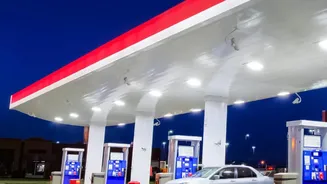
and boosting farmer incomes, the government aggressively pushed for E20, a fuel with 20% ethanol. India successfully achieved its E20 blending target in 2025, five years ahead of its original schedule. This new blend is now the standard fuel available at most petrol pumps across the nation, making it a default for all consumers. The transition is a key part of India's strategy for greater energy security and a cleaner environment.
Why the E10 Question Is Being Revived
The rapid, nationwide switch to E20 has left many owners of older vehicles worried. Cars and two-wheelers manufactured before 2023 were generally designed to be compatible with E10 fuel. Using E20 in these non-compliant vehicles has led to consumer complaints about a noticeable drop in mileage and concerns about potential long-term damage to engine components. Ethanol has different properties than petrol; it can be more corrosive to certain rubber and plastic parts in older fuel systems. These concerns have been significant enough that even the government's Chief Economic Adviser, V. Anantha Nageswaran, has publicly supported making E10 available again as an option to protect the owners of millions of older vehicles.
BPCL's Stance: No Going Back
Despite the growing debate, Bharat Petroleum Corporation Ltd (BPCL), one of India's largest fuel retailers, has clarified its position. After some reports suggested a potential return of E10, BPCL issued a statement saying there is no proposal to replace E20 petrol. The company's chairman, Sanjay Khanna, stated that his remarks were misquoted and that the company remains fully committed to the national ethanol blending programme. BPCL's clarification stressed that large-scale use of E20 over the last few years has not shown evidence of widespread engine damage. However, Khanna also acknowledged that discussions are happening in government circles about providing a lower-blend option for older vehicles, but this would likely be an additional fuel grade, not a replacement for E20.
The Logistical Hurdle of Choice
While providing both E10 and E20 sounds like a simple solution, it presents a massive logistical challenge. India’s fuel distribution network, comprising thousands of retail outlets, pipelines, and storage terminals, has already been reconfigured for E20. Introducing a third grade of petrol nationwide (alongside regular E20 and premium fuels) would require significant investment and could complicate quality control. BPCL's chairman noted that while switching the entire system back to E10 would be simple, supplying both E10 and E20 simultaneously is a far more complex proposition that is still under discussion. One potential workaround being considered is offering E10 through the existing network for premium 95-octane petrol, but no decision has been finalized.
What This Means for Vehicle Owners
For now, E20 remains the standard petrol across India. If you own a vehicle manufactured after April 2023, it is designed to be fully E20 compatible. For owners of older vehicles, the situation is less clear. The primary way to check for compatibility is to look for a sticker on the fuel flap or consult the vehicle's owner manual. While automakers have stated that E20 can be used in older vehicles, they also acknowledge a potential drop in fuel efficiency of around 3-5%. Until a clear policy decision is made on the availability of E10, owners of non-compliant vehicles should remain aware of their vehicle manufacturer's specific guidance and monitor their vehicle's performance closely.