






The Great Migration Beyond Metros
The familiar green aprons of Starbucks and the distinct blue of Blue Tokai are no longer sights reserved for Delhi, Mumbai, or Bengaluru. A significant shift is underway, with major coffee players making a deliberate push into India's Tier 2 and Tier 3
cities. Global giant Starbucks, which aims to operate 1,000 stores in India by 2028, is actively targeting cities like Amritsar, Bhopal, and Surat for its expansion. Homegrown chains are equally ambitious. Barista, one of India's oldest coffee brands, plans to nearly double its footprint to over 800 outlets by 2030, with a strong focus on smaller towns. This trend isn't limited to the giants; specialty brands like Roastery Coffee House have also found success by opening large, experience-focused cafes in cities such as Lucknow and Jaipur.
The Compelling Math of Lower Costs
One of the most powerful drivers of this trend is simple economics. Real estate in Tier 1 cities is notoriously expensive, with high rents compressing profit margins for cafes and restaurants. In contrast, Tier 2 and 3 cities offer a significant cost advantage. Lower property costs allow brands to lease larger spaces, creating the spacious, comfortable environments that have become synonymous with modern cafe culture. Barista's CEO, Rajat Agrawal, has noted that earning profiles are often much better in these smaller cities precisely because store rentals and overall operating costs are in check. This financial breathing room gives companies the flexibility to experiment with formats and invest more in the customer experience without the intense pressure of Tier 1 rental markets.
A New Wave of Aspirational Consumers
The other side of the equation is the customer. For decades, the narrative was that aspirational spending was confined to the metros. That is no longer the case. Residents of cities like Indore, Chandigarh, and Kochi are increasingly online, exposed to global trends, and have rising disposable incomes. There's a growing appetite for premium and lifestyle experiences that were previously only available in larger urban centers. This shift is driven by a younger generation that views coffee not just as a beverage, but as part of a social ritual and a lifestyle statement. They are willing to pay for the experience of a branded cafe—a place to work, socialize, and be seen. This creates a ready-made market for brands looking for new growth frontiers.
More Than Just Coffee: The 'Third Place' Appeal
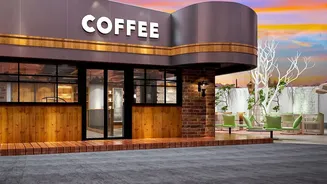
The success of modern coffee chains has never been just about the quality of their espresso. It’s about creating a 'third place'—a welcoming environment away from home and the office. In smaller cities, where public spaces for leisure and co-working might be limited, these cafes fill a crucial gap. They offer reliable Wi-Fi for remote workers, a comfortable spot for students to study, and a safe, modern setting for friends to gather. By providing this versatile environment, brands become integrated into the social fabric of the city. This community-building aspect is particularly strong in smaller towns, where a new cafe can quickly become a local hub, fostering conversation and a sense of connection that is sometimes lost in the anonymity of a megacity.
Navigating the New Frontier
While the opportunity is immense, expanding into smaller cities is not without its challenges. Brands must adapt their strategies to local tastes and consumption habits, which can be very different from those in the metros. Competition isn't just from other national chains, but also from beloved local eateries and tea stalls that are deeply ingrained in the local culture. Some reports even suggest that global brands like Starbucks are rethinking their store formats and pricing to become more efficient and accessible in India's value-driven market. Furthermore, while aspiration is high, the depth of consistent discretionary spending power may not yet match that of Tier 1 cities. Success will depend on striking the right balance between offering a global, aspirational experience and adapting to the unique economic and cultural realities of each new market.