






The Sanctuary Within: Yoga's Daily Calm
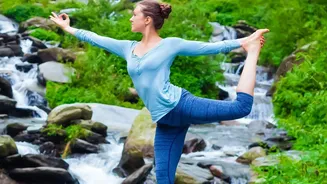
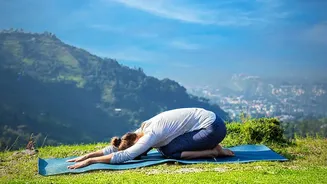
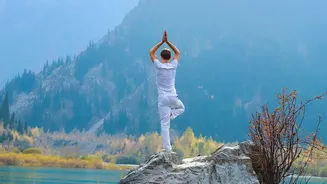
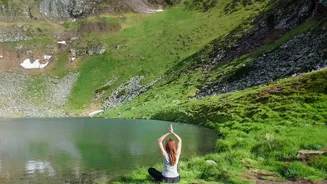
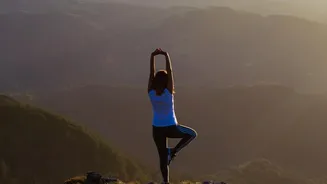
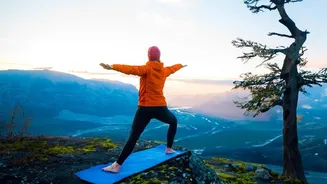
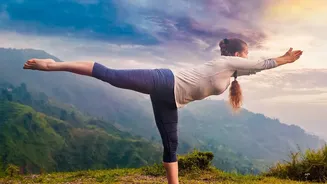
Yoga is a practice of turning inward, a discipline accessible enough to be woven into the fabric of daily life. Its power lies in its simplicity and proximity; all you need is a mat and a quiet corner. This ancient practice combines physical postures,
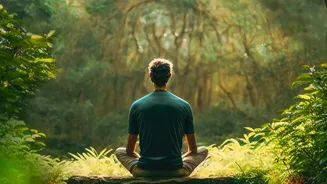
controlled breathing, and mindfulness to create a state of calm. The focus is on the present moment, listening to your body and breath without judgment. This daily ritual helps to activate the body's relaxation response, shifting you out of the chronic fight-or-flight mode that modern life so often triggers. By making it a consistent habit, practitioners can build a reliable internal sanctuary to retreat to, no matter how chaotic the outside world gets.
The Science of Serenity
The feeling of peace after a yoga session isn't just imagined; it's physiological. Studies show that regular practice can lower levels of cortisol, the body's primary stress hormone. Furthermore, yoga has been linked to increased levels of gamma-aminobutyric acid (GABA), a neurotransmitter that helps improve mood and reduce anxiety. By focusing on deep, mindful breathing, yoga helps regulate the nervous system, promoting a sense of balance. It is this mind-body connection that makes yoga such an effective tool for cultivating daily serenity and improving emotional resilience over time.
The Great Escape: Trekking's Digital Disconnect
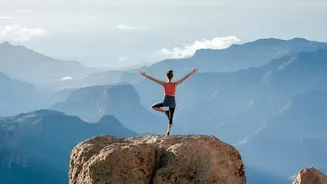
While yoga offers an internal retreat, trekking provides a radical external one. It's an immersive experience that often forces a complete break from the digital world. In remote mountains or dense forests, Wi-Fi signals and phone service fade away, removing the temptation to check emails or scroll through social media. This isn't just about avoiding technology; it's about replacing the rhythm of scrolling with the rhythm of walking. The constant stream of digital information is substituted with the sights and sounds of nature, which demand a different, more mindful kind of attention. This imposed disconnection is what makes trekking a true digital detox, offering a powerful reset for a mentally fatigued mind.
Nature's Restorative Power
Being in nature has a profound healing effect, a concept known as ecotherapy. Studies have shown that spending time in natural environments can reduce stress, improve focus, and boost overall well-being. The physical demands of trekking—navigating terrain and being aware of your surroundings—keep you firmly in the present moment, crowding out digital cravings. This physical exertion also releases endorphins, the body's natural mood elevators. After days spent under natural light and away from the blue glare of screens, many people report deeper, more restorative sleep and a renewed sense of clarity.
A Rhythm for Every Need
Ultimately, yoga and trekking serve two distinct, yet complementary, purposes. Yoga is the daily practice of finding stillness within. It’s a low-barrier, consistent tool for managing everyday stress and maintaining mental balance from the comfort of home. Trekking, on the other hand, is the periodic, deep immersion into an environment free from digital noise. It’s an adventurous reset that offers perspective and a profound sense of disconnection. One builds an inner fortress of calm, while the other provides a total escape from the battlefield of modern distractions. Choosing between them depends on the need of the moment: a quick, daily tune-up or a long-haul system reboot.