


The Real 'Special' Benefit
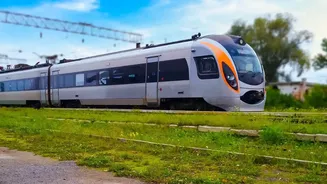
The primary, and often sole, purpose of a 'special' train is to manage the immense passenger rush during peak seasons like Diwali, Chhath Puja, or summer holidays. These trains are not about offering a faster or more luxurious experience; they are purely
about increasing capacity. Indian Railways introduces these services, sometimes called 'Trains on Demand', to ensure more people can secure a confirmed ticket and travel home. Their very existence is a response to the overwhelming demand that regular, scheduled trains cannot possibly meet. So, when you book a special train, you are booking an available seat on a route that would otherwise be sold out—that is the 'special' feature.
The Priority Puzzle
On the complex web of India’s railway network, not all trains are created equal. A strict hierarchy determines which train gets priority on the tracks. Premium, high-speed services like Rajdhani, Shatabdi, and Vande Bharat Express have the highest priority, ensuring they maintain their schedules. They are followed by regular superfast and mail/express trains. Special trains, unfortunately, are at the bottom of this pecking order. Because they are temporary additions to an already packed timetable, they are scheduled in leftover slots and are the first to be sidelined onto a loop line to allow higher-priority trains to pass. This operational reality is a major reason why special trains often run behind schedule and have longer journey times than their regular counterparts.
A Network Under Pressure
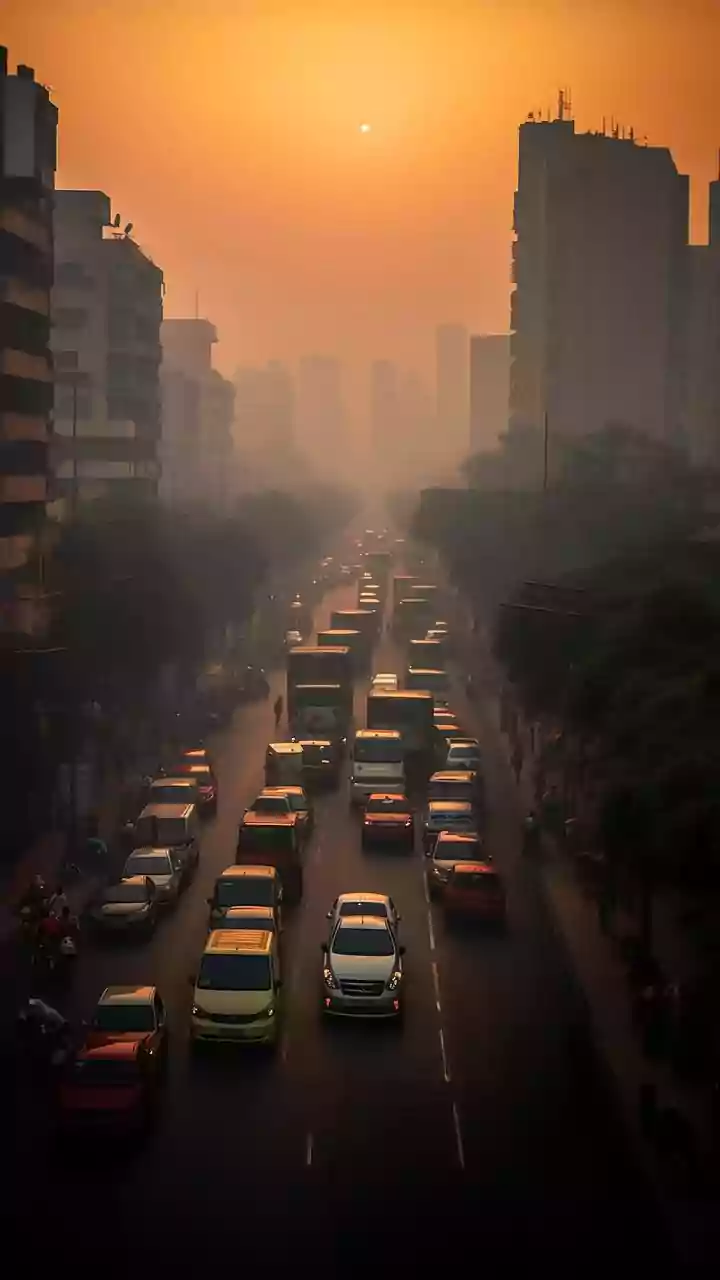
The Indian Railways network is one of the busiest in the world, and many of its key routes operate far beyond their ideal capacity. High-density corridors, which make up only about 16% of the network, handle over 40% of the total train traffic. On many of these routes, the line utilisation is well over 100%, with some sections running at 150% of their designed capacity. This intense congestion means there is very little room to slot in additional services without causing delays. Freight trains and passenger services share the same tracks, creating constant competition for paths. Squeezing a special train into this congested environment means it must navigate around the fixed schedules of thousands of other trains, making a speedy journey nearly impossible. The average speed of even regular trains is impacted by this congestion, a problem that is only amplified for low-priority special services.
Managing Your Travel Expectations
While Indian Railways is working on long-term solutions like adding more tracks (multitracking) and building dedicated freight corridors to ease congestion, these are massive infrastructure projects that will take years to complete. In the meantime, the special train remains a crucial tool for managing seasonal demand. So, what does this mean for you as a traveller? The key is to adjust your expectations. Book a special train for the assurance of a confirmed berth, not for the promise of a swift journey. Pack some patience, allow for potential delays in your onward travel plans, and understand that the train's purpose is simply to get you from point A to point B during the busiest time of the year. The higher fare for these trains, known as a 'special charge', covers the operational costs of running an additional service, not an upgrade in speed or amenities.