




The Himalayas: A Climate Hotspot
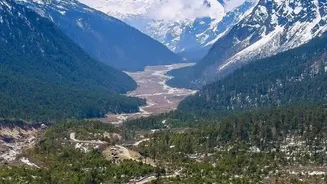
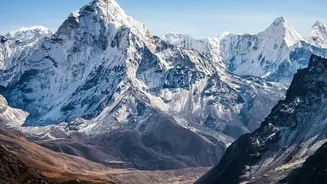
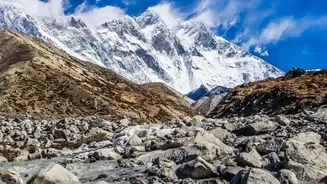
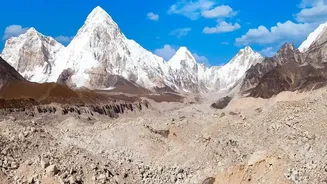
The Hindu Kush Himalayan region, often called the 'Third Pole' for its vast ice reserves, is warming at a rate significantly faster than the global average. This accelerated warming has profound consequences. According to a recent analysis by the World
Weather Attribution group, human-caused climate change is thinning glaciers and thawing mountain permafrost, which acts like a glue holding steep rock faces together. In the area of the recent catastrophic Langtang Lirung collapse, warming has been about 2 degrees Celsius since pre-industrial times. This long-term heating creates the preconditions for disaster by destabilizing the very foundations of the mountains.
From Stable Ice to Unstable Lakes
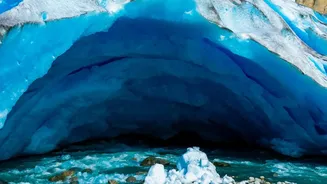
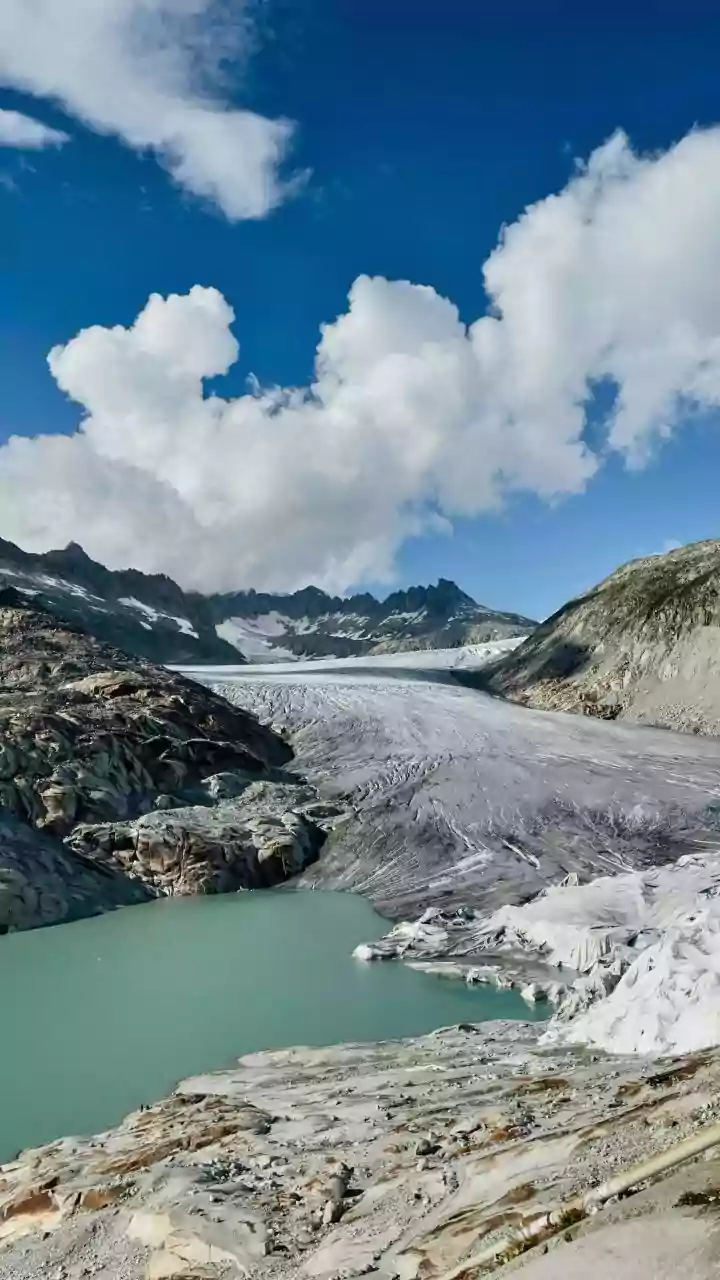
As glaciers melt at an accelerated pace—losing mass equivalent to over half a meter of thinning each year—the runoff doesn't just disappear. It often pools to form new and expanding glacial lakes, which are frequently dammed by unstable walls of rock and debris known as moraines. The International Centre for Integrated Mountain Development (ICIMOD) has identified dozens of these potentially dangerous glacial lakes across Nepal and the wider region that are at risk of bursting. The rapid melt increases the volume of water in these lakes, adding immense pressure to their fragile natural dams and setting the stage for a Glacial Lake Outburst Flood, or GLOF.
Anatomy of a Catastrophe
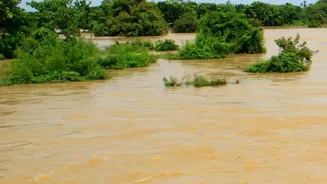
The August 2026 disaster in Nepal was a textbook example of these processes colliding. Scientists believe an enormous mass of rock and glacier ice, weakened by long-term warming and thawing permafrost, broke off the Langtang Lirung mountain. This avalanche, containing millions of cubic meters of material, slammed into the valley below with a force that registered as a seismic event. The impact created a torrent of water, ice, and sediment that raced downstream at speeds over 170 kilometers per hour, wiping out communities. This type of event, where multiple climate-linked factors compound—thinning glaciers, thawing permafrost, and sometimes extreme rainfall—creates hazards on a scale that local communities are ill-equipped to handle.
The Devastating Human Cost
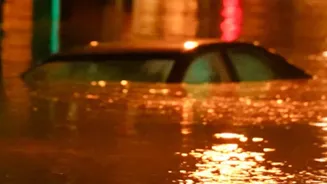
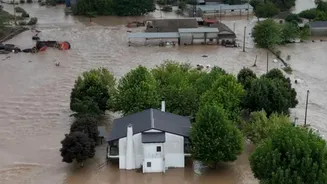
The scientific explanation translates into staggering human tragedy. The recent floods claimed over 1,300 lives, with thousands more remaining missing. Beyond the immediate loss of life, the disaster destroyed entire towns, bridges, farms, and critical infrastructure like hydropower plants, causing billions of dollars in damage. This represents a significant blow to Nepal's economy. For the nearly two billion people across Asia who depend on the great river systems fed by these Himalayan glaciers, these events are a grim preview of the water security challenges that lie ahead as the region's 'water towers' become increasingly unpredictable.
A Warning for the Entire Region
While this disaster unfolded in Nepal, its implications are a stark warning for the entire Hindu Kush Himalayan region, including India, Pakistan, and China. The glaciers feed ten of Asia’s most important river systems, including the Indus, Ganges, and Brahmaputra. The increasing frequency and intensity of GLOFs and other climate-related hazards threaten regional stability, energy infrastructure, and food security. As one scientist noted, these events are signs of “fundamental, irreversible shifts in Himalayan mountain environments.” This is not a localized problem but a continental crisis unfolding in real-time, driven by global emissions.