





The Social Media Mirage
The digital world loves a challenge. These short-term, high-intensity sprints promise rapid results and are perfectly packaged for viral sharing. Recently, the Mediterranean diet has been pulled into this vortex. Influencers post colourful bowls and promise a total
health transformation in just one week. However, this portrayal often misses the point entirely. A 2021 analysis of TikTok videos using the #mediterraneandiet hashtag found that while most were health-related, less than 9% actually defined the diet correctly. Many posts promoted foods like red meat and refined carbohydrates that are not central to the eating pattern, creating a disconnect between the authentic lifestyle and cultural caricatures. This trend-driven approach reduces a rich, evidence-based lifestyle into a restrictive fad, setting people up for confusion and disappointment rather than sustainable health.
What the Mediterranean Diet Actually Is
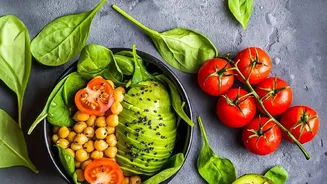
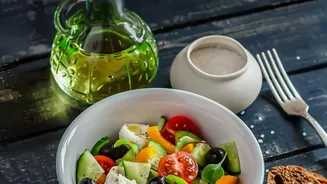
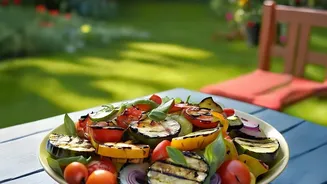
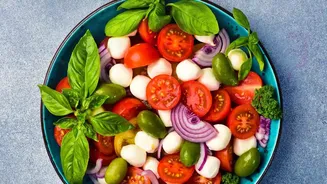
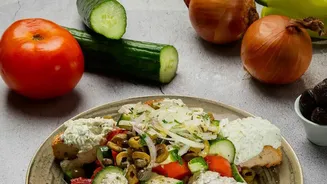
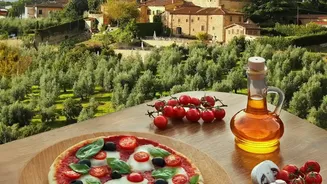
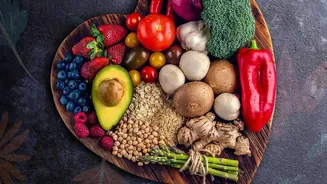
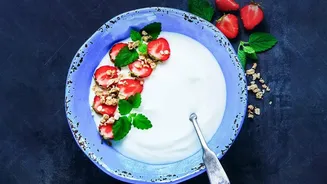
Forget calorie counting and forbidden food lists; the Mediterranean diet is not a rigid plan but a flexible eating pattern. It’s inspired by the traditional foods of countries like Greece and Italy from the mid-20th century. The foundation is built on minimally processed, plant-based foods. This means meals are rich in vegetables, fruits, whole grains, legumes, and nuts. The primary source of fat is extra virgin olive oil, a cornerstone of this eating style. Protein comes mainly from fish and poultry, which are consumed in moderation weekly, while dairy products like cheese and yogurt are enjoyed in smaller portions. Red meat is not forbidden, but it’s treated as an occasional food rather than the centrepiece of a meal.
It’s a Lifestyle, Not Just a Food List
Perhaps the biggest misconception is that the Mediterranean way of life is only about what’s on your plate. In reality, the food is just one pillar. The true lifestyle also emphasizes regular physical activity, not necessarily in a gym, but through daily movements like walking. Another crucial, and often overlooked, component is conviviality—the practice of sharing meals with others. This social aspect of eating fosters connection and mindfulness, turning meals into a time for community and relaxation rather than a hurried refuelling session. Studies have shown that this social support network may even increase adherence to the diet. Adequate rest and sleep are also considered integral parts of the framework, creating a holistic approach to well-being.
The Power of Playing the Long Game
The significant health benefits associated with the Mediterranean diet aren't achieved in seven days. They are the result of long-term adherence. Decades of research have linked this eating pattern to a lower risk of heart disease, stroke, type 2 diabetes, and certain cancers. Studies show it can help lower high blood pressure and cholesterol, reduce chronic inflammation, and even support brain health by lowering the risk of cognitive decline. These profound benefits stem from the consistent intake of nutrient-dense, anti-inflammatory foods over months and years. A short-term diet challenge might offer a glimpse, but only a sustained commitment unlocks the full, life-extending potential of this way of eating.
Embracing the Mindset, Not the Challenge
Adopting a Mediterranean lifestyle doesn’t require a dramatic overhaul. It’s about making small, sustainable swaps. Start by adding an extra serving of vegetables to your dinner. Switch from butter to olive oil for cooking. Try replacing one or two red meat meals per week with fish or legumes. Instead of focusing on restriction, focus on addition—adding more whole foods, more flavour from herbs and spices, and more movement into your day. Find joy in cooking from scratch and, whenever possible, share your meals with family or friends. Think of it not as being “on a diet” but as gradually shifting toward a more enjoyable and nourishing way of living that has been proven to work for centuries.