


The Atlantic's Powerful Pull
Unlike the calmer Mediterranean, Portugal's entire coast is shaped by the Atlantic Ocean. This means significant tidal changes, strong currents, and unpredictable waves that can transform a beach in a matter of hours. A wide, sandy paradise at 10 AM can become
a narrow strip of sand or completely disappear under the waves by mid-afternoon. This dynamic nature is what creates the dramatic cliffs and stunning rock formations, but it's also what requires respect and planning. The difference between high and low tide, especially during spring tides, can be over three meters in some northern regions, dramatically altering the landscape. For anyone dreaming of exploring sea caves or walking to an adjacent cove, ignoring the tide isn't just an inconvenience—it can be dangerous.
Understanding Tidal Rhythms
On most of the Portuguese coast, there are two high tides and two low tides roughly every 24 hours. This means the schedule shifts forward by about 50 minutes each day. The most critical factor is the tidal range—the difference in height between high and low tide. This changes throughout the month based on the moon's phases. Spring tides (around the new and full moon) have the highest highs and lowest lows, making them ideal for exploring tide pools but also the most dangerous for getting cut off. Checking the tide is simple. The official source is Portugal's Instituto Hidrográfico, but numerous apps and websites provide easy-to-read charts for specific beaches. Before you even pack your bag, look up the tide times for the nearest port or beach and plan your exploration for the hours around low tide.
The Hidden Cove Hazard
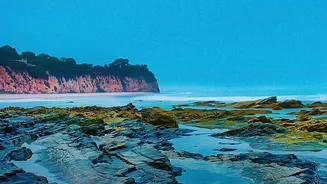
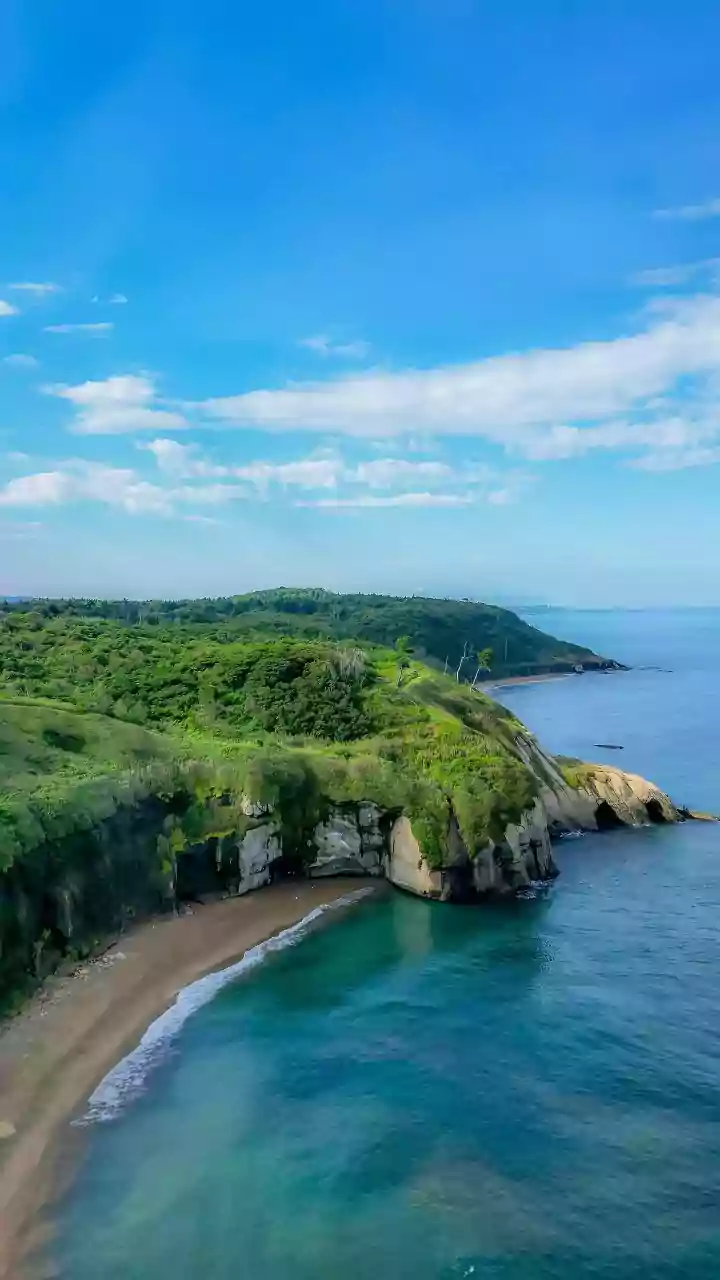
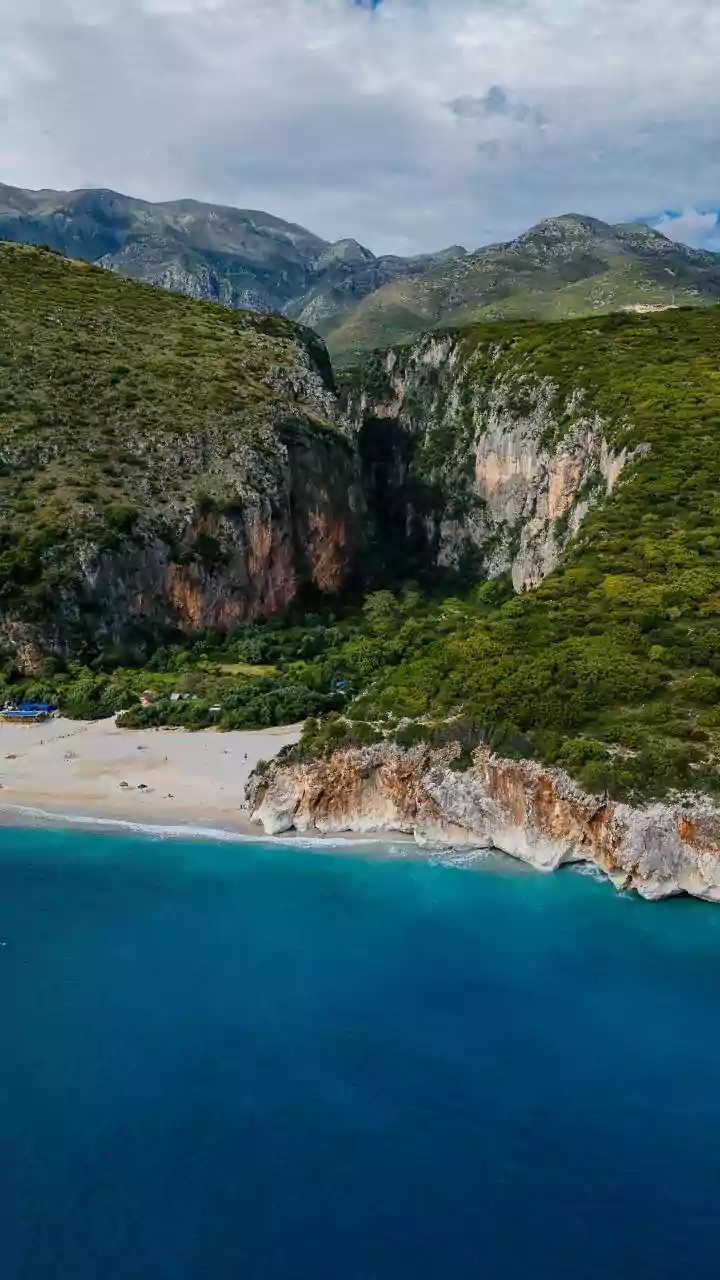
Many of the Algarve's most enchanting 'secret' beaches are small coves nestled between golden cliffs, like Praia do Paraíso or Praia do Carvalho. Access is often via steep staircases or even tunnels carved through the rock. At low tide, these spots are idyllic, offering protected sands and clear water. However, the biggest risk on the Portuguese coast is not necessarily drowning in deep water, but getting trapped by a rapidly rising tide. Tourists exploring these coves or walking around a headland at low tide can lose track of time, only to find their exit route submerged by the incoming water. Every year, emergency services rescue people who find themselves cut off, with the sea on one side and an impassable cliff on the other. Always know the time of high tide and give yourself a generous window to return.
Beyond Tides: Spotting Rip Currents
While tides are predictable, other sea conditions are not. Rip currents, known locally as 'agueiros', are responsible for the majority of drownings on Portuguese beaches. These are powerful, narrow channels of water that pull swimmers away from the shore with surprising speed. They can occur even on days that look calm. Signs of a rip current include a channel of choppy or different-coloured water, a break in the pattern of incoming waves, or debris and foam moving steadily out to sea. If you are caught in one, the most important rule is not to panic or swim against it. This will exhaust you. Instead, swim parallel to the shore until you are out of the current's pull, and then head back to land.
Your Pre-Beach Safety Checklist
A little preparation ensures a perfect beach day. Before heading to a quiet or unpatrolled beach, run through this simple checklist: 1. Check the Tide Chart: Know the times for high and low tide for that specific day and location. Plan explorations for a falling tide or low tide. 2. Read the Sea Forecast: Look at the swell height and wave period. On days with large swells, even low tide can be dangerous near rocks and cliffs. 3. Swim at Guarded Beaches When Possible: Whenever you can, choose a beach with lifeguard supervision, indicated by the red-and-yellow striped flags that mark the safe swimming zone. 4. Know the Flags: Green means safe for swimming, yellow means swim with caution, and red means swimming is forbidden. A checkered flag means no lifeguard is on duty. 5. Tell Someone Your Plan: If you're heading to a remote cove, let someone know where you're going and when you plan to be back. 6. Never Turn Your Back on the Ocean: Rogue waves can appear without warning, especially on the more exposed Atlantic coast.