







The Blessing in the Envelope
It’s a scene played out in countless households: a grandchild visiting a grandparent, a guest at a wedding, or a family celebrating a new birth. An envelope is discreetly passed, often containing money. This is ‘shagun’, a word rooted in Sanskrit that
means ‘good omen’. It is not payment or a mere gift, but a tangible form of blessing and goodwill. The amount is often secondary to the intention, which is to wish the receiver prosperity and protection. This is why the amounts often end in one, such as ₹101 or ₹501. The extra rupee signifies continuity and a new beginning, ensuring the blessings are indivisible and the relationship continues to grow. It’s a declaration that says, “I am part of your story,” creating a bond of mutual support that can span generations.
A Language Spoken Through Food
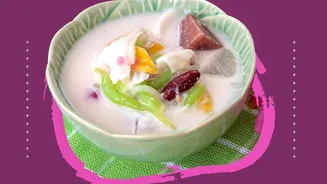
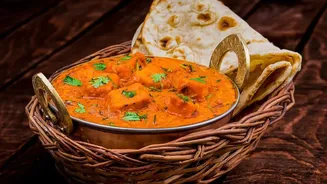
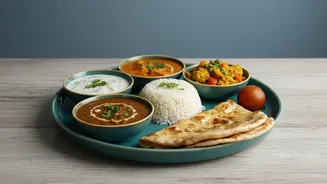
Beyond monetary gifts, food is perhaps the most powerful and intimate language of affection in India. A mother who, after an argument, quietly announces, “Food is ready,” is not just stating a fact; she is extending a peace offering and reaffirming her care. Feeding someone is a primal act of nurturing. Whether it’s a parent packing a lunchbox, a friend arriving with a favourite snack during a stressful time, or neighbours exchanging sweets during festivals, food becomes a vessel for emotion. It is a way of saying, “I thought of you” without needing words. This emotional connection makes food more than sustenance; it is a source of comfort, joy, and togetherness that binds families and communities.
A Bridge Between Generations
These gestures serve as a vital bridge between generations. For many elders, physical acts of affection like hugging or verbal declarations of love may not come as naturally. Instead, touching a young person’s feet to receive their blessings or receiving shagun becomes a structured, understood way to exchange respect and love. The physical act of an elder placing a hand on a younger person's head is a direct transfer of blessings. These rituals allow different generations to communicate in a shared cultural language, reinforcing family ties and ensuring that traditions of care are passed down. The gesture becomes a memory, a feeling of being loved and seen that lingers long after the moment has passed.
Tradition in a Digital World
In an era of UPI and instant digital transfers, one might expect these physical gestures to fade. Yet, they persist, often adapting to the times. While the crisp banknote in an envelope still holds a special place, digital gifting is also becoming a new language of appreciation. The medium may change, with e-vouchers or QR code scans at weddings becoming more common, but the sentiment behind the gift remains. This blend of old and new shows that the core value is not in the physical cash itself, but in the act of giving. The gesture's resilience lies in its ability to convey deep-seated cultural values of community, mutual support, and auspiciousness, even as the wrapping paper gives way to a digital notification.