




In the vast expanse of our Milky Way, a newly spotted bright cloud may be one of the youngest cosmic structures ever seen. A preliminary, non-peer-reviewed study suggests it could be less than 1,000 years old, a mere infant in galactic terms.
A Mysterious Glow in Our Galaxy
A team of
researchers from the Chinese Academy of Sciences and the University of Notre Dame in the US have identified a small, bright cloud of high-energy light. According to their preliminary paper, posted on the pre-print server arXiv, this glow is believed to be a remnant of a cosmic event that occurred less than a millennium ago. The cloud is notable for its brightness and compact size, which are considered tell-tale signs of a young object in astronomical terms. While our galaxy, the Milky Way, is estimated to be over 13 billion years old, finding an object this young offers a unique opportunity for study. This potential discovery provides a fresh puzzle for astronomers who meticulously map our galactic neighbourhood.
The Violent Birth of a 'Gold Factory'
The study proposes a dramatic origin for this glowing cloud: the collision of two neutron stars. These are the incredibly dense collapsed cores of massive stars, so dense that a tiny amount of their material would weigh a billion tonnes on Earth. When such stars, locked in orbit, finally smash into each other, the resulting explosion is catastrophic. This type of event, known as a kilonova, is believed to be responsible for creating many of the universe's heaviest elements, including gold, platinum, and uranium, earning it the nickname 'gold factory'. The researchers suggest that the energy from such a blast would have been immense, briefly shining as brightly as a planet in our night sky before collapsing into a black hole. The lingering glow is the cloud that astronomers are now studying.
An Event Hidden in Plain Sight?
One of the most intriguing aspects of this discovery is that an event so bright seems to have gone unrecorded in human history. Ancient astronomers, particularly in China during the Song dynasty, kept meticulous records of the night sky and famously documented a 'guest star' in 1054, which we now know as the Crab Nebula supernova. However, there are no known records of this more recent event. The researchers offer a plausible explanation: the event's location in the sky. It was likely situated so far south in the celestial sphere that it would have been difficult or impossible to see from China, Europe, and other northern hemisphere locations where most historical astronomical records were kept. Furthermore, the initial flash of light from the collision would have been very brief, likely fading within days, making it easy to miss.
Cosmic Nurseries and Star Formation
Discoveries of young objects like this are crucial for understanding star formation. Stars are born from vast, cold, dense clouds of gas and dust called molecular clouds. Gravity causes these clouds to collapse, forming dense cores that heat up and eventually ignite as stars. This process is incredibly difficult to observe because it happens within opaque cocoons of dust. Finding a structure that is potentially under 1,000 years old would provide an unparalleled glimpse into the raw materials and initial conditions right after a major cosmic event. It helps scientists test theories about how elements are distributed through the galaxy and how this material gets recycled into new generations of stars and planets.
Preliminary Findings and What Comes Next
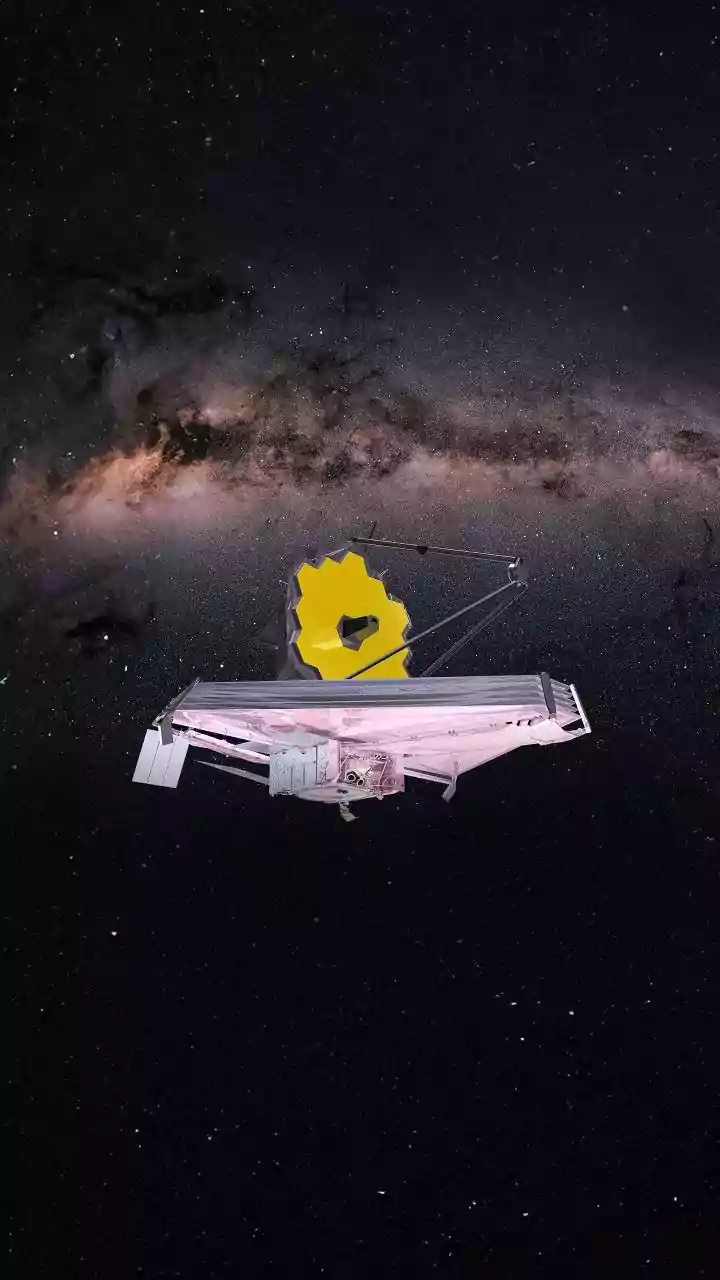
It is crucial to remember that these findings are preliminary. The study was posted to a pre-print server, which means it has not yet undergone the rigorous peer-review process where other experts in the field scrutinise the methods and conclusions. The next steps will involve further observations of the cloud using different telescopes, potentially including powerful infrared observatories like the James Webb Space Telescope, to analyse its composition and dynamics in greater detail. Other astronomers will attempt to replicate the findings and either confirm or challenge the team's hypothesis. This process of verification is fundamental to science and ensures that our understanding of the cosmos is built on solid evidence. For now, this bright cloud represents a tantalising new mystery in our own galactic backyard.